Hunteria congolana
Pichon
wikimedia· cc-by-sa
Vinayaraj (via Wikimedia Commons)
Summary
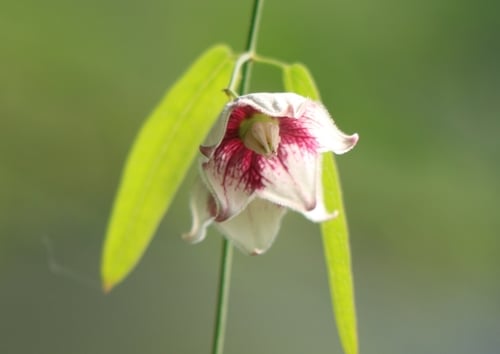
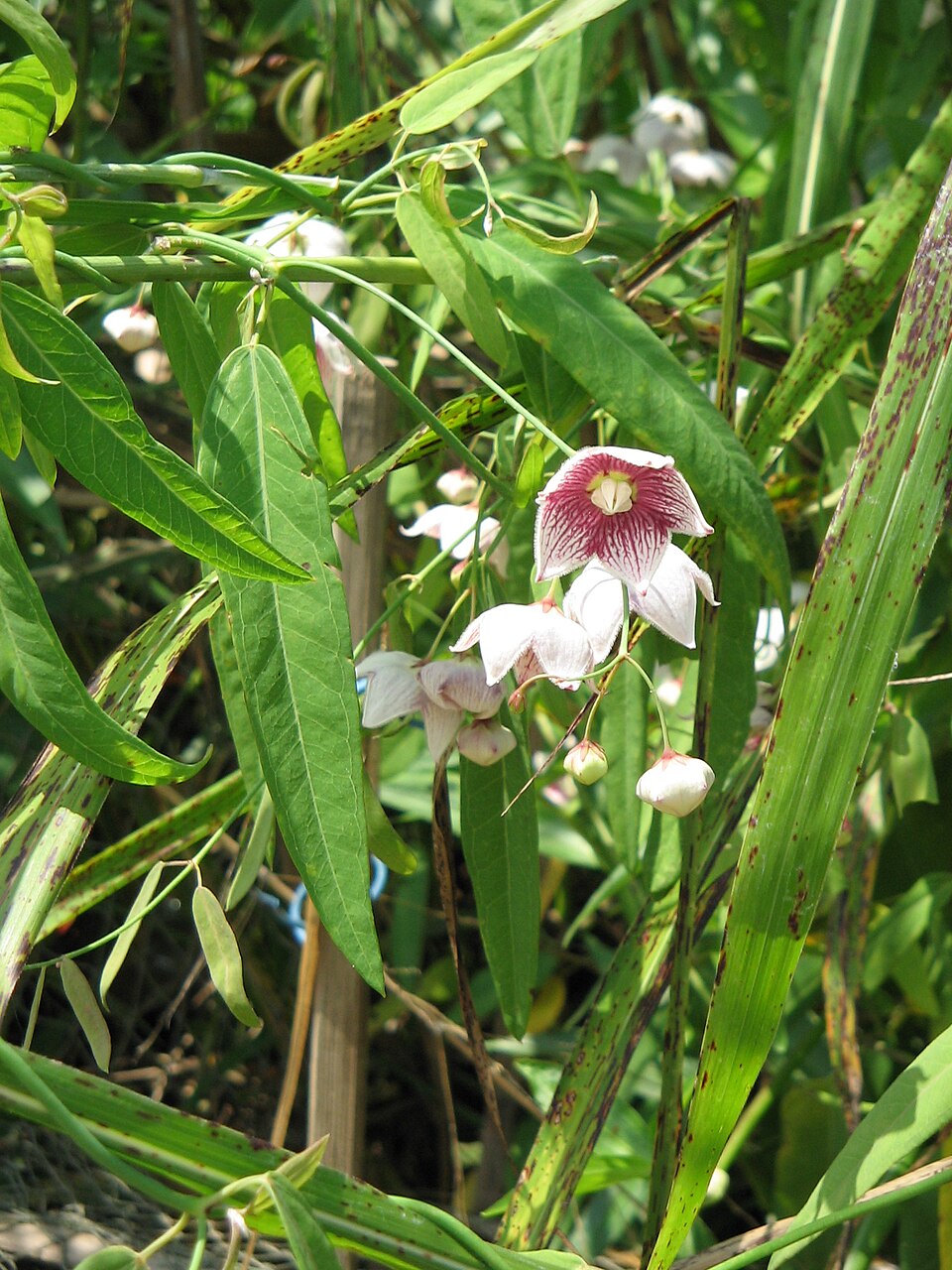
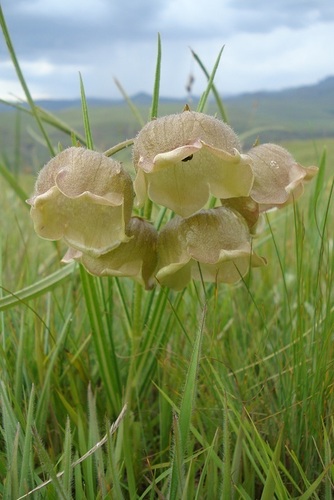
Source: WikipediaHunteria congolana grows as either a shrub or a tree up to 20 metres (66 ft) tall, with a trunk diameter of up to 30 centimetres (12 in). Its flowers feature a white or yellow corolla, turning pink when in bud. Fruit is yellow to bright orange. Habitat is primary forest from 500 metres (1,600 ft) to 1,700 metres (5,600 ft) altitude. Local medicinal uses include for fever, diarrhoea and as an anthelmintic. H. congolana has been used as arrow poison. The plant is native to Democratic Republic of Congo and Kenya.
Description
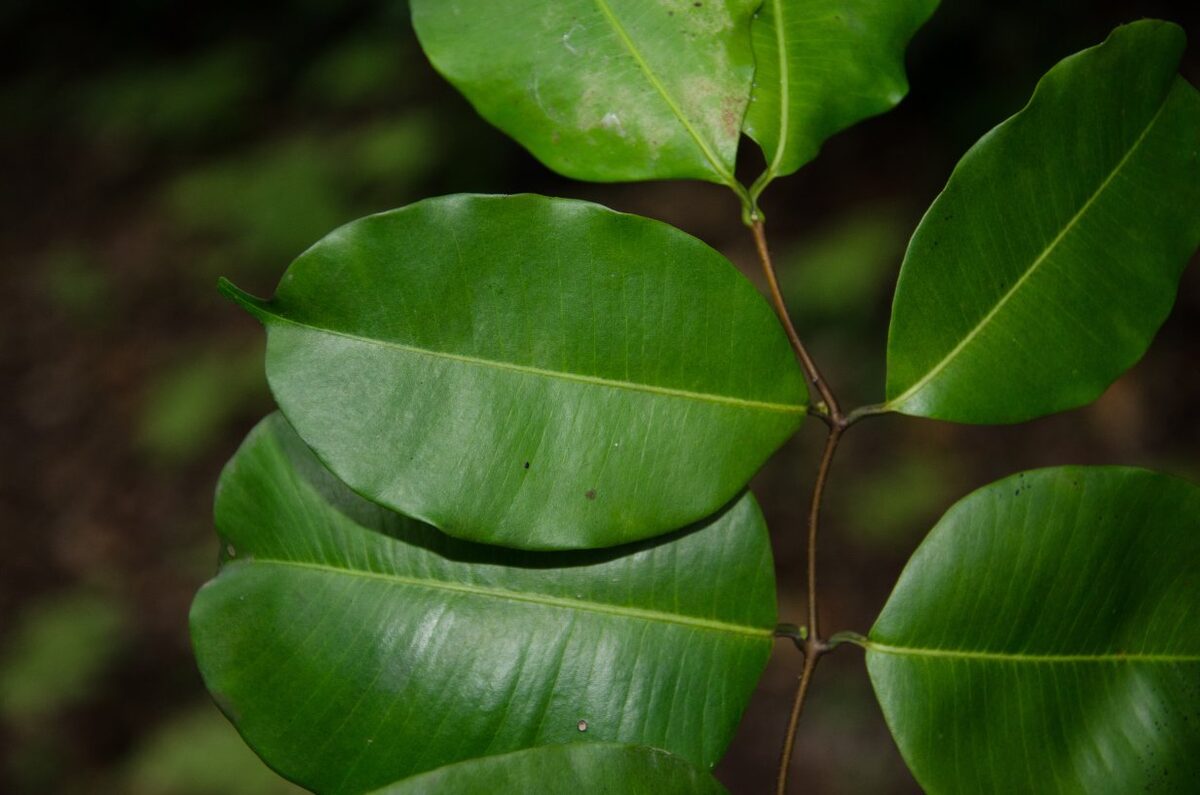
A woody climber. The leaves are opposite and narrowly oval. They are 13 cm long by 5 cm wide.
This description is brief — help expand it
Edible Uses
The fruit is eaten.
Medicinal Uses
A decoction or infusion of the bark is taken as an anthelmintic and to treat fever, stomach-ache and diarrhoea. The seeds are taken as an anthelmintic and to treat fever, stomach-ache and diarrhoea. Some 23 indole alkaloids have been isolated from the plant. Eburnamonine (synonyms: vinburnine, vincamone) from the roots, plus akuammicine and pseudoakuammigine from the seeds, have an effect on the vasomotor and respiratory centres of the brain. In tests, oral application gave an increased tonus, increased blood pressure and in some cases strong muscular contractions and even death. Low doses may result in an increase of arterial blood pressure. These activities are comparable to those of strychnine. Pseudoakuammigine is an indirect, reversible and competitive parasympathomimetic.
Known Hazards
A root decoction, mixed with parts of other plant species, is used to make arrow poison.
Distribution
It is a tropical plant. It grows in the forest.
Where It Grows
Africa, Central Africa, Congo DR,
Cultivation
The plant can flower and produce fruit all year round.
Other Uses
All parts of the plant contain a milky to yellow latex. No uses are mentioned. The yellow wood is hard. No uses are mentioned.
Also Known As
Banyaluende, Bokokota, Magu, Neiroco, Nekidoco, Nyaleunde
References (1)
- Terashima, H., et al, 1991, Ethnobotany of the Lega in the tropical rainforest of eastern Zaire: part 1, Zone de Mwenga. African Study Monographs. Suppl. 15:1-61