Combretum nigricans
Lepr. ex Guill. & Perr.
iNaturalist· cc-by-nc
(c) ONG OeBenin, some rights reserved (CC BY-NC), uploaded by ONG OeBenin
iNaturalist· cc-by-nc
(c) iles-ecologiques, some rights reserved (CC BY-NC), uploaded by iles-ecologiques
iNaturalist· cc-by-nc
(c) Sylvain Piry, some rights reserved (CC BY-NC), uploaded by Sylvain Piry
Description
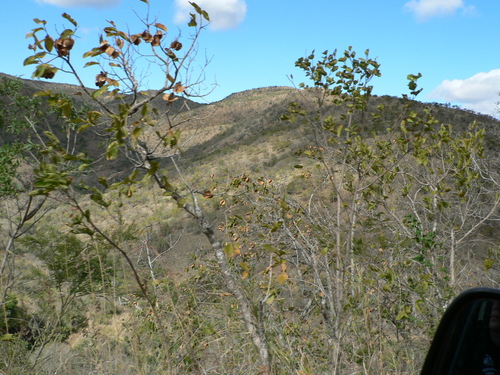
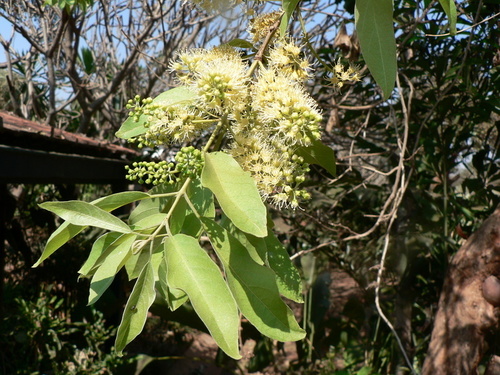
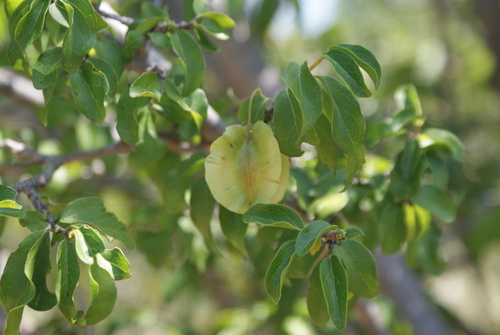
A shrub or small tree. It grows 4-12 m tall. The crown is rounded. The bark is smooth and the trunk is twisted.
This description is brief — help expand it
Edible Uses
An edible gum is obtained from the stems. It can be used in the same ways as gum arabic. Gum arabic is used as an emulsifier, stabilizer and flavour fixative. The leaves are used to prepare a commonly used tea.
Medicinal Uses
The leaves and other plant parts are widely used in local medicine to treat various illnesses, e.g. intestinal disorders including diarrhoea, insanity, headaches, colic, jaundice, and rheumatism.
Distribution
It is a tropical plant. It grows in savannah and dry forests.
Where It Grows
Africa, Benin, Burkina Faso, Gambia, Ghana, Guinea-Bissau, Mali, Nigeria, Niger, Sahel, Senegal, Togo, West Africa,
Cultivation
Plants are grown from seeds. It is best to pre-soak the seeds before planting.
Propagation
Seed - pre-soaking water for 24 hours improves germination. Removing the covering structures before placing the seeds under the germination conditions can also improve germination rate. Extraction is done by manually pulling apart opposite wings of the fruit. Dried seed stores well. More than 92% germination rates have been achieved with seeds that were dried to 5% moisture content and stored for 5 years at 4°C.
Other Uses
A gum is obtained from the stems. It has good adhesive properties. Tannins are obtained from the plant. An ink can be made from the plant. (Probably from the tannins or the gum.) The yellow wood is hard and relatively durable; it is used for tool handles, fencing poles, roofs and pestles. The wood makes a good quality firewood and charcoal.
Also Known As
Nintinhoun
References (1)
- Bonou, A., et al, 2013, Valeur economique des Produits Forestiers Non Ligneux (PFNL) au Benin. Editions Universitaires Europeennes p 95