Pimelea villosa subsp. arenaria
(A. Cunn.) C. J. Burrows
Autetaranga, Native sand daphne
iNaturalist· cc-by-nc
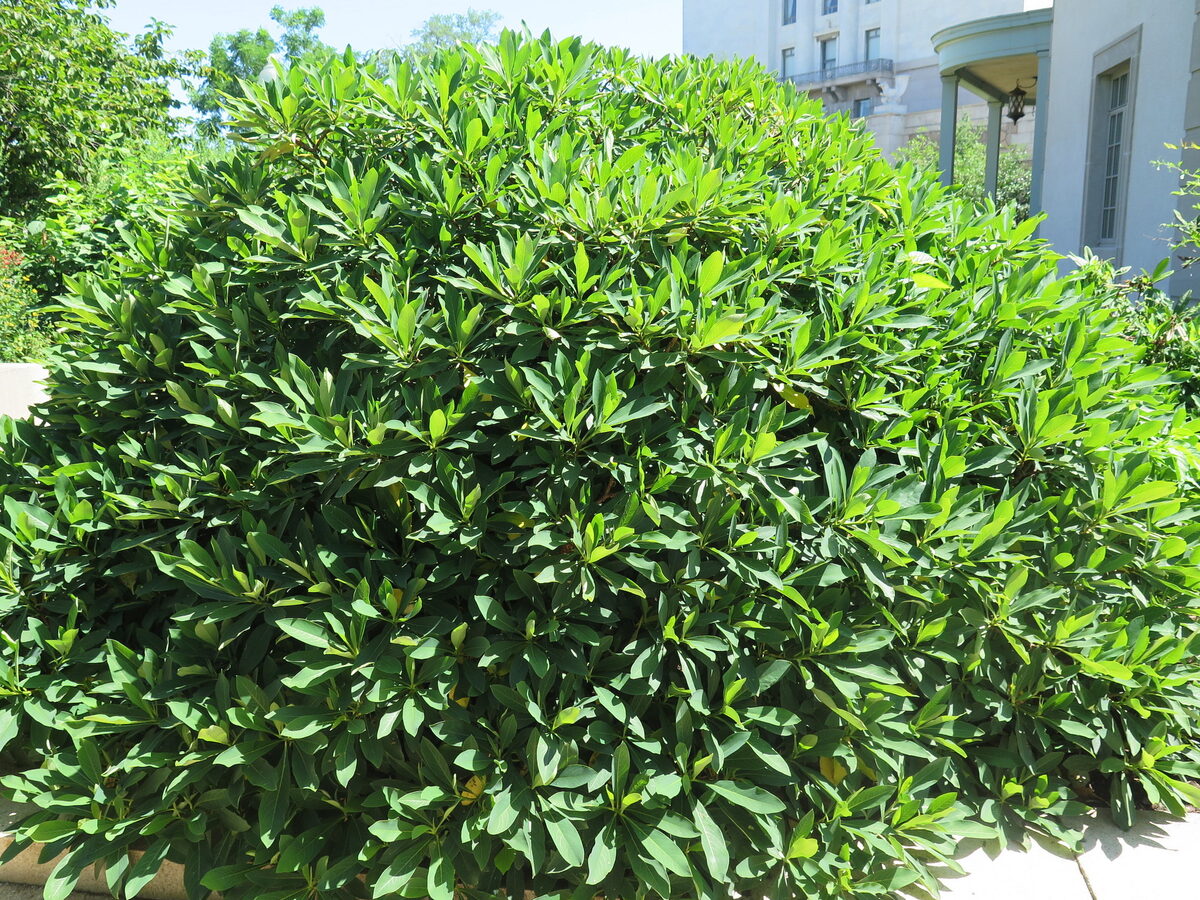
(c) matt-walters, some rights reserved (CC BY-NC), uploaded by matt-walters
iNaturalist· cc-by
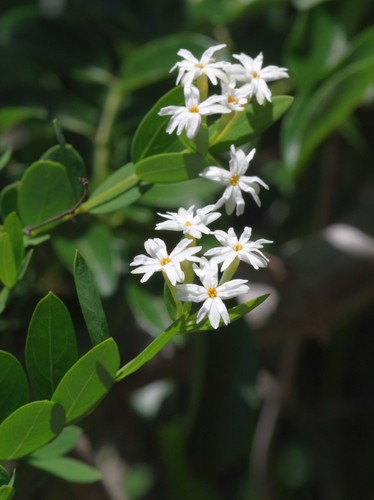
(c) Arnim Littek, some rights reserved (CC BY), uploaded by Arnim Littek
iNaturalist· cc-by-nc-nd
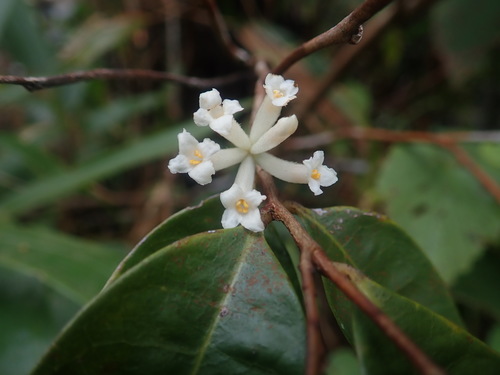
(c) Melissa Hutchison, some rights reserved (CC BY-NC-ND), uploaded by Melissa Hutchison
Summary
Source: WikipediaPimelea villosa, also known as Pimelea arenaria, or sand daphne is a species of shrub in the family Thymelaeaceae, known in Māori as autetaranga or autetauranga. It is endemic to New Zealand. Its conservation status puts it at risk and declining, as determined by the New Zealand Threat Classification System (NZTCS). The bark of the tree was occasionally used as traditional textiles such as ribbons or ear ornaments, however was not as commonly used as the paper mulberry (aute) or Hoheria populnea (houhere).
Description
A shrub. The stems are flexible and can lie along the ground. The stems and leaves have white hairs.
This description is brief — help expand it
Edible Uses
The fruit is edible.
Traditional Uses
Caution:
This uses section is brief — help expand it
Known Hazards
Caution advised.
Distribution
It is a temperate plant.
Synonyms
References (1)
- Crowe, A., 1997, A Field Guide to the Native Edible Plants of New Zealand. Penguin. p 43 (As Pimelea arenaria)