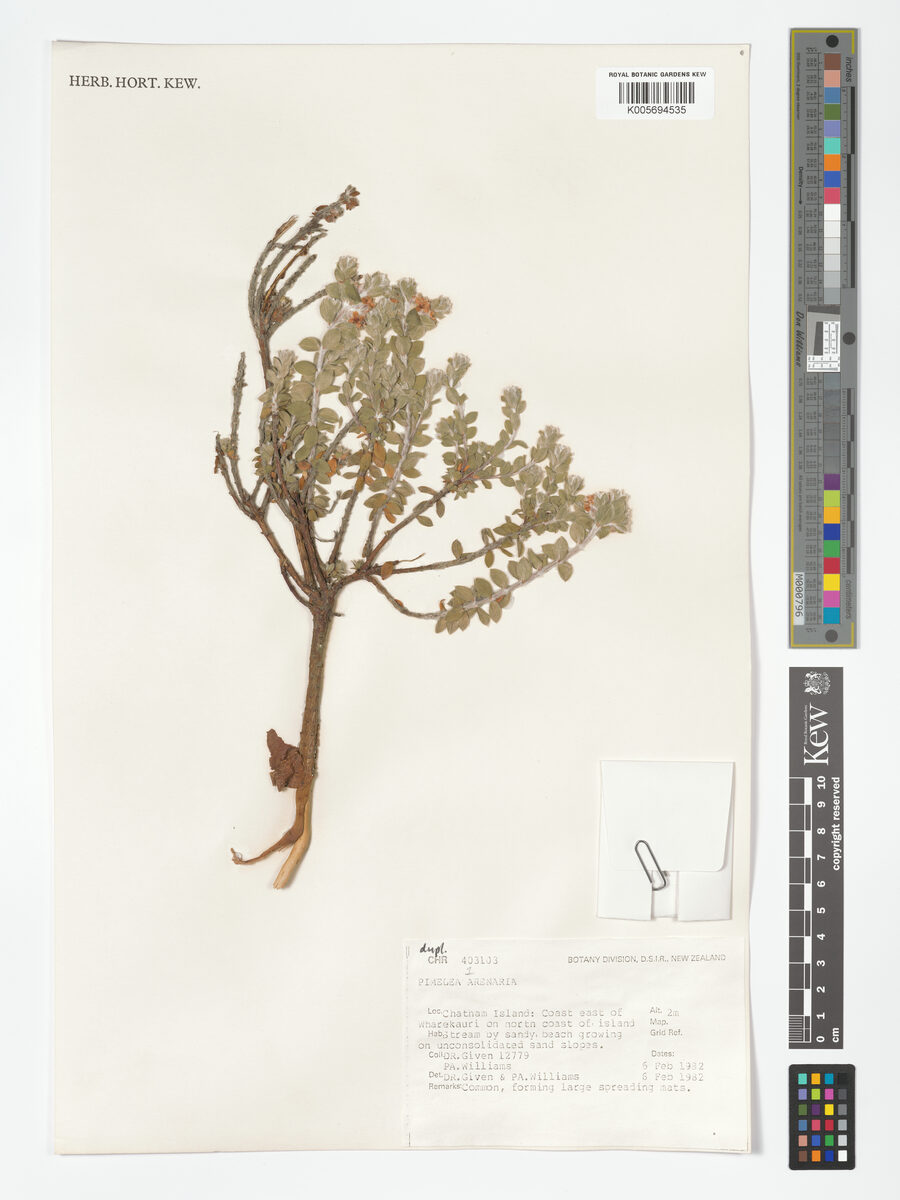
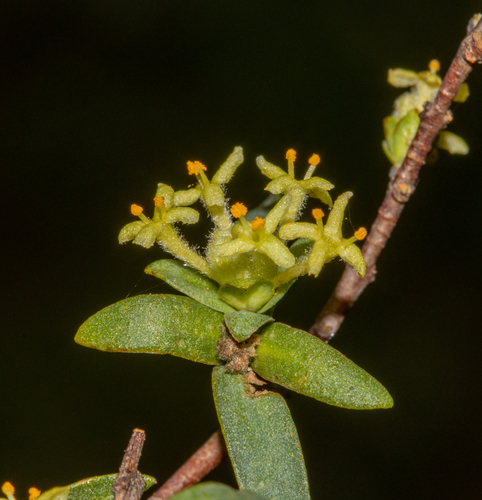
Synaptolepis alternifolia
Oliv.
iNaturalist· cc-by-nc
(c) Mark Hyde, Bart Wursten and Petra Ballings, some rights reserved (CC BY-NC)
iNaturalist· cc-by-nc
(c) Mark Hyde, Bart Wursten and Petra Ballings, some rights reserved (CC BY-NC)
iNaturalist· cc-by-nc
(c) Mark Hyde, Bart Wursten and Petra Ballings, some rights reserved (CC BY-NC)
Description
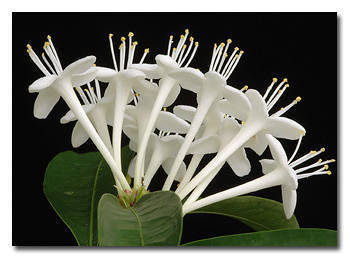
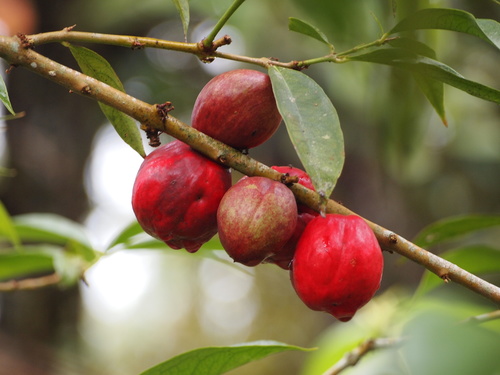
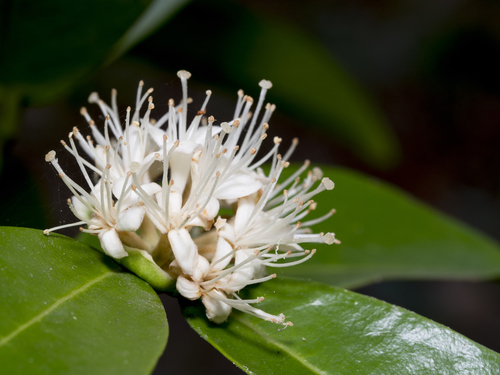
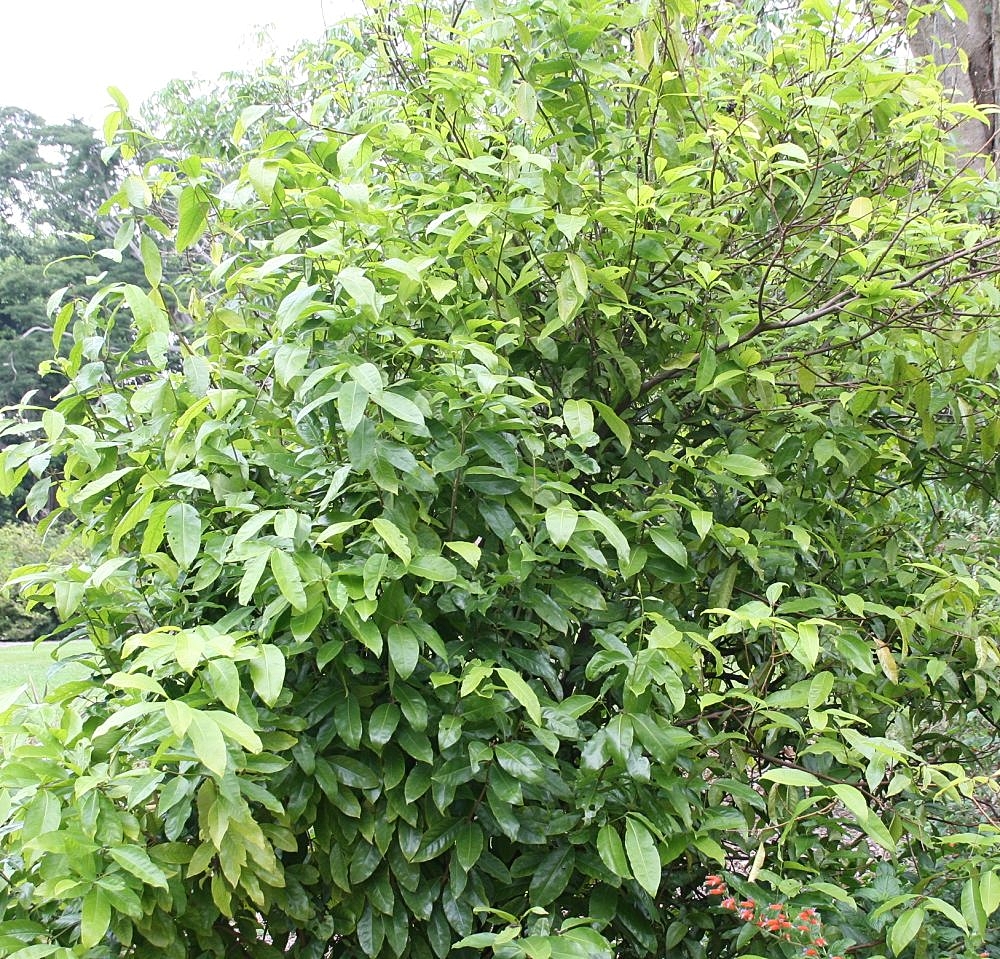
A shrub or woody climber. it can be 10 m tall. The branches are slender and without hairs. The bark is red-brown. The leaves can be alternate or opposite. They are narrow and oval. The leaves are 4.5 cm long. The tip is pointed and the base narrows to the stalk. The flowers are white or pale yellow. They are in flower heads at the ends of the plant. The fruit are yellow to orange. They are oval and 1-2 cm long.
Edible Uses
The pulp of the ripe fruit is eaten raw as a snack; the seed is discarded. The fruit are especially eaten by children.
Traditional Uses
The pulp of the ripe fruit is eaten raw as a snack. The seed is discarded.
This uses section is brief — help expand it
Medicinal Uses
Roots are chewed and the juice swallowed as a remedy for stomach-ache and snakebite.
Distribution
It is a tropical plant. It grows both in the lowlands and the highlands. In Tanzania it grows between sea level to 1,100 m above sea level.
Where It Grows
Africa, East Africa, Kenya, Malawi, Mozambique, Tanzania, Zimbabwe,
Cultivation
Plants can be grown from seed.
Other Uses
The stems are used for constructing granaries and for withies in house construction.
Production
Fruit are collected during the rainy season.
Other Information
Fruit are especially eaten by children.
Synonyms
Also Known As
Kiga-nungu, Kukuttjula, Kwavi, Maktu, Mbibikiu, Namulatina, Nzukumbi
References (4)
- Grubben, G. J. H. and Denton, O. A. (eds), 2004, Plant Resources of Tropical Africa 2. Vegetables. PROTA, Wageningen, Netherlands. p 565
- http://www.fao.org/forestry/25323-096344a3de335832e8f363c3ac5184a66.pdf
- Ruffo, C. K., Birnie, A. & Tengnas, B., 2002, Edible Wild Plants of Tanzania. RELMA p 640
- World Checklist of Useful Plant Species 2020. Royal Botanic Gardens, Kew