Combretum latifolium
Blume
Large leaved climbing bushwillow
iNaturalist· cc-by-sa
(c) Vinayaraj, some rights reserved (CC BY-SA)
iNaturalist· cc-by-sa
(c) Vinayaraj, some rights reserved (CC BY-SA)
iNaturalist· cc-by-sa
(c) Forestowlet, some rights reserved (CC BY-SA)
Description
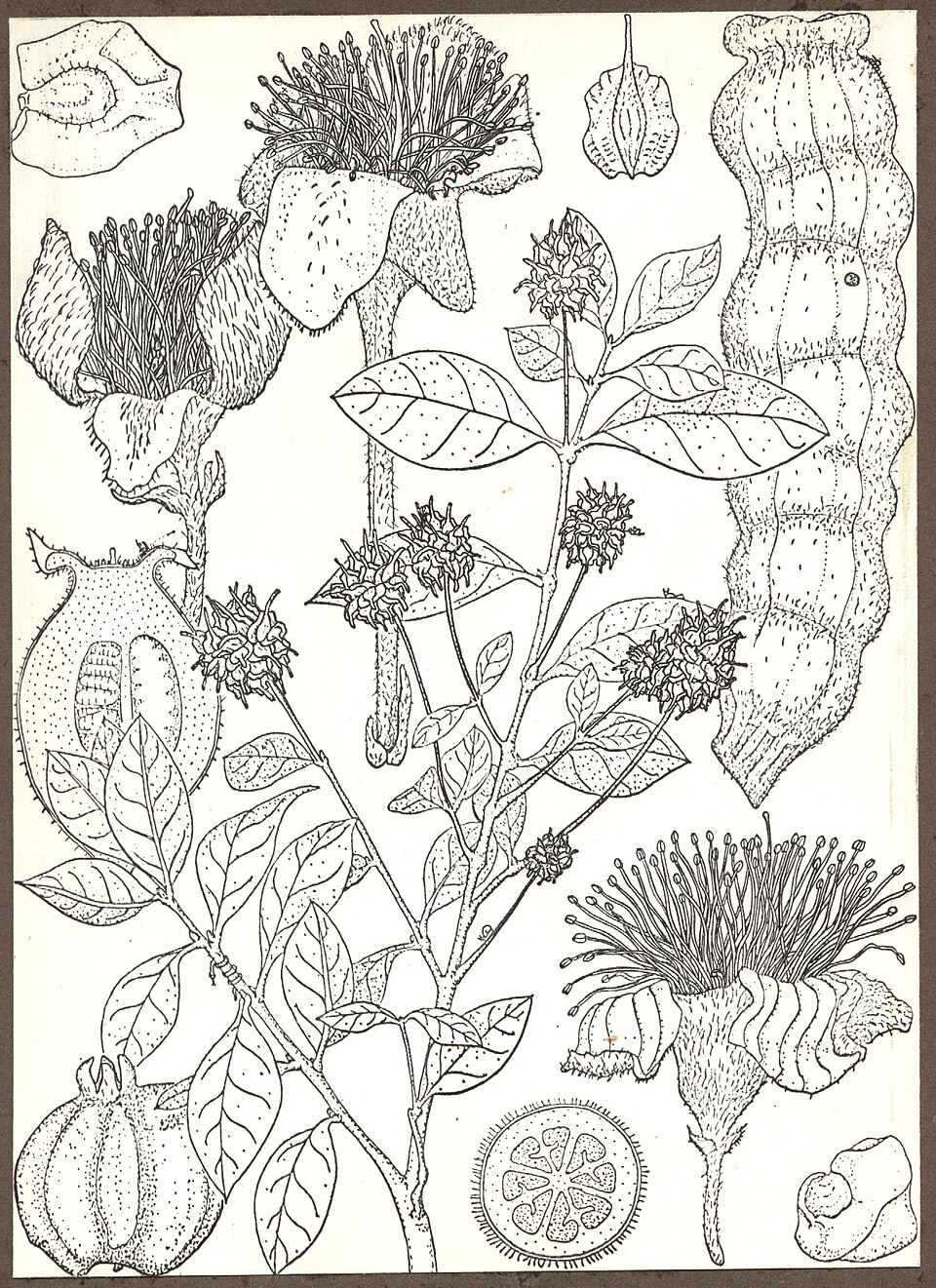
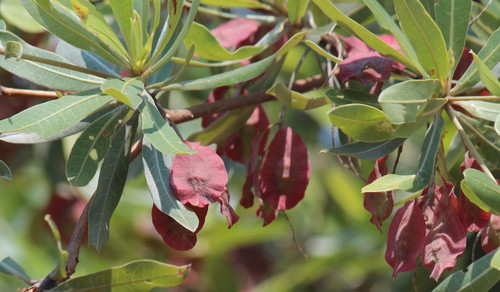
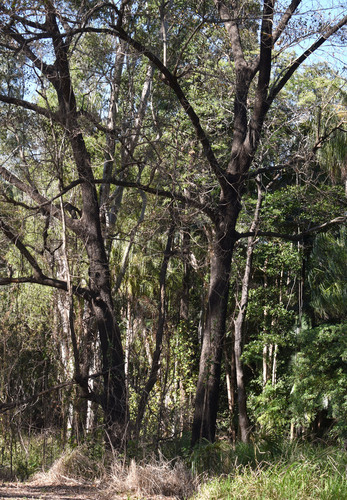
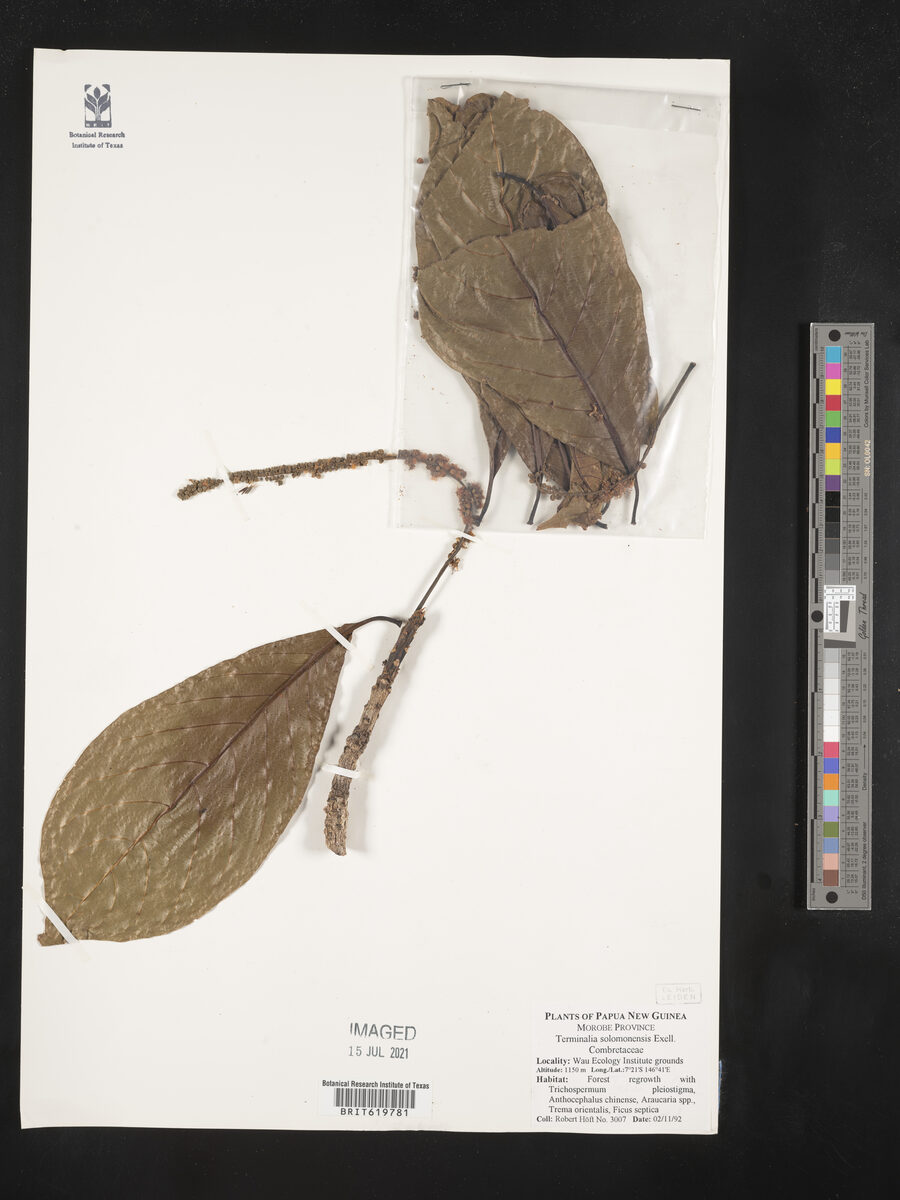
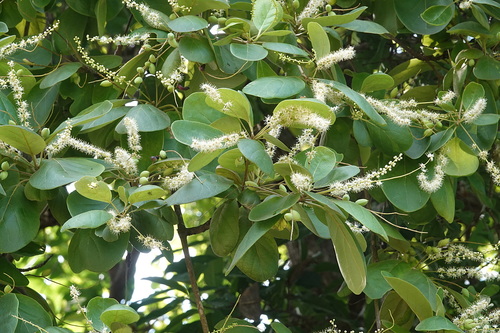
A vine or creeper. It can grow 30 m long. The small branches usually do not have hairs. The leaves are arranged opposite and have stalks 1-2.5 cm long. The leaves are oval and 7-20 cm long by 5-10 cm wide. The flowers are in spikes 6-10 cm long in the axils of leaves. The flowers have a scent.
Edible Uses
The leaves and fruit are likely edible, though the edible portion requires further confirmation.
Distribution
It is a tropical plant. It occurs in the Western Ghats in India.
Where It Grows
Africa, Andaman Islands, Asia, Bangladesh, Cambodia, China, Ghana, India, Indochina, Indonesia, Laos, Malaysia, Myanmar, New Guinea, Philippines, SE Asia, Sri Lanka, Thailand, Vietnam, West Africa,
Synonyms
Also Known As
Owhirem, Vor rormeat
References (4)
- Abbiw, D.K., 1990, Useful Plants of Ghana. West African uses of wild and cultivated plants. Intermediate Technology Publications and the Royal Botanic Gardens, Kew. p 42 (As Combretum platyphyllum)
- Martin, F.W. & Ruberte, R.M., 1979, Edible Leaves of the Tropics. Antillian College Press, Mayaguez, Puerto Rico. p 183 (As Combretum platyphyllum)
- Turreira Garcia, N., et al, 2017, Ethnobotanical knowledgeof the Kuy and Khmer people in Prey Lang, Cambodia. Cambodian Journal of Natural History 2017 (1): 76-101
- World Checklist of Useful Plant Species 2020. Royal Botanic Gardens, Kew