Durio lanceolatus
Mast.
iNaturalist· cc-by-nc-sa
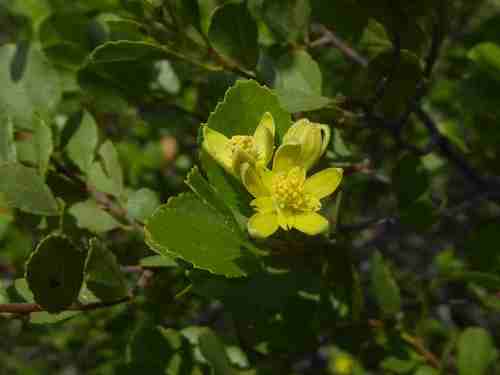
(c) Alponsin, some rights reserved (CC BY-NC-SA), uploaded by Alponsin
iNaturalist· cc-by-nc
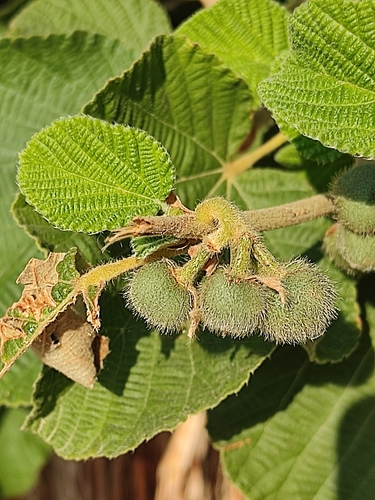
(c) Andre Ronaldo, some rights reserved (CC BY-NC)
wikimedia· cc0
Wikimedia Commons - Одоардо Беккари
Summary
Source: WikipediaDurio lanceolatus is a tree in the family Malvaceae. It grows up to 55 metres (180 ft) tall.
Description
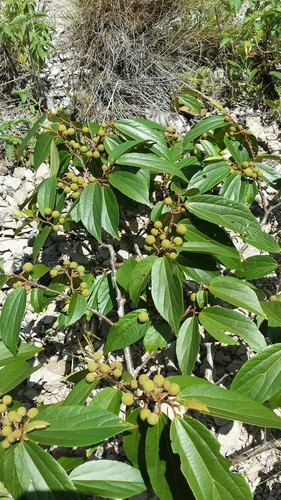
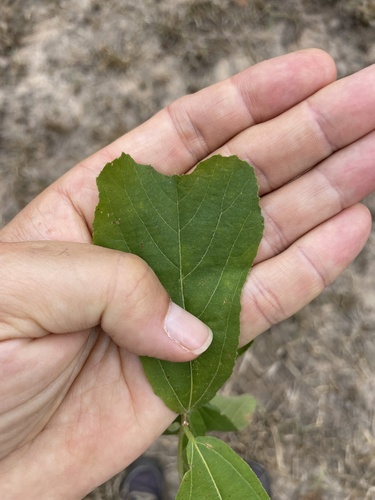
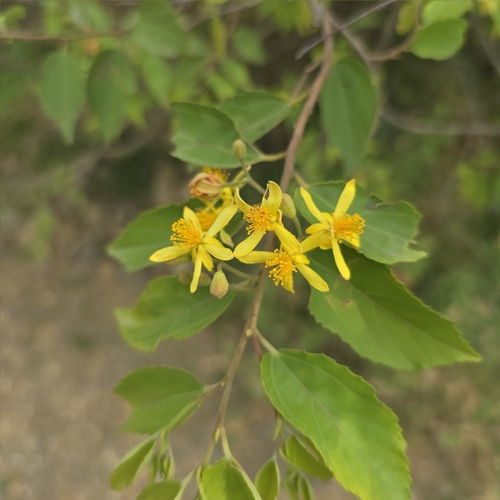
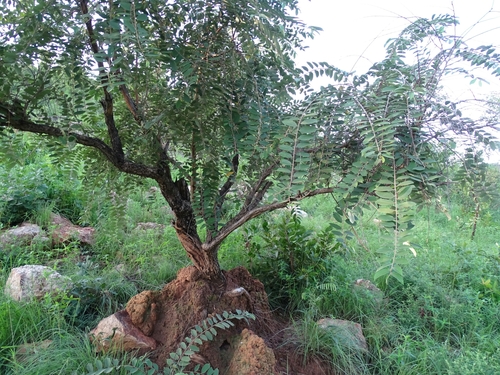
A tree. It grows 50 m tall. The trunk is straight and 80 cm across. It has buttresses 3 m tall. The bark is rough and deeply cracked. The leaves are sword shaped and 6-9 cm long by 1.5-3 cm wide. The lower surface is dull and covered with brown scales. The flowers are 3 cm long. There are many flowers in a group. The fruit is a dull yellow and 10 cm across. It usually has 5 valves. There are pyramid shaped spines 6 mm long. The seeds are shiny black. The aril is thin and red to yellow.
Edible Uses
Durio lanceolatus is a source of durian timber, used in construction and furniture. The fruit of this species is not considered edible.
Distribution
It is a tropical plant. It occurs in Sarawak. It grows on sandy soils.
Where It Grows
Asia, Indonesia, Malaysia, SE Asia,
Other Information
There is little flesh and it has little taste.
Also Known As
Durian anggang, Durian pelanduk
References (2)
- Chai, P.P.K., 2000, Development of the Lanjak Entimau Wild life sanctuary. Final report. ITTO and Sarawak Forestry. p 19
- Kebler, P. J. A., & Kidiyasa, 1994, Trees of the Balikpapan-Samarinda area of East Kalimantan, Indonesia. The Tropenbos Foundation, Wageningen, The Netherlands. p 61