Glochidion lanceolarium
(Roxb.) Voigt
iNaturalist· cc-by-nc
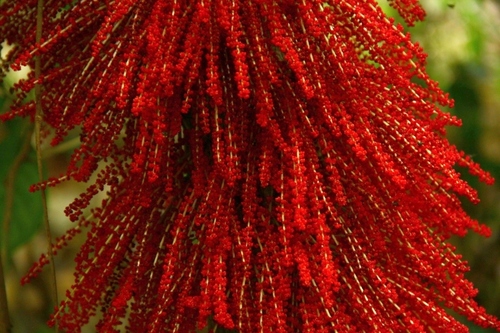
(c) Alan Kwok (King Lun), Ada Tai (Ah Heung) / 阿達蘭 AdAlan, some rights reserved (CC BY-NC), uploaded by Alan Kwok (King Lun), Ada Tai (Ah Heung) / 阿達蘭 AdAlan
iNaturalist· cc-by-nc-nd
(c) Yu Ching Tam, some rights reserved (CC BY-NC-ND), uploaded by Yu Ching Tam
Summary
Source: WikipediaGlochidion lanceolarium is a species of leafflower tree in the family Phyllanthaceae. It is native to Cambodia, China (Fujian, Guangdong, Guangxi, Hainan, and Yunnan), India, Laos, Thailand, and Vietnam. In Mandarin it is known as 艾胶算盘子 ( aijiao suanpanzi). This species of tree is pollinated by the leafflower moth Epicephala lanceolaria in Guangdong and Hainan provinces and Hong Kong, China. The female moth actively pollinates the flowers and then oviposits into one or more carpels of the female flower. The caterpillars consume one of the two seeds in the carpel, and then pupate inside the hollow space within the carpels. Adult moths emerge from the pupae and remain within the fruits for about 20 days, and finally emerge from the fruits when the fruits dehisce, in mid-March to early April, around the same time as the maturation of new flowers.
Description
A tropical tree of the Phyllanthaceae family.
This description is brief — help expand it
Medicinal Uses
The plant (part not specified) is used in the treatment of anaemia, dysentery and uterine prolapse.
Distribution
It is a tropical plant.
Where It Grows
Asia, Cambodia, India, SE Asia,
Cultivation
This species is noteworthy for its pollination mechanism, which involves a symbiotic relationship with moths of the genus Epicephala. This closely parallels that found in Yucca species.
Other Uses
The reddish-brown wood is moderately hard. A pretty wood.
Synonyms
Also Known As
Rusey sach
References (1)
- Cengel, D. J. & Dany, C., (Eds), 2016, Integrating Forest Biodiversity Resource Management and Sustainable Community Livelihood Development in the Preah Vihear Protected Forest. International Tropical Timber Organization p 125