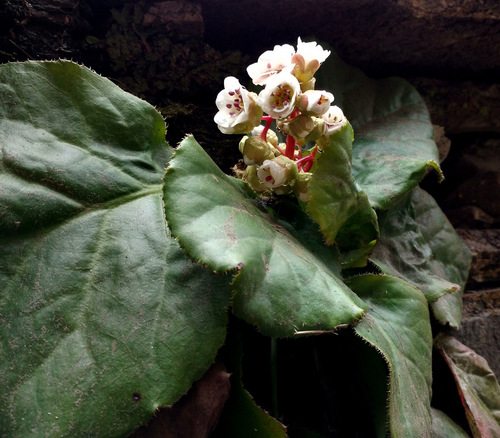
Saxifraga oppositifolia
L.
Purple saxifrage
iNaturalist· cc-by-nc
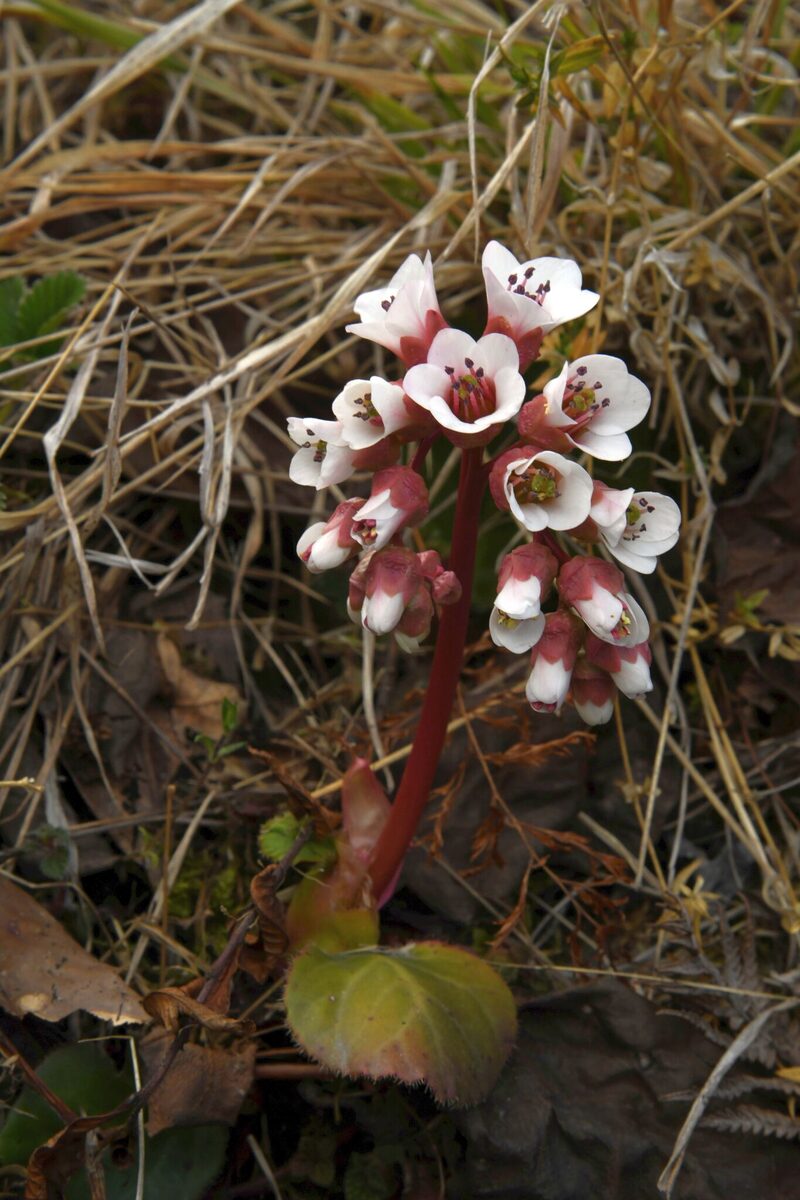
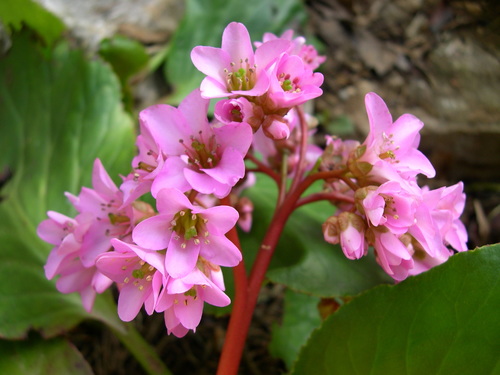
(c) Anthony B. Zerafa, some rights reserved (CC BY-NC), uploaded by Anthony B. Zerafa
iNaturalist· cc-by-sa
(c) Emanuele Santarelli, some rights reserved (CC BY-SA), uploaded by Emanuele Santarelli
iNaturalist· cc-by-sa
(c) Joan Simon, some rights reserved (CC BY-SA)
Summary
Source: WikipediaSaxifraga oppositifolia, the purple saxifrage or purple mountain saxifrage, is a species of plant that is very common in the high Arctic and also some high mountainous areas further south, including northern Britain, the Alps and the Rocky Mountains. Saxifraga oppositifolia grows at a latitude of 83°40'N on Kaffeklubben Island, making it one of the northernmost plants in the world.
Description
A temperate-zone herb in the Saxifragaceae family with purple flowers.
This description is brief — help expand it
Edible Uses
The leaves can be consumed as tea, and both leaves and flowers are edible.
Medicinal Uses
The edible flower petals are eaten, particularly in parts of Nunavut without abundant berries. They are bitter at first but then become sweet. They are also slightly sticky. It is known to the Inuit as aupilaktunnguat. The leaves and stems are brewed for herbal tea. According to many Nunavummiut, the tea is best later in the season once the flowers have died. Saxifraga oppositifolia serves as the territorial flower of Nunavut in Canada, a symbolic flower of Nordland county in Norway, and the county flower of County Londonderry in Northern Ireland.
Distribution
It is a temperate plant.
Where It Grows
Arctia, Canada, Central Asia, North America, Russia, Tajikistan,
Also Known As
Neghyaq
References (3)
- Kuhnlein, H. V., et al, 2009, Indigenous Peoples' food systems. FAO Rome
- Jernigan, K. A., et al, 2017, Naukan ethnobotany in post-Soviet times: lost edibles and new medicinals. Journal of Ethnobiology and Ethnomedicine (2017) 13:61
- Mullory, C. & Aitken, S., 2012, Common Plants of Nunavut. Inhabit Media p 72