Swartzia langsdorffii
Raddi
Manipoyba
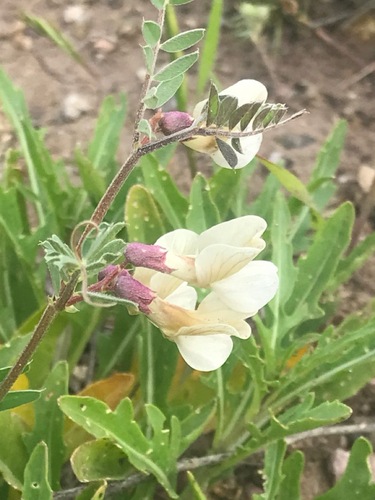
iNaturalist· cc-by-nc
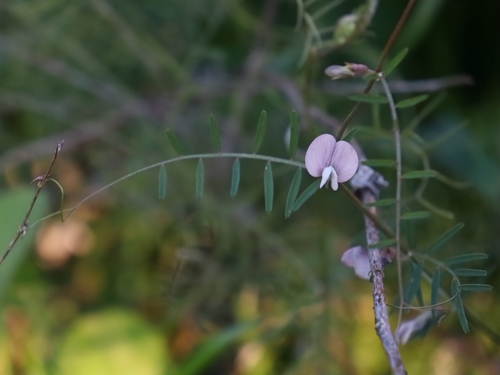
(c) Diego Monsores, some rights reserved (CC BY-NC), uploaded by Diego Monsores
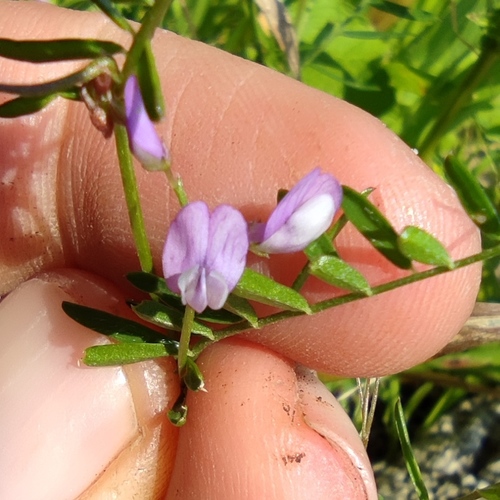
iNaturalist· cc-by-nc
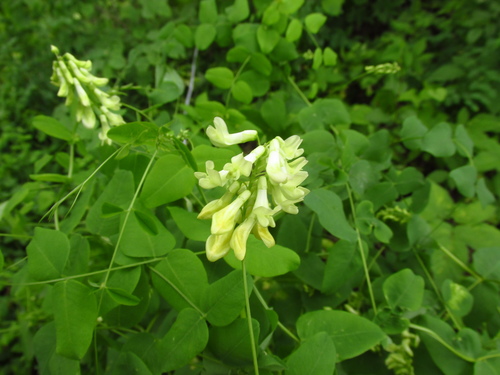
(c) Marinês Eiterer, some rights reserved (CC BY-NC), uploaded by Marinês Eiterer
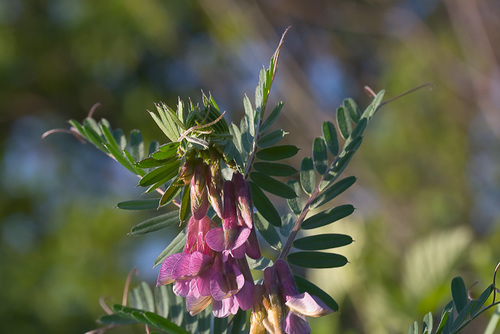
iNaturalist· cc-by-nc
(c) Diego Monsores, some rights reserved (CC BY-NC), uploaded by Diego Monsores
Description
A tropical tree in the legume family (Fabaceae) that grows 8–15 m tall.
This description is brief — help expand it
Edible Uses
The fruit and pods are edible.
Known Hazards
The sawdust from wood of plants in this genus can be irritating to mill workers.
Distribution
It is a tropical plant.
Where It Grows
Brazil, South America,
Cultivation
Prefers a position in some shade. Newly planted young trees grow away quite slowly. This species has a symbiotic relationship with certain soil bacteria; these bacteria form nodules on the roots and fix atmospheric nitrogen. Some of this nitrogen is utilized by the growing plant but some can also be used by other plants growing nearby.
Propagation
Seed - best sown as soon as it is ripe in individual containers in a semi-shaded position. A high germination rate can be expected when fresh seeds are sown, with the seed sprouting within 10 - 20 days. Seedlings grow away quite slowly, but are ready to plant out after 8 - 9 months.
Other Uses
A very ornamental wood, it is moderately heavy, fairly durable and easy to work. It is used in house building, for internal and external construction, cabinet making, carpentry etc. We have no more information on the wood of this species. However, a general description of the wood from plants in this genus is as follows:- The heartwood is dark brown, reddish-brown, or nearly black, in solid colour or somewhat variegated; it is sharply demarcated from the nearly white to yellowish sapwood. The texture is very fine to medium; the grain straight to irregular; lustre is usually medium; there is no distinctive odour or taste. The heartwood is very resistant to attack by decay fungi and resistant to dry-wood termites, though it is not resistant to marine borers. The wood is generally reported to be moderately difficult to air dry because of checking and warp. It is difficult to work because of its high density, but it finishes very smoothly and takes a high polish. It is used for purposes such as inlay, parquet flooring, turnery, furniture, cabinetwork, violin bows, specialty items; and has been suggested as a substitute for ebony.
Synonyms
References (1)
- www.colecionandofrutas.org