Senna macranthera
(DC. ex Collad.) H. S. Irwin & Barneby
Mandui
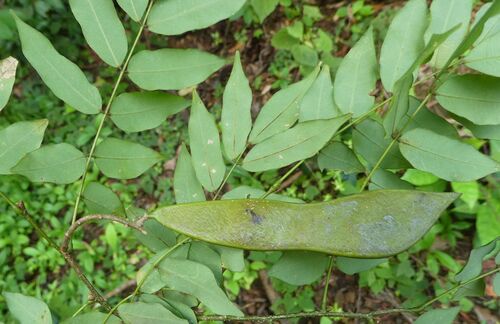
iNaturalist· cc-by-nc
(c) karen_kell, some rights reserved (CC BY-NC)
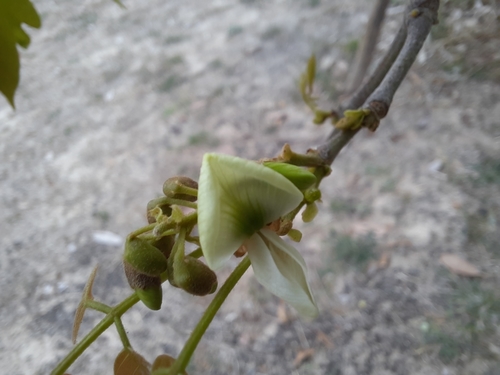
iNaturalist· cc-by-nc
(c) Laurent Quéno, some rights reserved (CC BY-NC), uploaded by Laurent Quéno
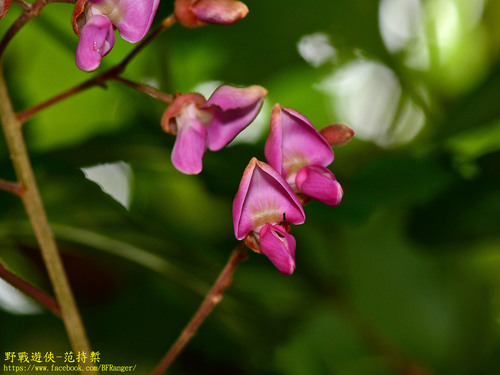
iNaturalist· cc-by-nc
(c) Laurent Quéno, some rights reserved (CC BY-NC), uploaded by Laurent Quéno
Summary
Source: WikipediaSenna macranthera is a tree in the family of Fabaceae. With a height of 6 to 9 m, it has an abundance of yellow flowers from December to April in its homelands.
Description
A tropical tree growing 5–7 m tall in the legume family (Fabaceae). It produces edible fruit.
This description is brief — help expand it
Edible Uses
The fruit are eaten.
Medicinal Uses
The plant is reputedly used in the treatment of syphilis.
Distribution
It is a tropical plant.
Where It Grows
Bolivia, Brazil, Colombia, Ecuador, Paraguay, Peru, South America, Venezuela,
Cultivation
Grows best in a sunny position. Succeeds in a wide range of soils. A fast-growing tree, easily reaching a height of 3.5 metres within 2 years from seed. There are conflicting reports on whether or not this tree has a symbiotic relationship with certain soil bacteria, so it is unclear as to whether this tree fixes atmospheric nitrogen.
Propagation
Seed - it has a hard seedcoat and may benefit from scarification before sowing to speed up germination. This can usually be done by pouring a small amount of nearly boiling water on the seeds (being careful not to cook them!) and then soaking them for 12 - 24 hours in warm water. By this time they should have imbibed moisture and swollen - if they have not, then carefully make a nick in the seedcoat (being careful not to damage the embryo) and soak for a further 12 hours before sowing. Sow the seed in a partially shaded position in a nursery seedbed. A moderate germination rate can usually be expected, with the seed sprouting within 10 - 30 days. When the seedlings are 4 - 6cm tall, pot them up into individual containers and they should be ready to plant out 4 - 5 months later.
Other Uses
The wood is light in weight, soft and of poor durability when exposed to the elements. It is only used for low quality, indoor items such as boxes and cheap toys. The wood is used for fuel. A fast-growing, pioneer species, it can be used in planting schemes for establishing woodland.
Synonyms
References (2)
- Kew Plants of the World On line
- www.colecionandofrutas.org