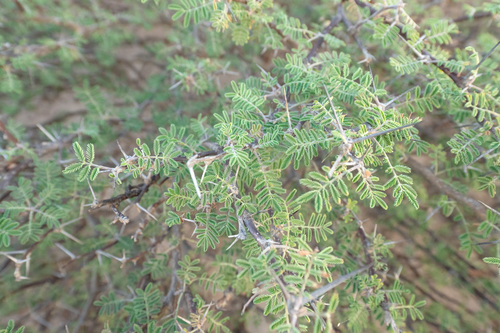
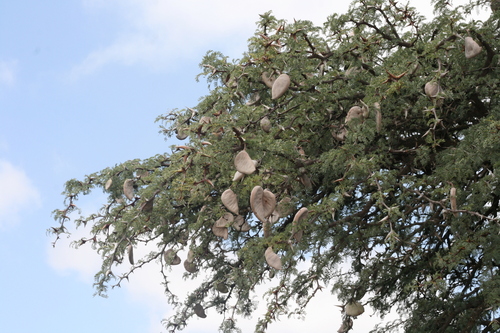
Acacia verticillata
((L'Her.) Willd.
Prickly Moses
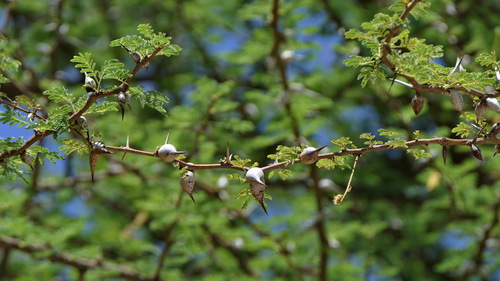
iNaturalist· cc-by-nc
(c) Reiner Richter, some rights reserved (CC BY-NC), uploaded by Reiner Richter
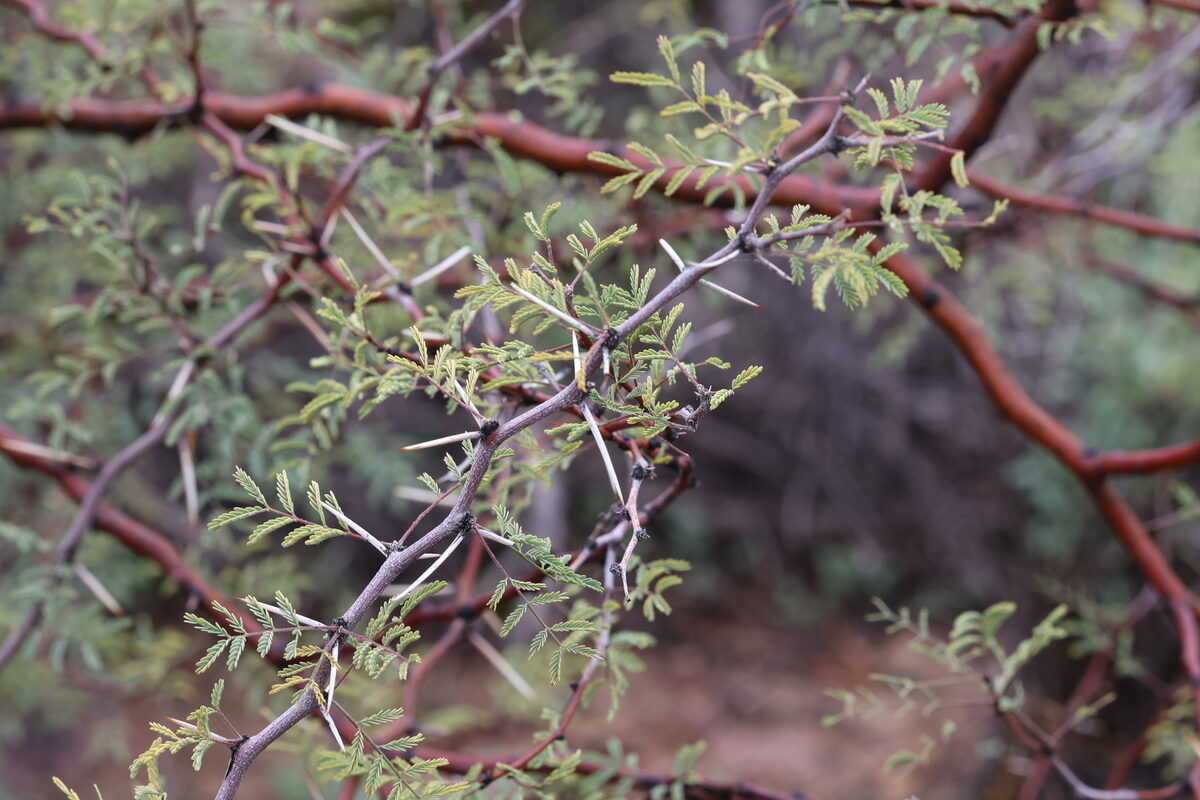
iNaturalist· cc-by-nc
(c) Reiner Richter, some rights reserved (CC BY-NC), uploaded by Reiner Richter
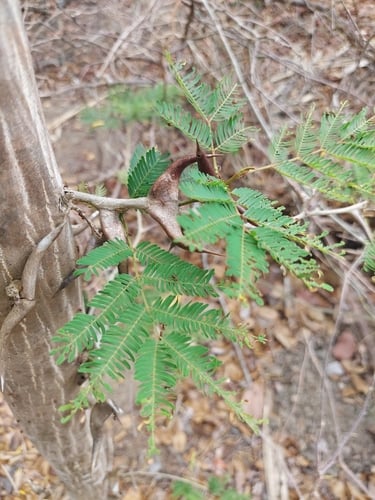
iNaturalist· cc-by-nc-sa
(c) Reiner Richter, some rights reserved (CC BY-NC-SA), uploaded by Reiner Richter
Summary
Source: WikipediaAcacia verticillata (prickly Moses; prickly-leaved wattle; star-leaved acacia; prickly mimosa; whorl-leaved acacia) is a perennial shrub to small tree native to south eastern Australia.
Description
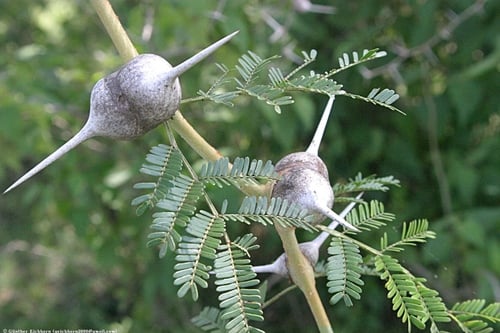
A shrub or small tree. It grows 5 m tall. There are prickles along the stem. The leaves are twice divided and there are 8-18 pairs of pinnae. There are up to 50 pairs of pinnules on each pinnae. The flowers are yellow. They are in large clusters at the ends of branches. The pods are flattened.
Edible Uses
The flowers are cooked and, being rich in pollen, are commonly used in fritters.
Medicinal Uses
None known
Distribution
It is a temperate plant. It grows well in alkaline soils. Arboretum Tasmania.
Where It Grows
Australia, Tasmania,
Propagation
Seed is best sown as soon as it is ripe in a sunny position in a warm greenhouse. Stored seed should be scarified, pre-soaked for 12 hours in warm water, then sown in a warm greenhouse in March; it germinates in 3–4 weeks at 25°C. Prick seedlings out into individual pots once large enough to handle and grow on in a sunny greenhouse position through their first winter. Plant out in late spring or early summer after the last expected frosts, with some cold protection recommended for the first winter outdoors. Cuttings of half-ripe wood with a heel can be taken in July or August, potted individually in a frame, overwintered in a greenhouse, and planted out the following late spring or early summer. Success rate is a fair percentage.
Other Uses
A yellow dye is obtained from the flowers and a green dye from the seed pods. The plant is heavily armed with thorns and makes a good screen or hedge in warm temperate areas. It is also used as a nitrogen fixer and is noted as a scented plant.
Synonyms
Also Known As
Berrigan
References (2)
- Bushfoods Magazine No. 4
- Hastings Advance Community College, 2017, Uses for Native Plants of the Mornington Peninsula. 86pp. p 10