Cassia leptophylla
Vogel
Timburiba
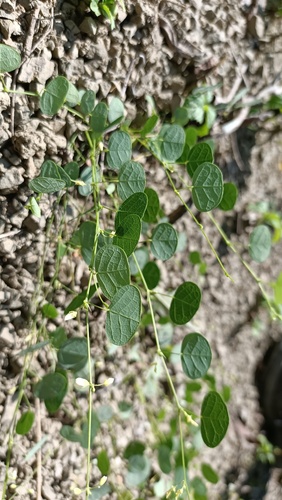
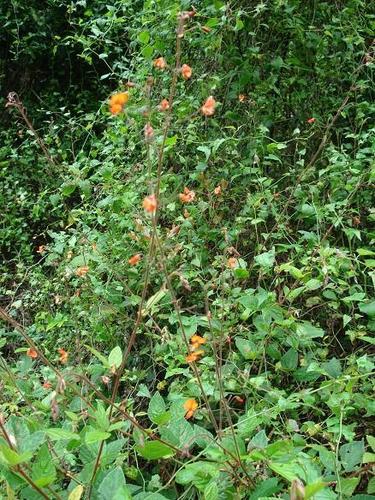
iNaturalist· cc-by-nc
(c) smfang, some rights reserved (CC BY-NC), uploaded by smfang
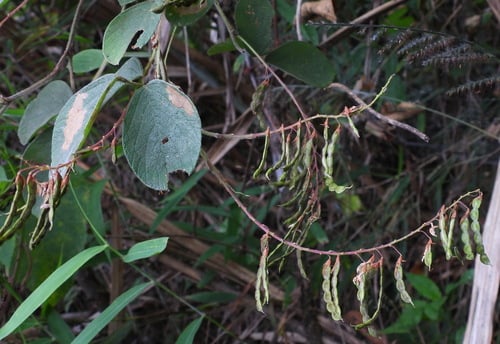
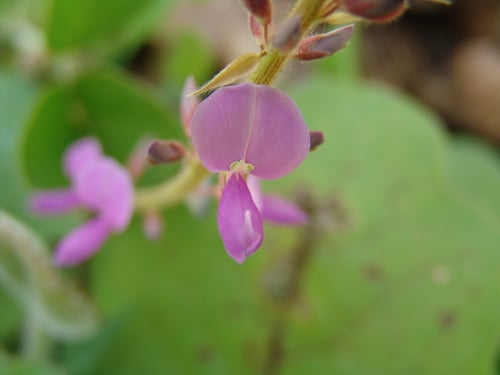
iNaturalist· cc-by-nc
(c) Stephen Thorpe, some rights reserved (CC BY-NC), uploaded by Stephen Thorpe
Summary
Source: WikipediaCassia leptophylla is a tropical tree species in the genus Cassia, which is indigenous to Brazil. It is named gold medallion tree and has yellow flowers that bloom intermittently throughout the year, spawning seedpods that are rectangular in cross section and rattle festively. It is recognized by its thin green foliage with glossy green pinnate leaflets. The fruit is a long thin seedpod with four sides.
Description
A small tropical tree growing 5-8 m tall in the Fabaceae family.
This description is brief — help expand it
Edible Uses
The fruit is edible.
Known Hazards
Seeds are poisonous if ingested. Parts of the plant are poisonous if ingested.
Distribution
It is a tropical plant.
Where It Grows
Baker, South Africa,
Cultivation
A plant mainly of the subtropical and low tropical region of southern Brazil. Succeeds in full sun. Requires a well-drained soil. Established plants are drought tolerant. A fairly fast growing tree, able to reach a height of around 2.5 metres within 2 years from seed.
Propagation
Seed - it has a hard seedcoat and may benefit from scarification before sowing to speed up germination. This can usually be done by pouring a small amount of nearly boiling water on the seeds (being careful not to cook them!) and then soaking them for 12 - 24 hours in warm water. By this time they should have imbibed moisture and swollen - if they have not, then carefully make a nick in the seedcoat (being careful not to damage the embryo) and soak for a further 12 hours before sowing. Sow the seed in a partially shaded position in a nursery seedbed or in individual containers. A germination rate of less than 50% can be expected, with the seed sprouting within 15 - 35 days. When the seedbed-sown seedlings are 4 - 6cm tall, pot them up into individual containers and they should be ready to plant out 5 - 6 months later. The seed has a viability in excess of 10 years in storage, so long as they are stored dry in an airtight container to protect them from insect damage.
Other Uses
The wood is moderately heavy, hard, compact, with reverse fibres, moderately durable even when exposed to the elements. It can be used in light workmanship, for the manufacture of toys, boxes, plywood etc. A fairly fast-growing tree, able to tolerate full sun even when small, it can be used as a pioneer species when establishing woodland.
References (1)
- www.colecionandofrutas.org