Herrania nycterodendron
R. E. Schult.
Cacahuillo
gbif· cc-by
Royal Botanic Gardens, Kew
gbif· cc-by-nc-sa
MBG
gbif· cc-by-nc-sa
MBG
Description
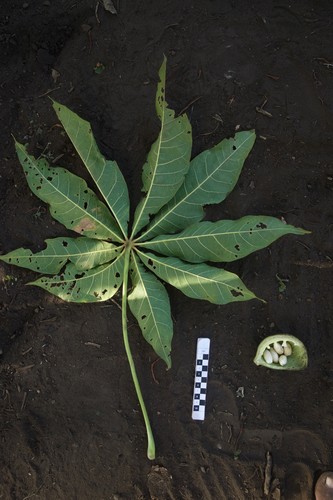
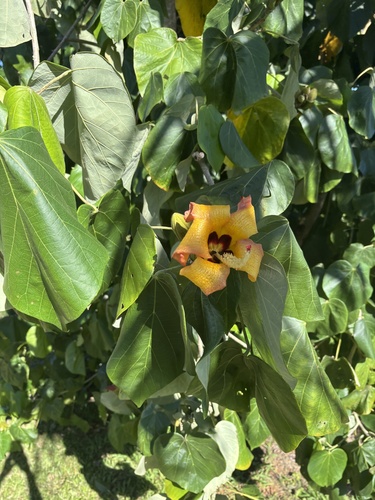
A small evergreen tree. It grows 7.5 m tall. The stem is 10 cm across. The fruit are oval and 10-12 cm long by 4-5 cm wide.
This description is brief — help expand it
Edible Uses
Several species of Theobroma produce edible seeds, notably cacao, cupuaçu, and mocambo. Cacao is commercially valued as the source of cocoa and chocolate. Theobroma species are used as food plants by the larvae of some moths of the genus Endoclita, including E. chalybeatus, E. damor, E. hosei and E. sericeus. The larvae of another moth, Hypercompe muzina, feed exclusively on Theobroma cacao. An active ingredient of cacao, theobromine, is named for the genus.
Traditional Uses
The pulp of the fruit is eaten.
This uses section is brief — help expand it
Distribution
It is a tropical plant. It grows in the floodplain and in the uplands. It grows between 90-300 m above sea level.
Where It Grows
Amazon, Brazil, Colombia, Ecuador, Peru*, South America,
Other Uses
The following description of the wood is for H. Nitida. The wood of this species is likely to be very similar. The heartwood is pinkish brown, the sapwood pale pink. The wood has no distinctive odour or taste; it is straight- or wavy-grained; coarse-textured. It is light in weight; soft; not durable. It requires sharp tools in order to cut smoothly across the grain.
Production
Pods ripen towards the end of the rainy season.
Notes
Also in the family Byttneriaceae.
Also Known As
Boginga, Boinka, Cacao de monte, Hanpi, Patas
References (4)
- Lopez-Diago, D. & Garcia, N., 2021, Wild edible fruits of Colombia. Biota ColomBiana 22 (2) p 41
- Roa, J. A. G. & Boada, D. S. G., 2018, Fundación para el Fortalecimiento de la Fruticultura y Plantas Alimenticias no Convencionales en Colombia.
- Smith, N., et al, 2007, Amazon River Fruits. Flavors for Conservation. Missouri Botanical Gardens Press. p 150
- Torre, de la, L., et al, 2008, Enciclopedia de las Plantas Útiles del Ecuador. Herbario QCA. Pontificia Universidad Católica del Ecuador. p 598