Pterocarpus tinctorius
Welw.
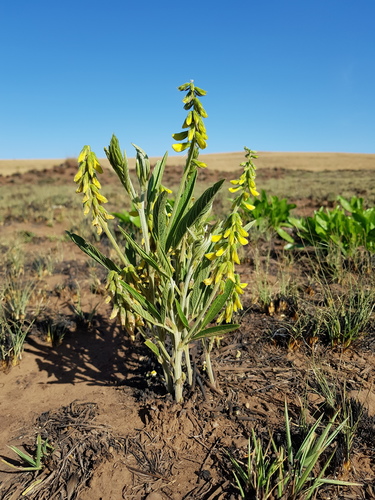
iNaturalist· cc-by-nc
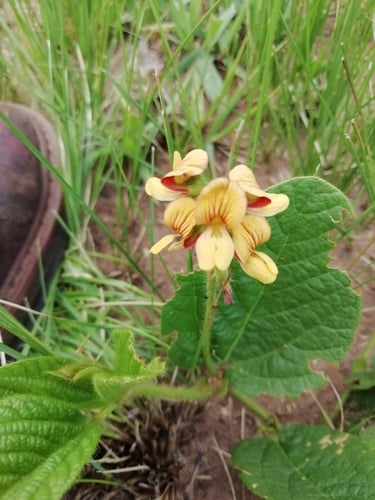
(c) frasergear, some rights reserved (CC BY-NC), uploaded by frasergear
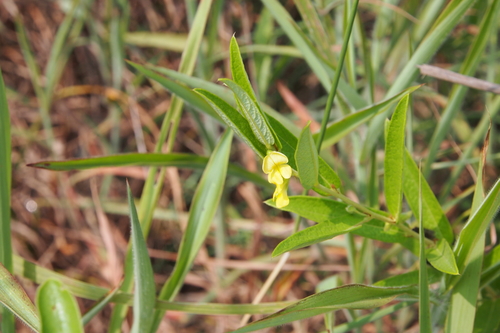
iNaturalist· cc-by-nc
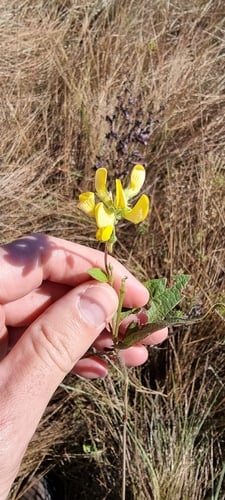
(c) frasergear, some rights reserved (CC BY-NC), uploaded by frasergear
Description
A large tropical tree in the Fabaceae family.
This description is brief — help expand it
Edible Uses
The fruit is eaten.
Medicinal Uses
A bark decoction is used as a rectal washing to treat lung congestion in children.
Known Hazards
The sawdust may cause irritation to workers.
Distribution
It is a tropical plant.
Where It Grows
Africa, Botswana, Southern Africa,
Cultivation
A tree of the tropical moist zone where there is a distinct dry season. A very variable species. A slow-growing tree, it is estimated to take up to 90 years to reach maturity. This species has a symbiotic relationship with certain soil bacteria, these bacteria form nodules on the roots and fix atmospheric nitrogen. Some of this nitrogen is utilized by the growing plant but some can also be used by other plants growing nearby.
Other Uses
The reddish dye from the wood and roots has been used for colouring the body. The heartwood is pale yellow when freshly cut, turning to pinkish red upon exposure, and distinctly demarcated from the whitish, 7.5 - 10cm wide sapwood. The grain is often interlocked; texture moderately fine; irregular, small, dark red or brown markings are present on tangential surfaces. The wood usually dries well with little deformation. The wood saws and works well, and can be planed to a smooth surface; it holds nails and screws well and is generally not liable to splitting. When a filler is used it finishes well. The wood is moderately durable to durable; the lighter wood is liable to termite attack and slightly liable to Lyctus attack, but heavier wood is not. It is moderately resistant to impregnation with preservatives. The red, mahogany-like wood is one of the most beautiful of all cabinet woods. It is popular for furniture, cabinet making and decorative parquet floors. It is also suitable for light construction, joinery, interior trim, boxes, crates, tool handles, carving, turnery, veneer, plywood, hardboard, particle board, and pulpwood for lower-quality paper production. It is used as firewood and for making charcoal.
Synonyms
Also Known As
Mohamana, Wuthumba
References (1)
- Larson, T. J., 1970, Hambukushu Ethno-botany. Botswana Notes and Records. Vol 13. (As Pterocarpus chrysothrix)