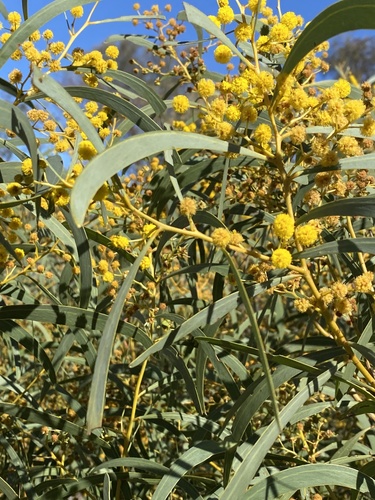
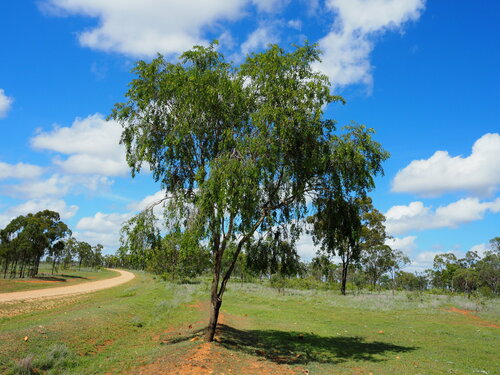
Hymenaea courbaril var. altissima
(Ducke) Lee & Langenh.
Courbaril
iNaturalist· cc-by-nc
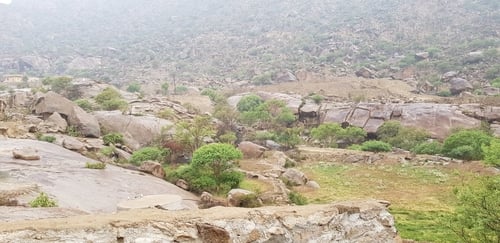
(c) leojales, some rights reserved (CC BY-NC), uploaded by leojales
iNaturalist· cc-by-nc
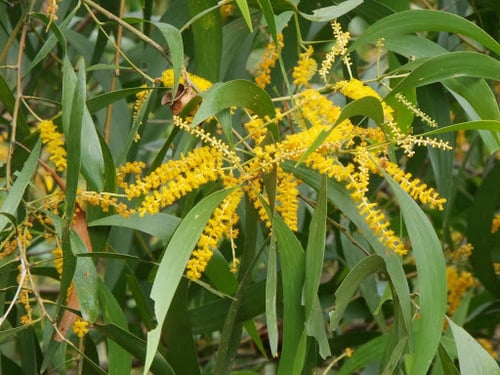
(c) Onildo João Marini Filho, some rights reserved (CC BY-NC)
iNaturalist· cc-by-nc
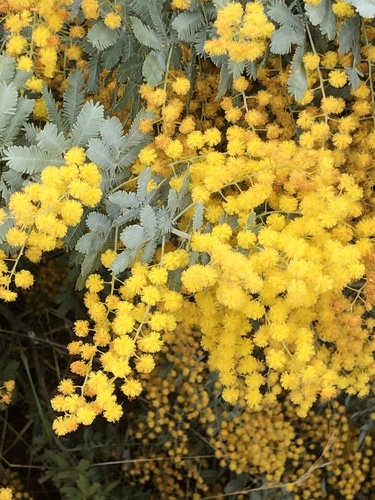
(c) Onildo João Marini Filho, some rights reserved (CC BY-NC)
Summary
Source: WikipediaHymenaea courbaril, the courbaril or West Indian locust, is a hardwood tree common in the Caribbean and Central and South America. As lumber it is frequently used to make furniture, flooring, and decoration. Its hard fruit pods have an edible dry pulp surrounding the seeds. Its sap, called animé, is used for incense, perfume, and varnish.
Description
A tropical tree in the legume family (Fabaceae) native to tropical regions. The fruit is edible.
This description is brief — help expand it
Edible Uses
The fruit is eaten.
Distribution
It is a tropical plant.
Where It Grows
Brazil, Central America, Panama, South America,
Synonyms
Also Known As
Copalillo, Curbaril, Jatai, Jatoba, Jutai
References (2)
- Grandtner, M. M. & Chevrette, J., 2013, Dictionary of Trees, Volume 2: South America: Nomenclature, Taxonomy and Ecology. Academic Press p 312
- Kermath, B. M., et al, 2014, Food Plants in the Americas: A survey of the domesticated, cultivated and wild plants used for Human food in North, Central and South America and the Caribbean. On line draft. p 427