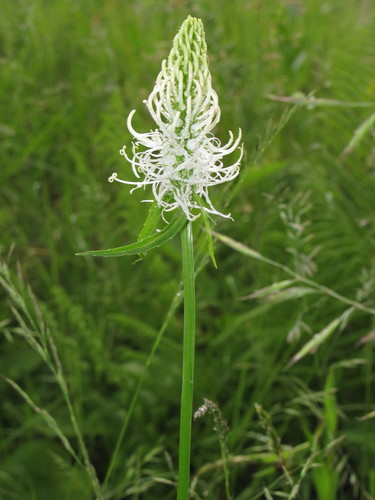
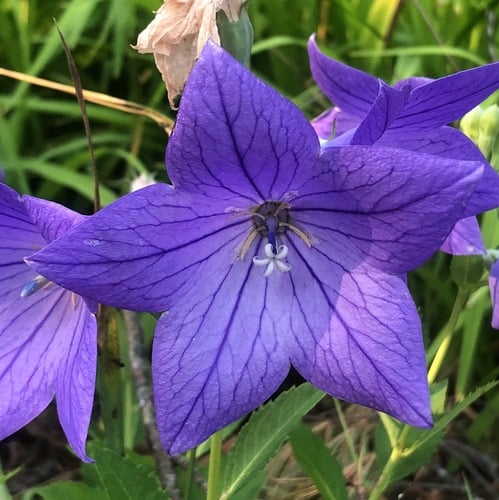
Codonopsis ussuriensis
(Rupr. & Maxim.) Hemsl.
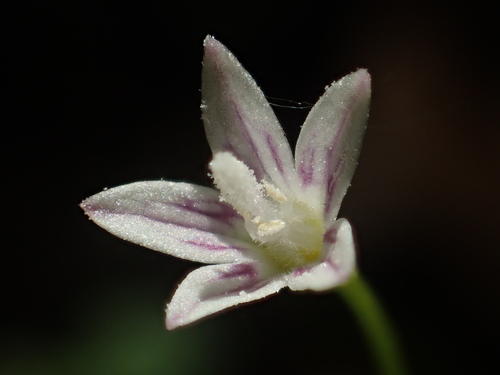
iNaturalist· cc-by-nc
(c) V.S. Volkotrub, some rights reserved (CC BY-NC), uploaded by V.S. Volkotrub
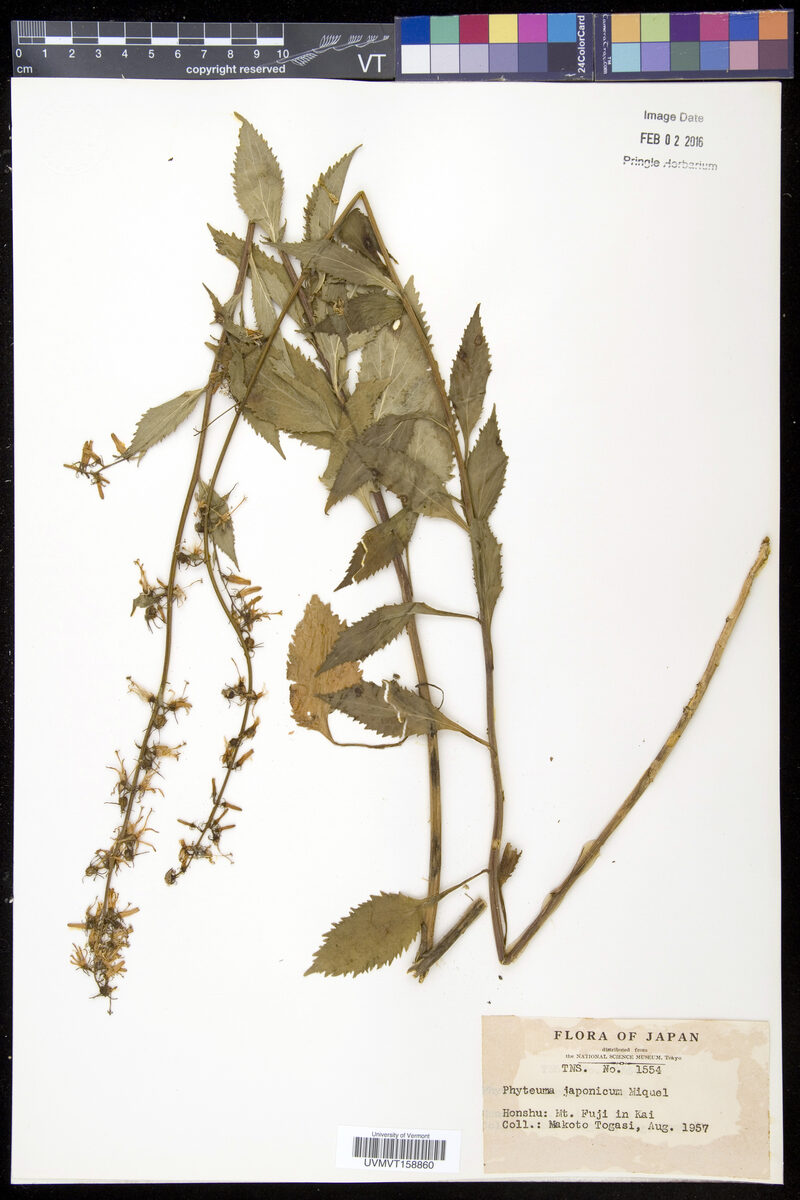
iNaturalist· cc-by
(c) Oleg Kosterin, some rights reserved (CC BY)
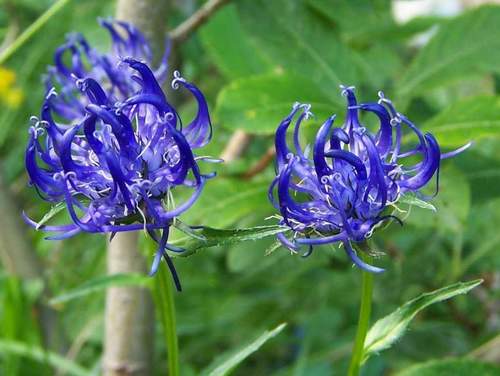
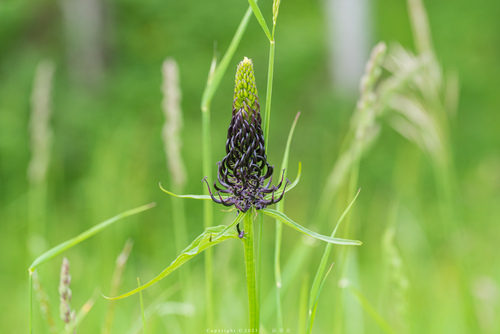
iNaturalist· cc-by-nc
(c) Анастасия Згонник, some rights reserved (CC BY-NC)
Summary
Source: WikipediaPerennial plant 0.3 m (1ft) tall by 3 m (9ft 10in) spread. Hardy to UK zone 7 and USDA zones listed above. Flowers June to October with seeds ripening August to September. Hermaphroditic flowers. Grows in light sandy or medium loamy well-drained soils with mildly acid to neutral pH. Tolerates semi-shade or full sun and prefers moist conditions.
Description
A bulb plant. It keeps growing from year to year. It grows 20 cm tall and 3 m wide. Plants produce round bulbs or tubers. The leaves are 10 cm long and narrow. The flowers are 2 cm long. The petals curl backwards.
Edible Uses
The root can be eaten raw or cooked. Plants produce a stout, globose tuber — the ones grown in trials were quite thin but had a reasonable flavour with a slight sweetness.
Traditional Uses
The roots are eaten raw or cooked. They are also used fermented and in brewing.
This uses section is brief — help expand it
Medicinal Uses
None known.
Distribution
It is a temperate plant. It grows in sandy soils. It can grow in slightly shady places. It grows in moist valleys at about 800 m above sea level. It can grow down to hardiness zone 7.
Where It Grows
Asia, Australia, China*, Japan, Korea, Russia, Tasmania,
Cultivation
It is grown by seed.
Propagation
Surface sow seed in spring to early summer in ericaceous compost in a greenhouse, keeping the compost moist at all times. Seed usually germinates in 1–6 weeks at 20°C. Prick out seedlings into individual pots as soon as they are large enough to handle and grow on under glass through their first winter. Plant out in late spring or early summer, protecting from slugs until well established. Division can be done in spring, but must be done carefully as the plant resents root disturbance. Small divisions teased from the sides of the main clump cause the least disruption and avoid the need to lift the whole plant. Pot these divisions and keep in light shade in a greenhouse until rooting well. Plant out in summer if large enough, otherwise the following spring.
Other Uses
None known.
Notes
There are about 30 Codonopsis species.
Synonyms
Also Known As
Sogyeongbulal
References (4)
- Hibbert, M., 2002, The Aussie Plant Finder 2002, Florilegium. p 71
- Hwang, H., et al, 2013, A Study on the Flora of 15 Islands in the Western Sea of Jeollanamdo Province, Korea. Journal of Asia-Pacific Biodiversity Vol. 6, No. 2 281-310
- Plants for a Future database, The Field, Penpol, Lostwithiel, Cornwall, PL22 0NG, UK. http://www.scs.leeds.ac.uk/pfaf/
- Song, M., et al, 2013, Traditional knowledge of wild edible plants in Jeju Island, Korea. Indian Journal of Traditional Knowledge. 12(2) pp 177-194