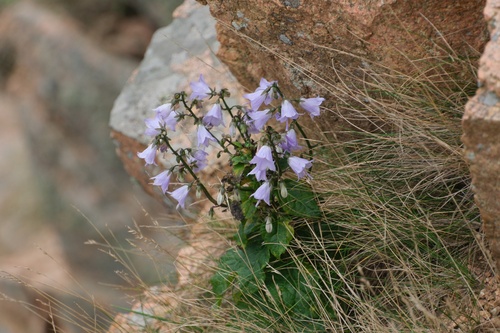
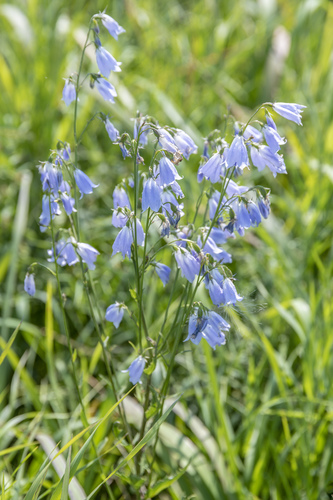
Adenophora triphylla var. japonica
Hara
Three-leaf ladybell
gbif· cc-by-nc
tetsuotani
gbif· cc-by
mami_t_t
gbif· cc-by
mami_t_t
Summary
Source: WikipediaAdenophora triphylla, also known as Japanese lady bell, is one of the 62 species of Adenophora. It is a flowering plant in the family Campanulaceae that is distributed mainly over the Korean Peninsula, Japan, and China.
Description
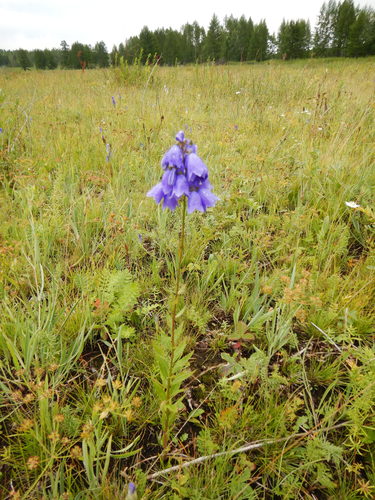
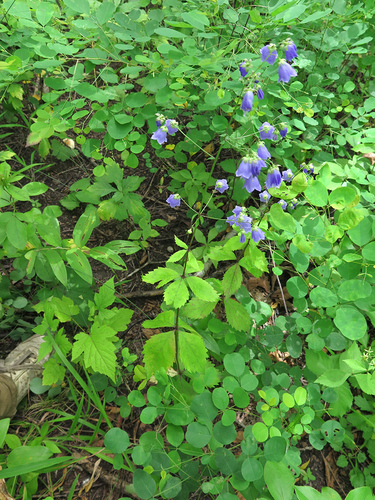
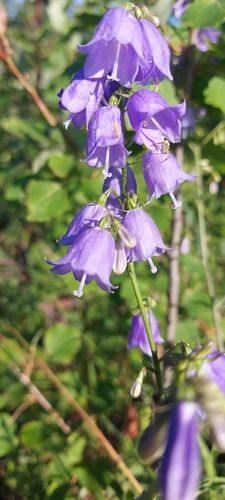
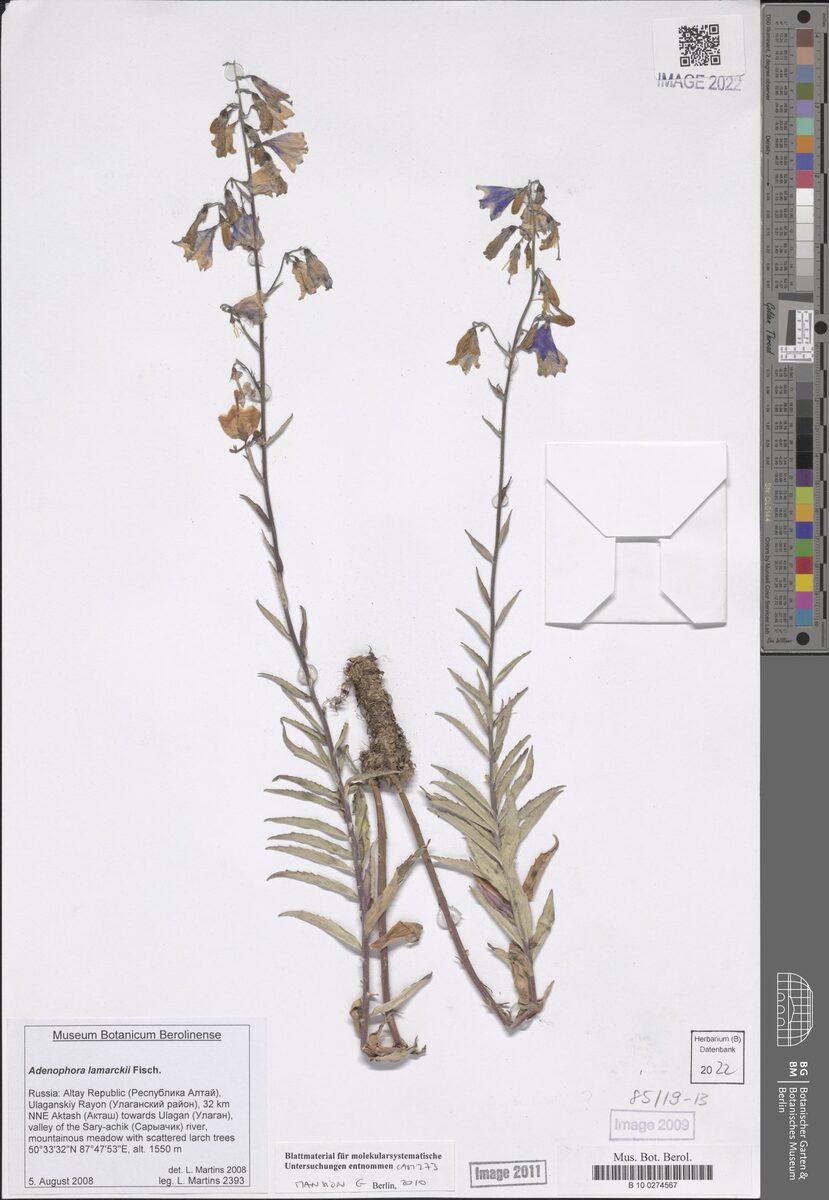
A herb. It grows 1 m tall. It has thick white roots. The flowers are blue and in rings. They are bell shaped. The leaves at the base have long stalks and the leaves are almost round. The leaves on the stems are in rings of 3 or 4 and are 10 cm long. There are teeth along the edge. The flowers are lower on the stems and are in rings.
Edible Uses
The dried roots of Adenophora triphylla are eaten roasted, stir-fried, or pickled and are also used as seasoning in various Korean dishes.
Traditional Uses
The roots are used for tea.
This uses section is brief — help expand it
Medicinal Uses
In Korea, A. triphylla is traditionally used for sputum, cough, bronchial catarrh and to fight obesity, cancer, and inflammation. It is believed to have antifungal, expectorant, and cardiotonic effects. In addition, the water extracts of Adenophora triphylla rejuvenate estrogen in postmenopausal women.
Distribution
It is a temperate plant. It suits USDA hardiness zones 5-9.
Where It Grows
Asia, China, Japan, Korea,
Notes
There are about 40 Adenophora species. They are temperate plants.
Also Known As
Jandae, T'oljandae
References (4)
- Kim, H. & Song, M., 2013, Ethnobotanical analysis for traditional knowledge of wild edible plants in North Jeolla Province (Korea). Genetic. Resour. Crop Evol. (2013) 60:1571-1585
- Pemberton, R. W. & Lee, N. S., 1996, Wild Food Plants in South Korea: Market Presence, New Crops, and Exports to the United States. Economic Botany, Vol. 50, No. 1, pp. 57-70
- Song, M., et al, 2013, Traditional knowledge of wild edible plants in Jeju Island, Korea. Indian Journal of Traditional Knowledge. 12(2) pp 177-194
- Williams, D., 2017, Ainu Ethnobiology. Contributions in Ethnobiology. Society of Ethnobiology. p 121