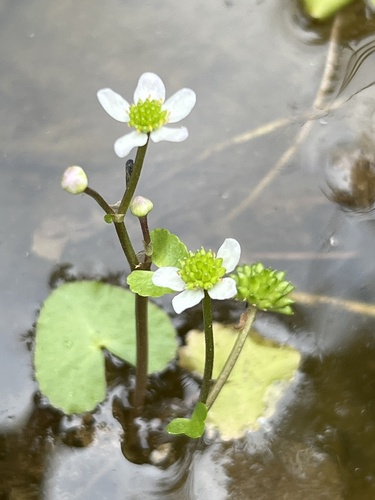
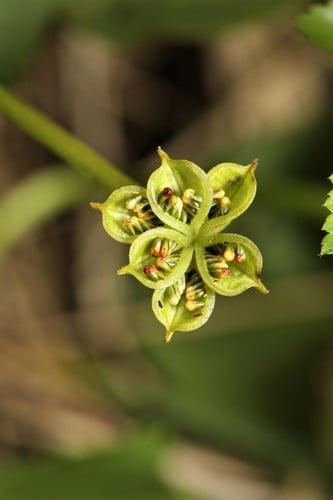
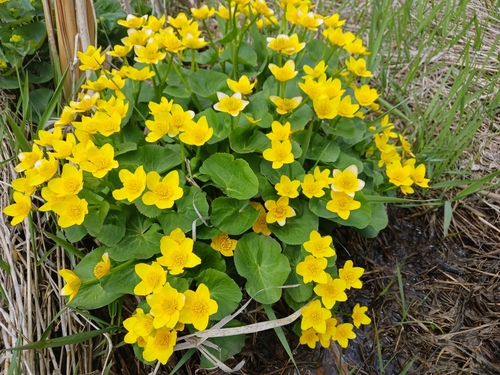
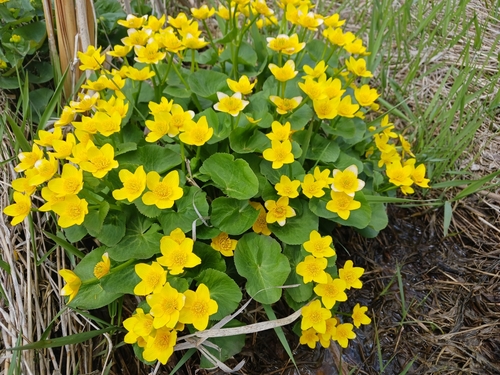
Clematis pierotii
Miq.
iNaturalist· cc-by-nc
(c) nanhu3742, some rights reserved (CC BY-NC)
iNaturalist· cc-by-nc
(c) nanhu3742, some rights reserved (CC BY-NC)
iNaturalist· cc-by-nc
(c) JODY HSIEH, some rights reserved (CC BY-NC)
Summary
A deciduous climbing vine reaching 3 m tall. Hermaphrodite flowers attract bees and flies. Hardy to UK zone 6. Grows in sandy, loamy, or clay soils with good drainage and prefers moist conditions. Tolerates mildly acid to mildly alkaline pH. Can thrive in semi-shade or full sun.
Description
A deciduous climbing vine reaching 3 m tall. Hermaphrodite flowers attract bees and flies. Hardy to UK zone 6. Grows in sandy, loamy, or clay soils with good drainage and prefers moist conditions. Tolerates mildly acid to mildly alkaline pH. Can thrive in semi-shade or full sun.
Edible Uses
Young leaves can be eaten but must be cooked. Some caution is advised due to known toxicity concerns in this species.
Traditional Uses
CAUTION: Most Clematis contain an irritant poison.
This uses section is brief — help expand it
Medicinal Uses
None known.
Known Hazards
Although no reports of toxicity have been seen for this species, some if not all members of this genus are mildly poisonous. The toxic principle is dissipated by heat or by drying.
Distribution
It is a temperate plant.
Where It Grows
Asia, Japan, Korea,
Cultivation
Prefers a deep moist soil with its roots in the shade. Dislikes poorly-drained heavy clay soils, but grows well in clay if grit is added for drainage. Dislikes light sandy soils. Does well on chalk. Succeeds in acid as well as alkaline soils. A twining plant. The leafstalks wrap themselves around twigs and branches for support. When a side of the stalk touches an object, the growth on that side slows down whilst the other side grows at its normal rate - this causes the leaf stalk to entwine the object it is touching. Plants flower on the current season's new shoots. They can usually be left unpruned, though weak or dead shoots can be removed and main shoots can be cut back by up to two thirds of their length if they are outgrowing their allotted area. When planting out, in order to avoid the disease 'clematis wilt', it is best to plant the rootball about 8cm deeper in the soil. This will also serve to build up a good root crown of growth buds. Plants in this genus are notably resistant to honey fungus. Plants seem to be immune to the predations of rabbits. A greedy plant, inhibiting the growth of nearby plants, especially legumes.
Propagation
Sow seed fresh in a cold frame as soon as it is ripe; stored seed should also be sown in a cold frame as soon as it is obtained. Pre-soak seed for 12 hours in warm water and remove as much of the tail and outer coat as possible. Cold stratification is beneficial. Germination occurs in 1–9 months or more at 20°c. Prick seedlings out into individual pots when large enough to handle and grow on in a cold frame through their first winter. Plant out in late spring or early summer after the last expected frosts. Take internodal cuttings of soft to semi-ripe wood in late spring, rooted in sandy soil in a frame. Propagate also by layering old stems in late winter or early spring, or by layering the current season's growth in early summer.
Other Uses
None known.
Notes
There are about 250 Clematis species.
References (2)
- Ann. Mus. Bot. Lugduno-Batavum 3:1. 1867
- Plants for a Future database, The Field, Penpol, Lostwithiel, Cornwall, PL22 0NG, UK. http://www.scs.leeds.ac.uk/pfaf/