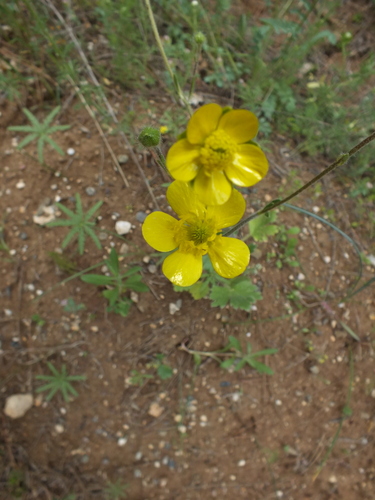
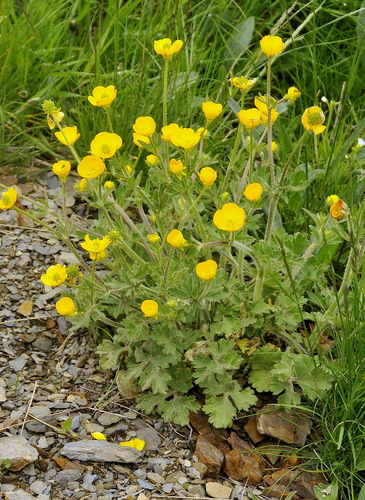
Caltha palustris var. alba
(Cambess.) Hook.f. & Thomson
iNaturalist· cc-by
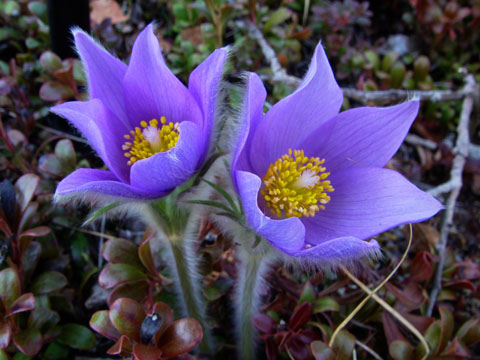
(c) eeyipes, some rights reserved (CC BY)
iNaturalist· cc-by-nc-sa
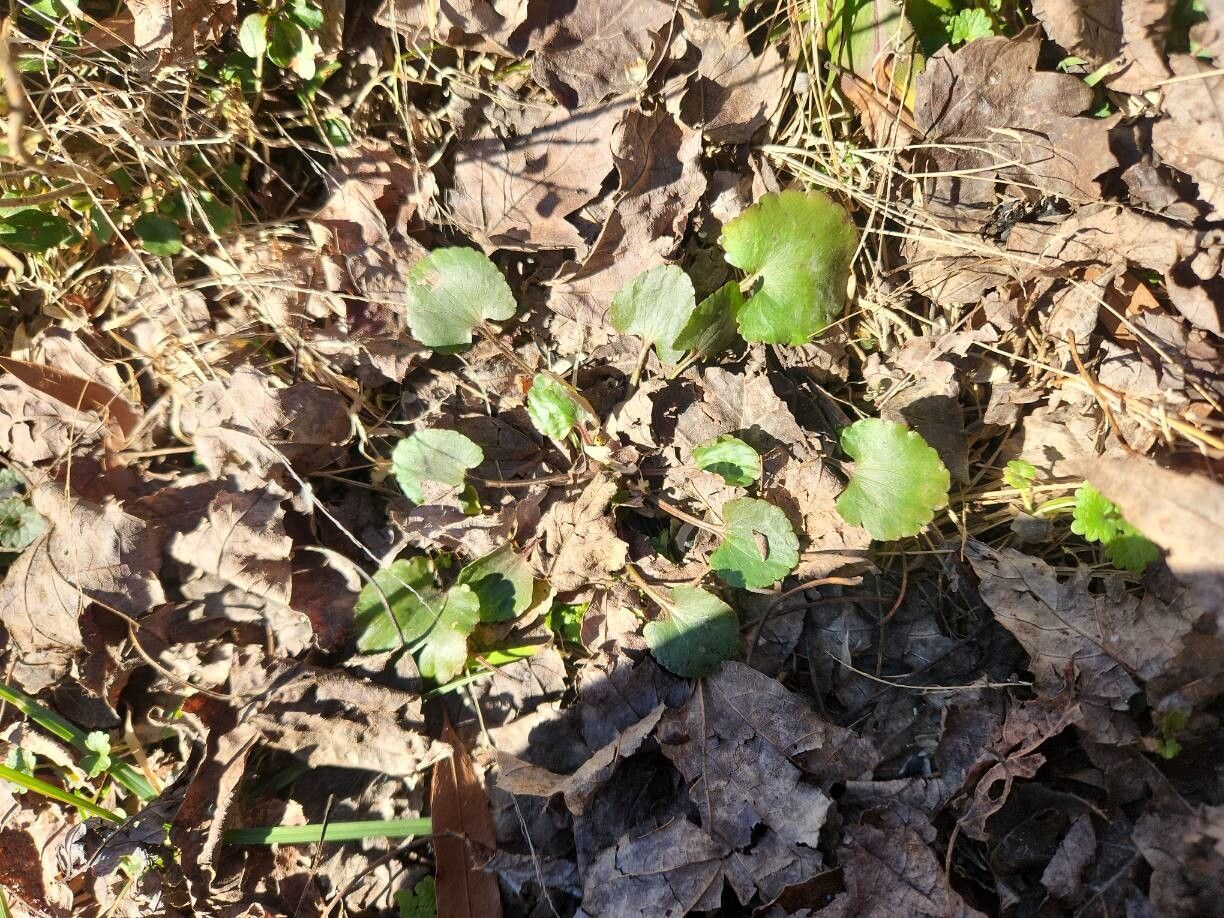
(c) Jinmin Li, some rights reserved (CC BY-NC-SA), uploaded by Jinmin Li
iNaturalist· cc-by-nc
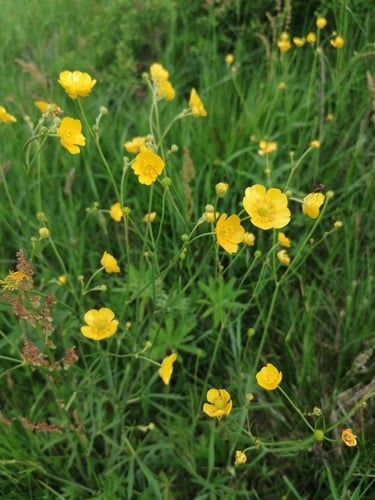
(c) Paul Marcum, some rights reserved (CC BY-NC), uploaded by Paul Marcum
Summary
Source: WikipediaCaltha palustris, known as marsh-marigold and kingcup, is a small to medium sized perennial herbaceous plant of the buttercup family, native to marshes, fens, ditches and wet woodland in temperate regions of the Northern Hemisphere. It flowers between April and August, dependent on altitude and latitude, but occasional flowers may occur at other times.
Description
A herb.
This description is brief — help expand it
Edible Uses
Early spring greens and buds of Caltha palustris are edible when cooked (but are poisonous when raw). Young leaves or buds should be submerged a few times in fresh boiling water until barely tender, cut into bite-sized pieces, lightly salted, and served with melted butter and vinegar. Very young flowerbuds have been prepared like capers and used as a spice. The common marsh marigold is planted as an ornamental throughout temperate regions in the world, and sometimes recommended for low maintenance wildlife gardens. The double-flowered cultivar 'Flore Pleno' has won the Royal Horticultural Society's Award of Garden Merit.
Known Hazards
Caltha contains several active substances of which the most important from a toxicological point of view is protoanemonin. Larger quantities of the plant may cause convulsions, burning of the throat, vomiting, bloody diarrhea, dizziness and fainting. Contact of the skin or mucous membranes with the juices can cause blistering or inflammation, and gastric illness if ingested. Younger parts seem to contain less toxics and heating breaks these substances down. Small amounts of Caltha in hay do not cause problems when fed to husbandry, but larger quantities lead to gastric illness. Additionally, plants that live in raw water may carry toxic organisms which can be neutralized by cooking.
Distribution
It is a temperate plant.
Where It Grows
Asia, Pakistan,
Also Known As
Makan path, Makhanpath
References (2)
- Sher, H. et al, 2011, Ethnobotanical and Economic Observations of Some Plant Resources from the Northern Parts of Pakistan. Ethnobotany research & Applications 9:027-041 (As Caltha alba)
- Shad, A. A., Shah, H. U., & Bakht, J., 2013, Ethnobotanical Assessment and Nutritive Potential of Wild Food Plants. The Journal of Animal & Plant Sciences, 23(1) pp. 92-97 (As Caltha alba)