Clausena indica
(Dalzell) Oliv.
Indian clausena
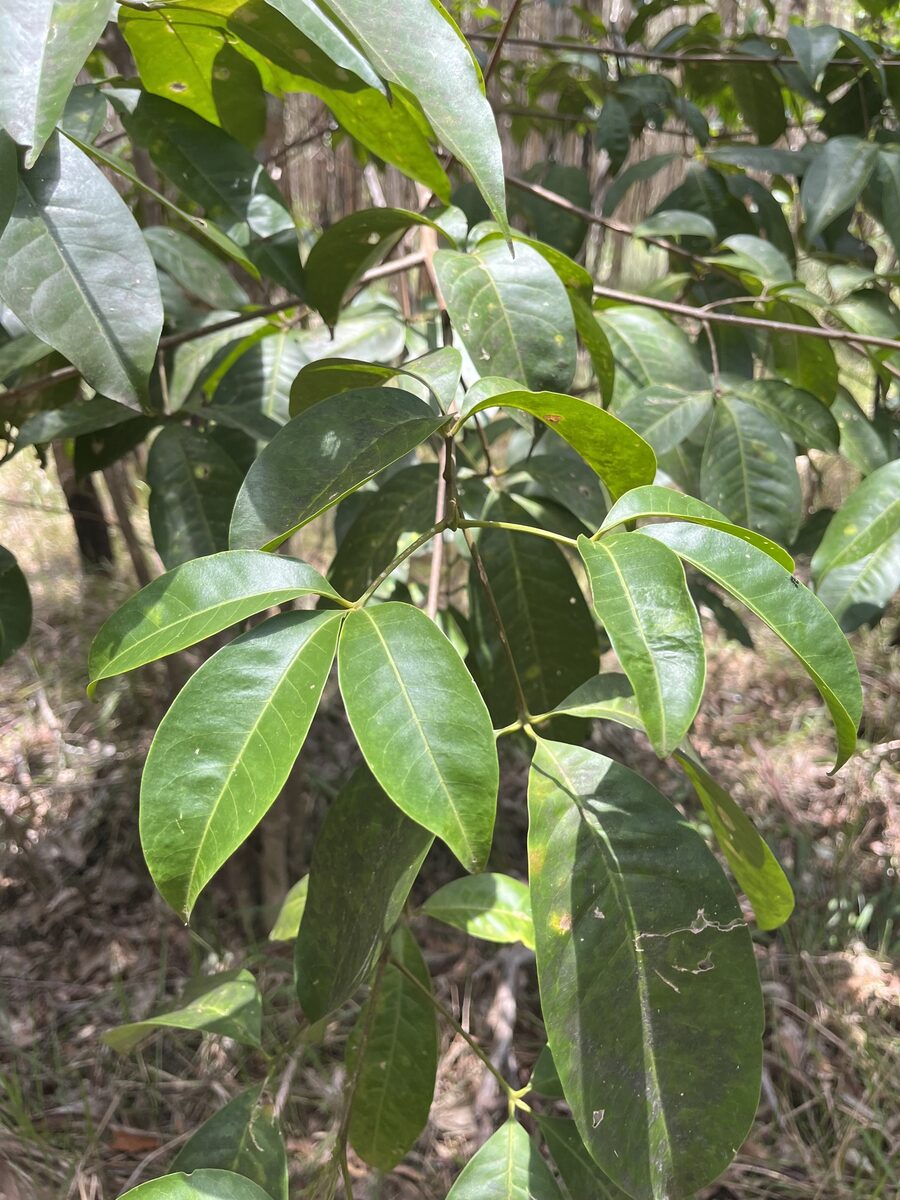
iNaturalist· cc-by
(c) Siddarth Machado, some rights reserved (CC BY), uploaded by Siddarth Machado
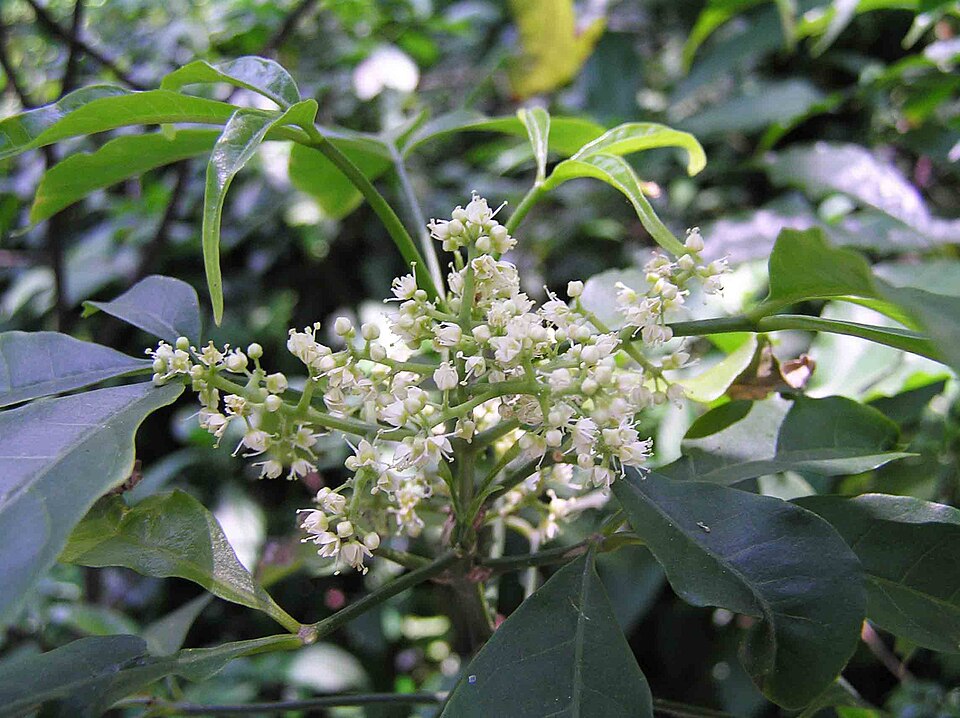
iNaturalist· cc-by-sa
(c) Dinesh Valke, some rights reserved (CC BY-SA)
iNaturalist· cc-by-sa
(c) Dinesh Valke, some rights reserved (CC BY-SA)
Description
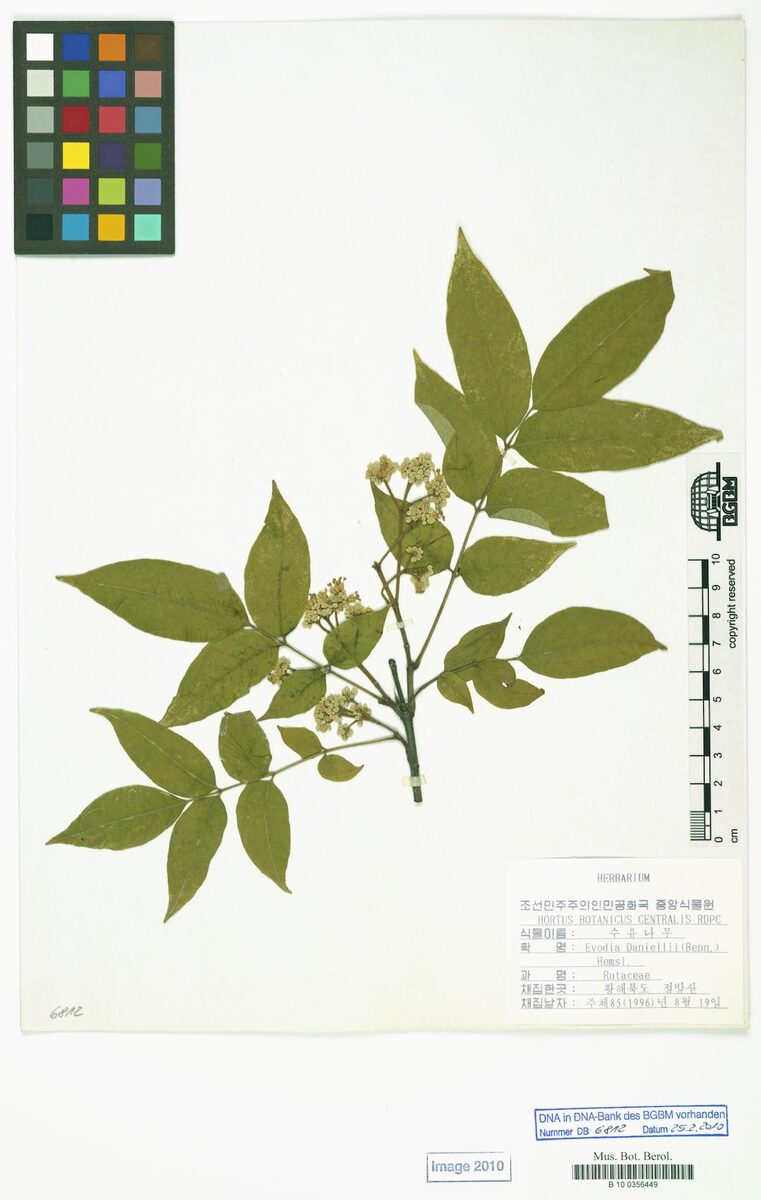
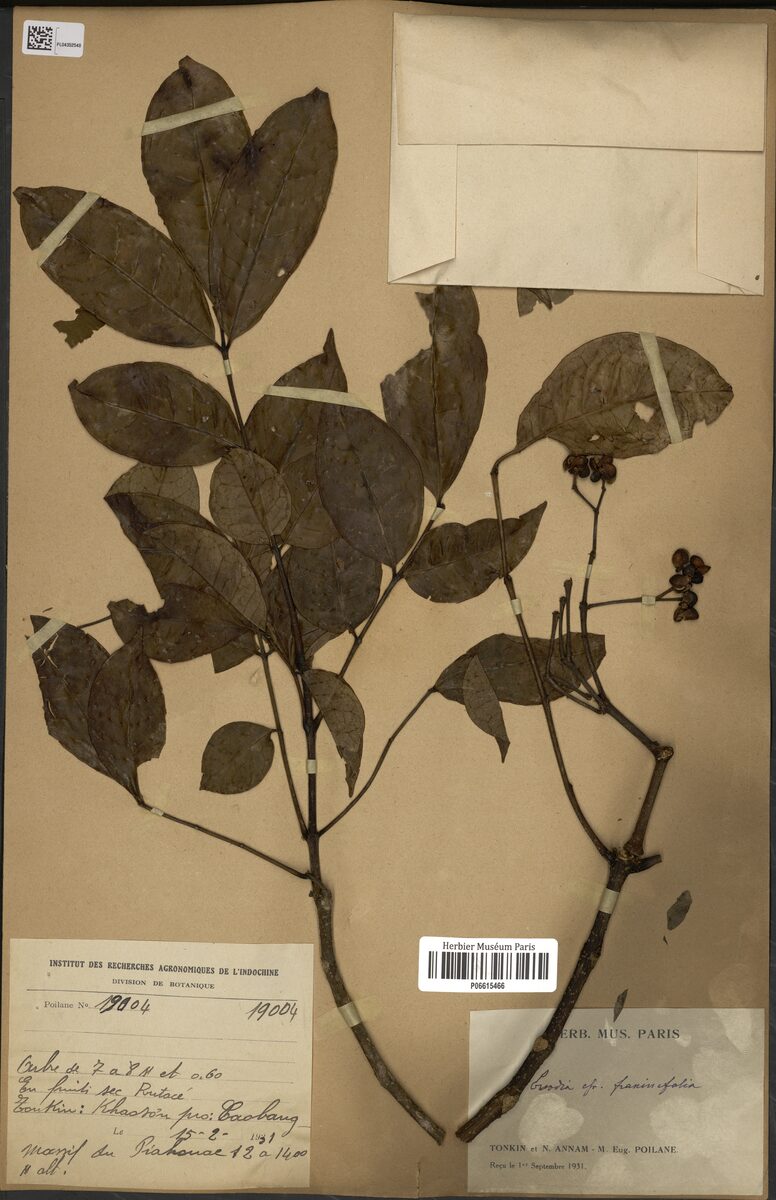
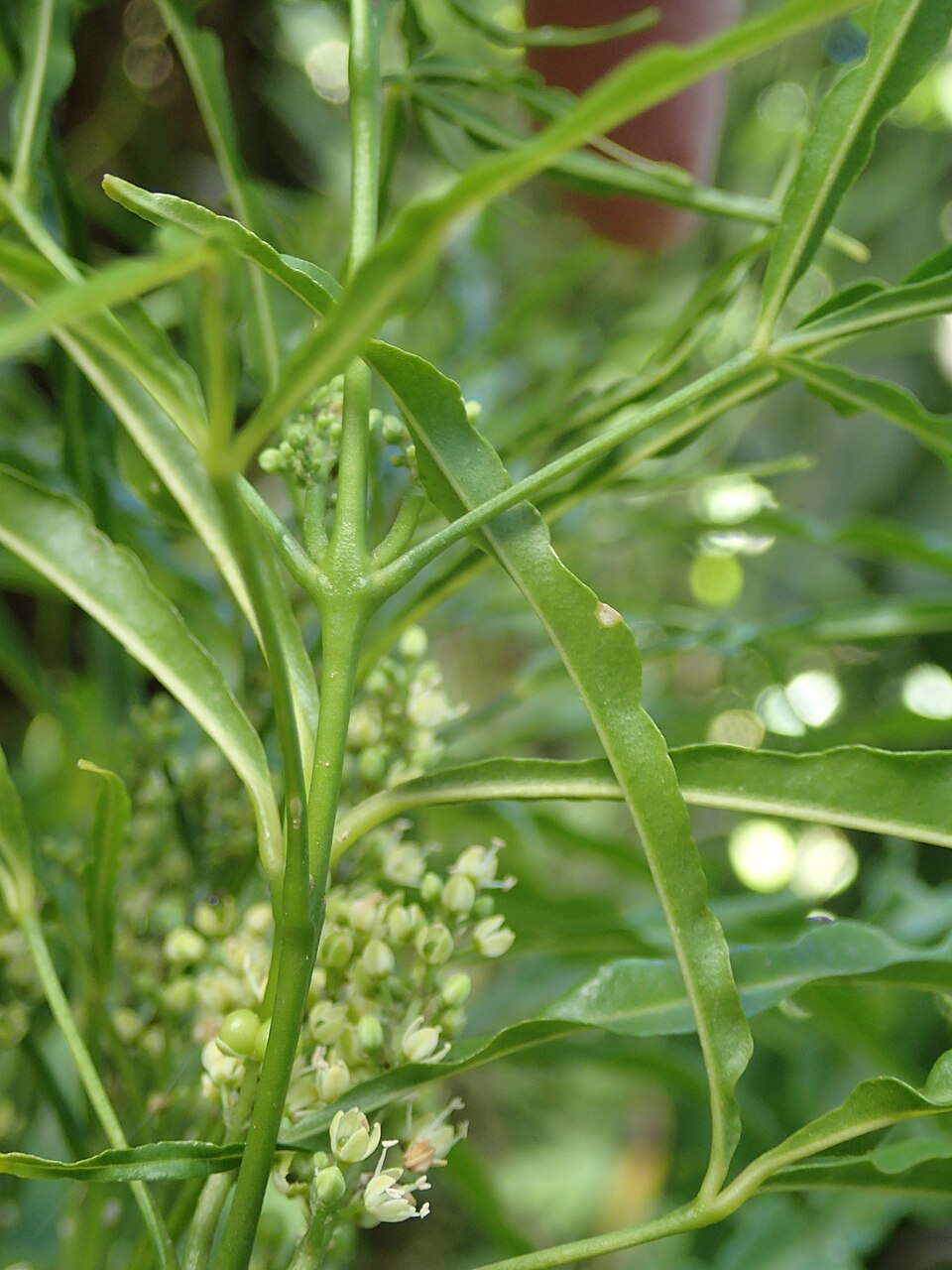
A small tree. It grows about 5-8 m high. The bark is grey and smooth. The leaves are compound and have leaflets along the stalk and one at the end. The leaflets are alternate and narrowly oval. The flowers are in panicles in the axils of leaves or at the ends of branches. They are small and white. The fruit is a berry 1.3 cm across. It is yellowish when ripe. There is one seed.
Edible Uses
The aromatic leaves are used as a flavoring, particularly in curries. The fruit are eaten fresh.
Traditional Uses
The leaves are aromatic and used as a flavouring. They are used to flavour curries. The fruit are eaten fresh.
This uses section is brief — help expand it
Medicinal Uses
The leaves are aromatic and used as a flavoring.
Distribution
A tropical plant. It grows in forests on rocky hillsides between 600-1,300 m above sea level.
Where It Grows
Asia, India*, Indochina, Indonesia, Pacific, Philippines, SE Asia, Sri Lanka, Vietnam,
Notes
There are about 23-30 Clausena species.
Synonyms
Also Known As
Gorakotta tree, Mac mat, Mee gon karapincha, Pohon gorakota
References (11)
- Ambasta, S.P. (Ed.), 2000, The Useful Plants of India. CSIR India. p 130
- Coronel, R.E., 1982, Fruit Collections in the Philippines. IBPGR Newsletter p 9
- J. Proc. Linn. Soc., Bot. 5(suppl. 2):36. 1861
- Martin, F. W., et al, 1987, Perennial Edible Fruits of the Tropics. USDA Handbook 642 p 74
- Seidemann J., 2005, World Spice Plants. Economic Usage, Botany, Taxonomy. Springer. p 111
Show all 11 references Hide references
- Singh, H.B., Arora R.K.,1978, Wild edible Plants of India. Indian Council of Agricultural Research, New Delhi. p 22
- Sukarya, D. G., (Ed.) 2013, 3,500 Plant Species of the Botanic Gardens of Indonesia. LIPI p 203
- USDA, ARS, National Genetic Resources Program. Germplasm Resources Information Network - (GRIN). [Online Database] National Germplasm Resources Laboratory, Beltsville, Maryland. Available: www.ars-grin.gov/cgi-bin/npgs/html/econ.pl (10 April 2000)
- Van Sam, H. et al, 2008, Uses and Conservation of Plant Species in a National Park. A case study of Ben En, Vietnam. Economic Botany 62:574-593
- Wiersema, J. H. & Leon, B., 2013, World Economic Plants. A Standard Reference CRC Press. 2nd Ed. p 181
- World Checklist of Useful Plant Species 2020. Royal Botanic Gardens, Kew