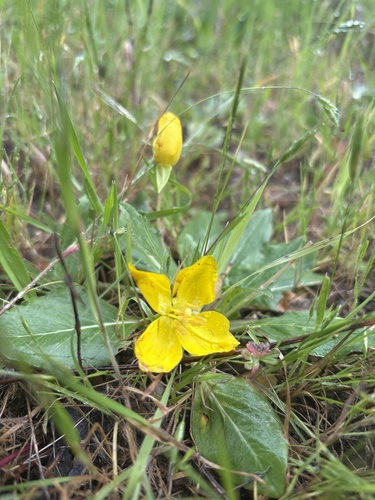
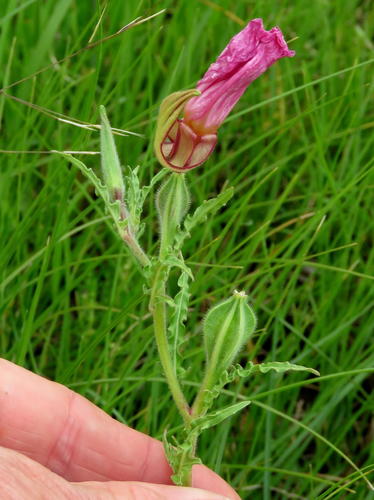
Clarkia unguiculata
Lindl.
Elegant fairyfan
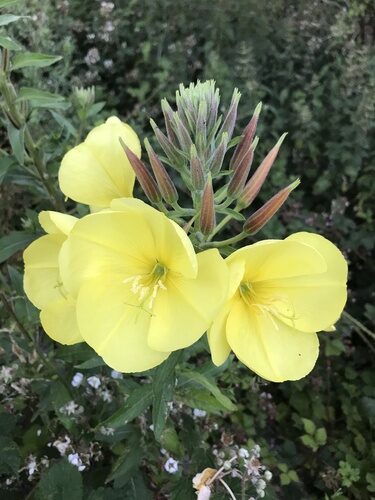
iNaturalist· cc-by
(c) Don Loarie, some rights reserved (CC BY), uploaded by Don Loarie
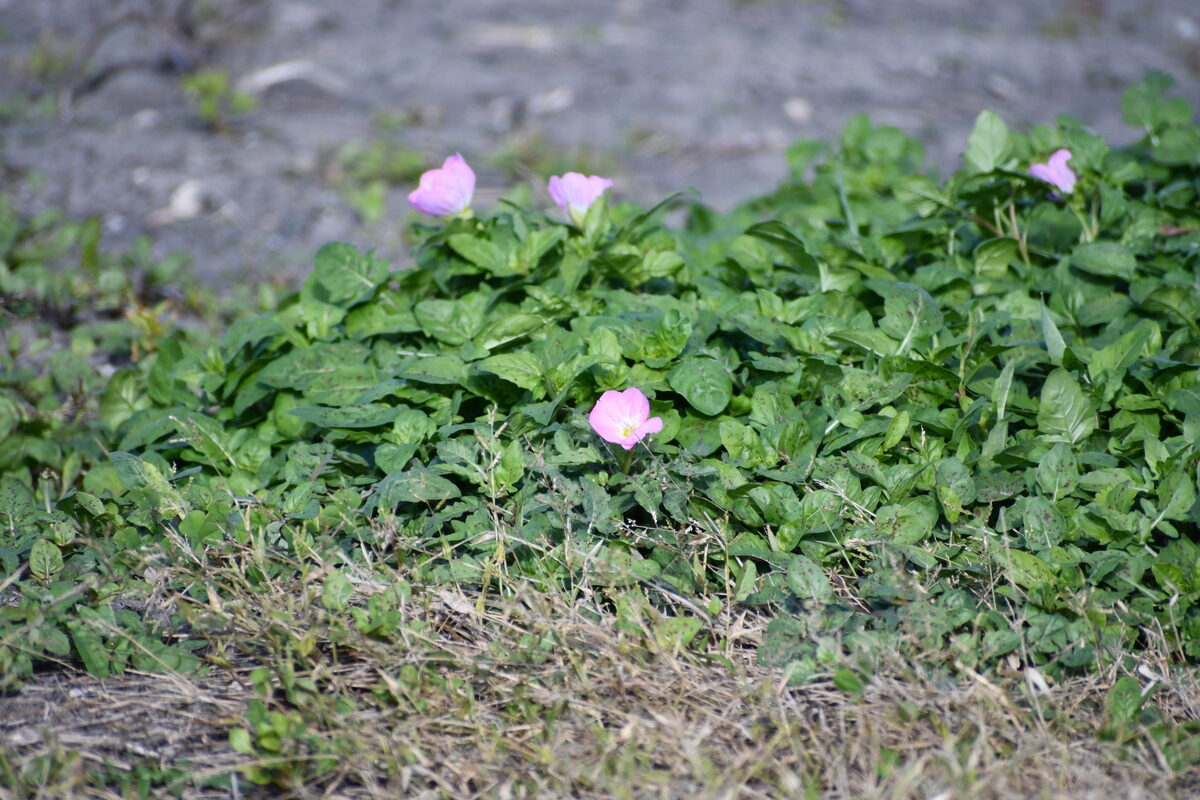
iNaturalist· cc-by-nc-sa
(c) randomtruth, some rights reserved (CC BY-NC-SA)
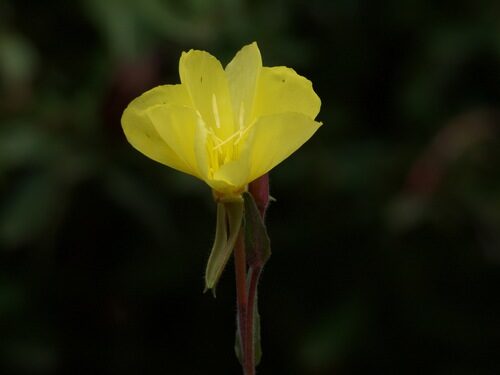
iNaturalist· cc-by-nc
(c) tgran, some rights reserved (CC BY-NC)
Summary
Source: WikipediaClarkia unguiculata is a species of wildflower known by the common name elegant clarkia or mountain garland.
Description
An annual plant. It grows 30-90 cm high and 15-20 cm wide. The flowers are spidery on slender red stems. These are in the axils of the upper leaves. Colours can be red, pink or blue.
Edible Uses
The seed can be eaten raw or cooked, and may also be ground into a powder and eaten dry. It is very small and fiddly to harvest.
Medicinal Uses
None known
Distribution
It needs full sun and fertile, free-draining soil. The soil should be slightly acid. It is frost hardy. It suits hardiness zones 7-10.
Where It Grows
Australia, North America, USA,
Cultivation
Succeeds in a sunny position in any good garden soil. If the soil is too rich the plants will produce lots of vegetative growth at the expense of flowers. Resents hot, humid continental summers. A polymorphic species. A very ornamental plant. The flowers are very attractive to bees.
Propagation
Sow seed in situ in spring; germination usually occurs within 2 weeks. Seed can also be sown in situ during autumn in areas with mild winters. Thinnings can be transplanted.
Other Uses
Green and gold dyes can be obtained from the flowers.
Notes
There are about 33-36 Clarkia species.
Synonyms
References (5)
- Anderson, M. K., 2012, Edible Seeds and Grains of California Tribes and the Klamath Tribe of Oregon in the Phoebe Apperson Hearst Museum of Anthropology Collections, University of California, Berkeley. USDA p 25
- Cundall, P., (ed.), 2004, Gardening Australia: flora: the gardener's bible. ABC Books. p 385
- Edward's Bot. Reg. 23: t. 1981. 1837
- Joyce, D., 1998, The Garden Plant Selector. Ryland, Peters and Small. p 315
- Plants for a Future database, The Field, Penpol, Lostwithiel, Cornwall, PL22 0NG, UK. http://www.scs.leeds.ac.uk/pfaf/