Citrus cavaleriei
H. Lev. ex Cavalerie
Ichang Lemon
iNaturalist· cc-by
(c) t-mizo, some rights reserved (CC BY)
iNaturalist· cc-by-sa
(c) photo by Michael Saalfeld (www.homecitrusgrowers.co.uk), some rights reserved (CC BY-SA)
iNaturalist· cc-by-sa
(c) Photo by David J. Stang, some rights reserved (CC BY-SA)
Summary
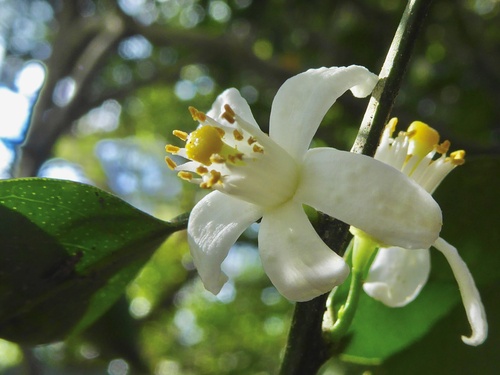
Source: WikipediaCitrus cavaleriei, the Ichang papeda (Chinese: 宜昌橙), is a slow-growing species of papeda that has characteristic lemon-scented foliage and flowers. It is native to southwestern and west-central China and is likely named for the city of Yichang (宜昌), in China's Hubei province. The Ichang papeda is notable for its unusual hardiness. With the exception of Poncirus trifoliata, it is the hardiest citrus plant, tolerating both moderate frost and damp conditions.
Description
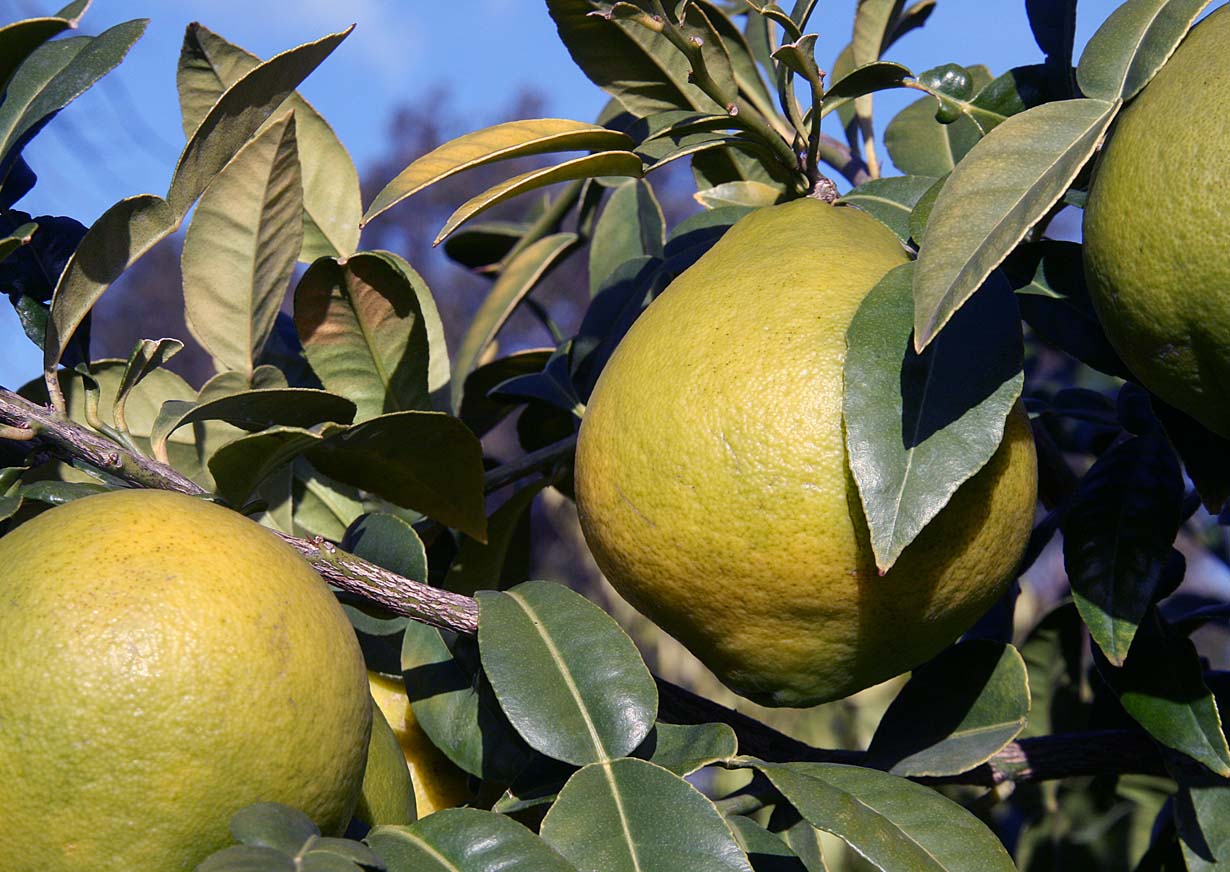
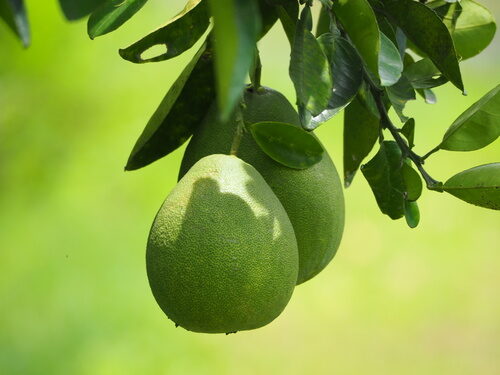
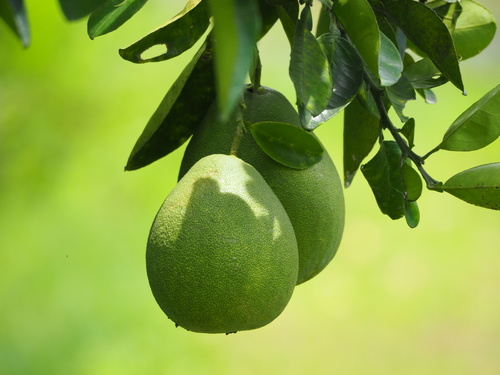
A small tree. It grows 2-10 m tall. It has sharp thorns. The leaf stalks have very wide wings. The fruit are like lemons. They have 8-11 segments. The skin is rough. The seeds are large.
Edible Uses
Fruit - raw or cooked. Juicy but too acid for most people to eat raw, the fruit can be used as a lemon substitute. The fruit is quite large, up to 10cm x 5cm but with large seeds about 15mm long and 8mm thick.
Traditional Uses
The fruit are used for drinks. They are juicy and acid and are sometimes eaten. They are also pickled.
This uses section is brief — help expand it
Medicinal Uses
Citrus species contain a wide range of active ingredients and research is still underway in finding uses for them. They are rich in vitamin C, flavonoids, acids and volatile oils. They also contain coumarins such as bergapten which sensitizes the skin to sunlight. Bergapten is sometimes added to tanning preparations since it promotes pigmentation in the skin, though it can cause dermatitis or allergic responses in some people. Some of the plants more recent applications are as sources of anti-oxidants and chemical exfoliants in specialized cosmetics.
Distribution
It grows at high altitudes in tropical places. In southern China it grows up to 2,500 m above sea level. It is cold hardy. It suits hardiness zones 8-10. In Sichuan and Yunnan.
Where It Grows
Asia, China*, India, Indochina, Myanmar, SE Asia,
Cultivation
Three main climates are suitable for commercial citrus production - tropical climates, subtropical with winter rain such as in the Mediterranean and semitropical with summer rainfall as found in Florida and southern Brazil. The optimal temperatures for citrus cultivation range between 25 - 30°c, with the coldest month having an average minimum of at least 15°c. Growth generally ceases below 13°c and above 38°c. If there are dry periods of more than three months, then irrigation will be necessary. Prefers a moderately heavy loam with a generous amount of compost and sand added and a very sunny position. Prefers a pH of 5 to 6. Plants are intolerant of water logging. When growing plants in pots, a compost comprising equal quantities of loam and leafmould plus a little charcoal should produce good results. Do not use manure since Citrus species dislike it. When watering pot plants it is important to neither overwater or underwater since the plant will soon complain by turning yellow and dying. Water only when the compost is almost dry, but do not allow it to become completely dry. This species is not hardy in the colder areas of the country, it tolerates temperatures down to about -5°c when dormant. The young growth in spring, even on mature plants, is frost-tender and so it is best to grow the plants in a position sheltered from the early morning sun. Plants dislike root disturbance and so should be placed into their permanent positions when young. If growing them in pots, great care must be exercised when potting them on into larger containers. The flowers are sweetly scented.
Propagation
The seed is best sown in containers as soon as it is ripe, after thoroughly rinsing it. Sow stored seed in containers as soon as possible]. Germination usually takes place within 2 - 3 weeks at 13°c. Seedlings are liable to damp off so they must be watered with care and kept well ventilated. The seed is usually polyembryonic, two or more seedlings arise from each seed and they are genetically identical to the parent but they do not usually carry any virus that might be present in the parent plant. When large enough to handle, prick the seedlings out into individual pots and grow them on until they are 10cm or more tall before planting out into their permanent positions. Cuttings of half-ripe wood, July/August in a frame. This species grows easily from cuttings. Layering in October.
Production
In China it flowers March to June and fruits October to December.
Other Information
It is sometimes cultivated and there are some named varieties.
Notes
There are 20 Citrus species. Several hybrids have been formed.