Citrus deliciosa
Ten.
Italian tangerine, Willow-leaf mandarin, Mediterranean mandarin, Mexerica, Mimosa, Mandarim
iNaturalist· cc-by
(c) caligula1995, some rights reserved (CC BY)
iNaturalist· cc-by-nc
(c) James K. Wetterer, some rights reserved (CC BY-NC)
iNaturalist· cc-by-nc
(c) James K. Wetterer, some rights reserved (CC BY-NC)
Description
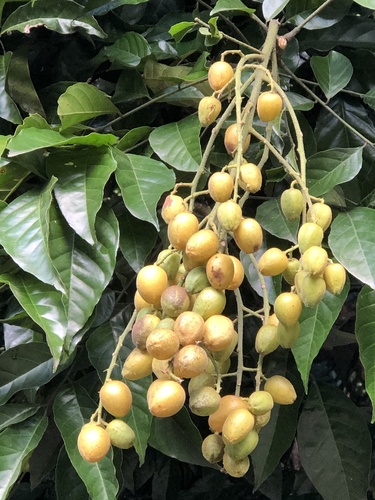
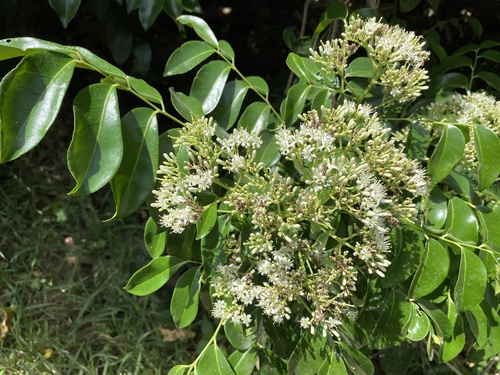
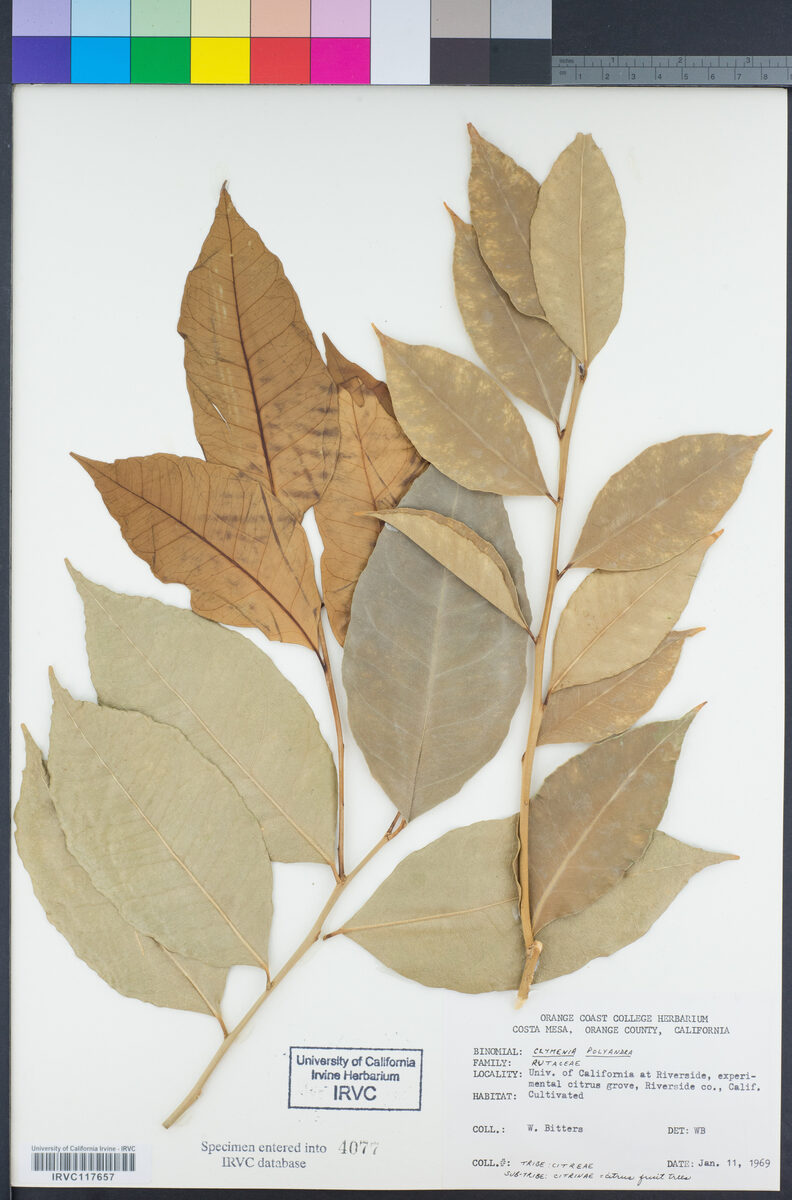
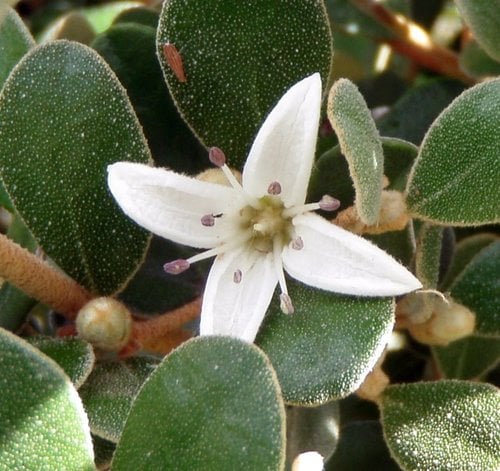
A small spreading tree. It grows 4 m high. The leaves are narrow. They are dark green. The leaves are 2-5 cm long. The flowers can occur singly or in clusters. The fruit is round but flattened. The skin is thin.
Edible Uses
The fruit is eaten fresh, consumed as juice, or made into jelly.
Traditional Uses
The fruit are eaten fresh or as juice. They are also made into jelly.
This uses section is brief — help expand it
Medicinal Uses
Citrus species contain a wide range of active ingredients and research is still underway in finding uses for them. They are rich in vitamin C, flavonoids, acids and volatile oils. They also contain coumarins such as bergapten which sensitizes the skin to sunlight. Bergapten is sometimes added to tanning preparations since it promotes pigmentation in the skin, though it can cause dermatitis or allergic responses in some people. Some of the plants more recent applications are as sources of anti-oxidants and chemical exfoliants in specialized cosmetics.
Distribution
It is a Mediterranean climate plant.
Where It Grows
Brazil, Cuba, Europe, Italy, Mediterranean*, South America, Turkey, Türkiye, West Indies,
Cultivation
Plants are grown by seed or by grafting.
Propagation
The seed is best sown in containers as soon as it is ripe, after thoroughly rinsing it. Sow stored seed in containers as soon as possible]. Germination usually takes place within 2 - 3 weeks at 13°c. Seedlings are liable to damp off so they must be watered with care and kept well ventilated. The seed is usually polyembryonic, two or more seedlings arise from each seed and they are genetically identical to the parent but they do not usually carry any virus that might be present in the parent plant. When large enough to handle, prick the seedlings out into individual pots and grow them on until they are 10cm or more tall before planting out into their permanent positions. Cuttings of half-ripe wood. Layering.
Notes
There are 20 Citrus species. Several hybrids have been formed.
Synonyms
References (8)
- Blamey, M and Grey-Wilson, C., 2005, Wild flowers of the Mediterranean. A & C Black London. p 124
- Index sem. hort. neapol. 9. 1840
- Lorenzi, H., Bacher, L., Lacerda, M. & Sartori, S., 2006, Brazilian Fruits & Cultivated Exotics. Sao Paulo, Instituto Plantarum de Estuados da Flora Ltda. p 531
- Miguel, E., et al, 1989, A checklist of the cultivated plants of Cuba. Kulturpflanze 37. 1989, 211-357
- USDA, ARS, National Genetic Resources Program. Germplasm Resources Information Network - (GRIN). [Online Database] National Germplasm Resources Laboratory, Beltsville, Maryland. Available: www.ars-grin.gov/cgi-bin/npgs/html/econ.pl (10 April 2000)
Show all 8 references Hide references
- van Wyk, B., 2005, Food Plants of the World. An illustrated guide. Timber press. p 144
- Wiersema, J. H. & Leon, B., 2013, World Economic Plants. A Standard Reference CRC Press. 2nd Ed. p 179
- World Checklist of Useful Plant Species 2020. Royal Botanic Gardens, Kew