Glycosmis parviflora
(Sims) Little
Orangeberry, Chinese glycosmis
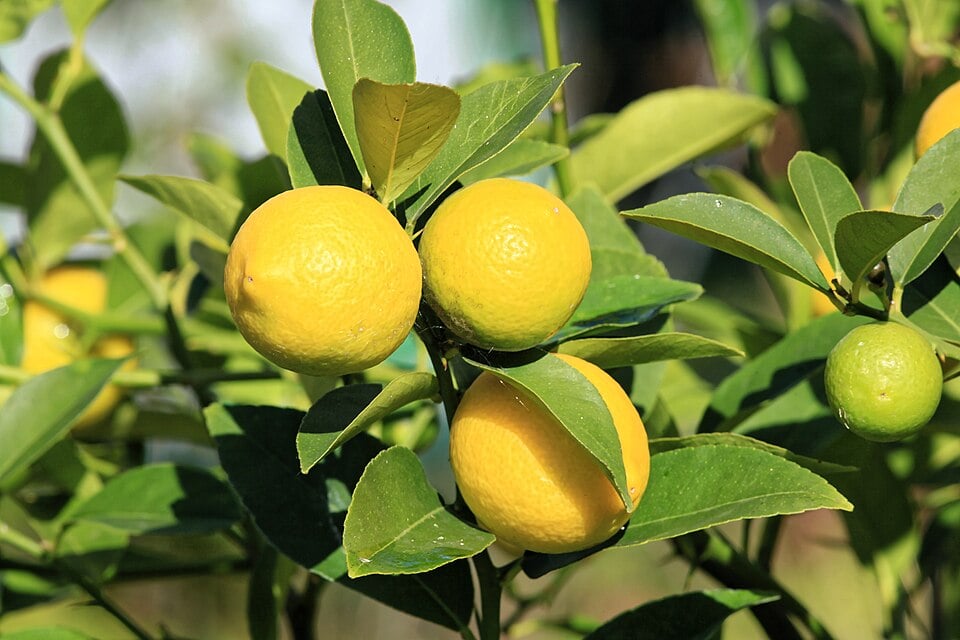
iNaturalist· cc-by-nc
(c) wongcheongyue, some rights reserved (CC BY-NC)
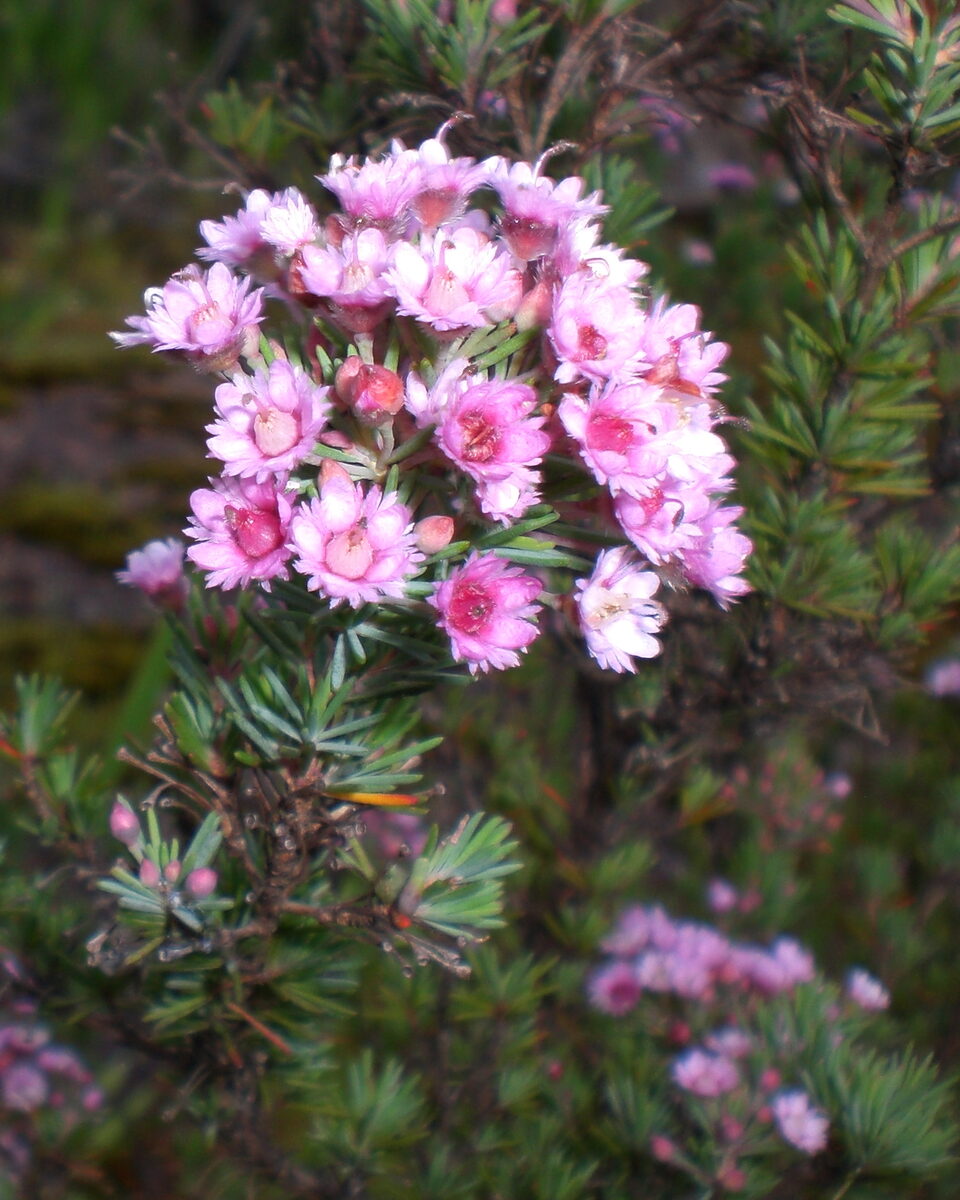
iNaturalist· cc-by-sa
(c) Douglas Goldman, some rights reserved (CC BY-SA), uploaded by Douglas Goldman
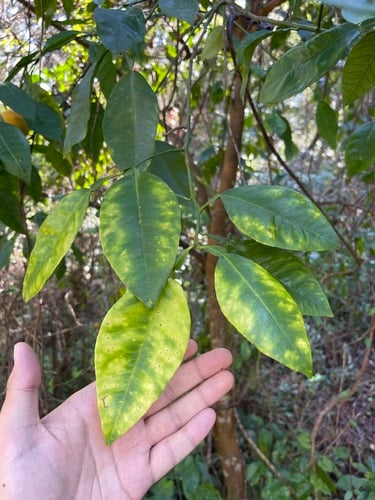
iNaturalist· cc-by-nc
(c) Kinmatsu Lin, some rights reserved (CC BY-NC), uploaded by Kinmatsu Lin
Summary
Source: WikipediaGlycosmis parviflora is a species of flowering plant in the family Rutaceae, known commonly as Chinese glycosmis and Jamaican Mandarin-orange. It occurs in China, Japan, Taiwan, Myanmar and Vietnam. It is widely naturalized in the tropics including in the West Indies. In temperate zones, it can be cultivated indoors as a houseplant.
Description
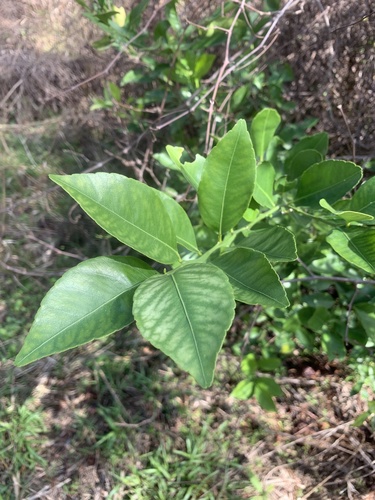
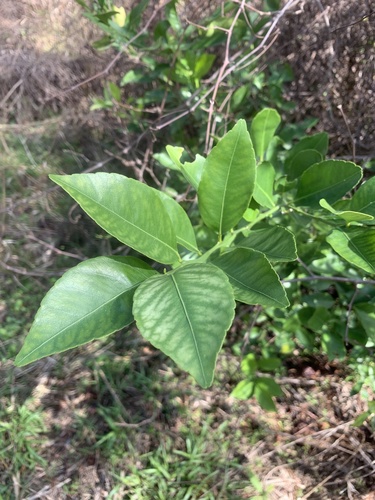
A large thornless, evergreen shrub. It grows 2-3 m tall. The leaves have 2-4 leaflets. The leaflets are oblong and 5-19 cm long by 3-8 cm wide. The flowers are in the axils of leaves or at the ends of branches. They are white. The fruit are 1 cm across. There is a thin juicy pulp.
Edible Uses
Fruit - raw. The aromatic fruit has a thin, juicy pulp with a sweet but somewhat astringent flavour. The small fruits are up to 1cm in diameter.
Traditional Uses
The fruit are eaten raw.
This uses section is brief — help expand it
Distribution
It grows in tropical places. In China it grows in mountain woods between 200-1,000 m above sea level. In Yunnan.
Where It Grows
Asia, China, Dominican Republic, Indochina, Indonesia, Japan, Myanmar, SE Asia, Taiwan, Vietnam, West Indies,
Cultivation
Plants can be grown from seeds.
Production
In China plants flower in March to May and fruit July to September.
Other Information
It is occasionally cultivated.
Synonyms
Also Known As
Daun sage, Glikosmis cina, Urot merah
References (3)
- Fern, K., 2012, Tropical Species Database http://theferns.info/tropical/
- Sukarya, D. G., (Ed.) 2013, 3,500 Plant Species of the Botanic Gardens of Indonesia. LIPI p 633
- Suwardi, A. B., et al, 2020, Wild edible fruits generate substantial income for local people of the Gunung Leuser National Park, Aceh Tamiang Region. Ethnobotany Research & Applications 20:11