Zollernia ilicifolia
(Brongn.) Vogel
Mucitaiba
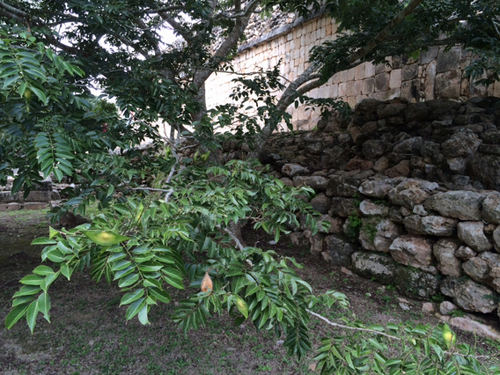
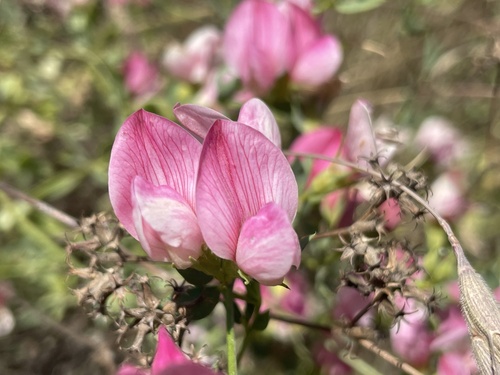
iNaturalist· cc-by-nc
(c) Luís A. Funez, some rights reserved (CC BY-NC), uploaded by Luís A. Funez
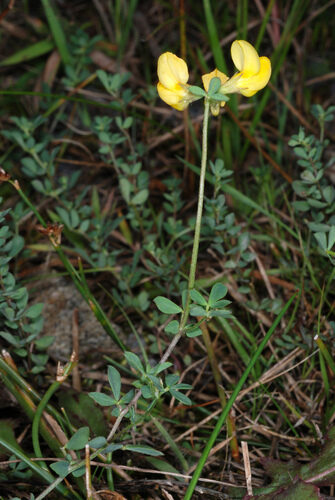
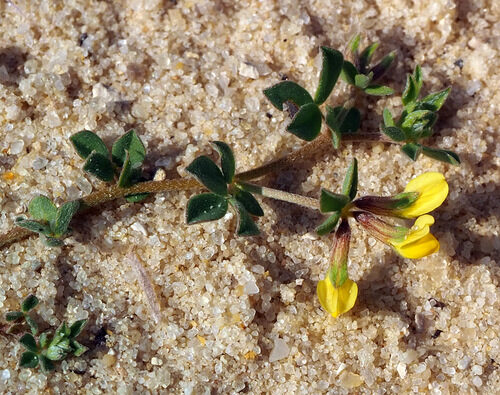
iNaturalist· cc-by-nc
(c) Micael De Bona, some rights reserved (CC BY-NC)
Description
A tropical tree in the Fabaceae family, Mucitaiba grows approximately 20 m tall and produces edible fruit.
This description is brief — help expand it
Edible Uses
The fruit is eaten.
Medicinal Uses
The bark is astringent.
Distribution
It is a tropical plant.
Where It Grows
Amazon, Brazil, South America,
Cultivation
Prefers a position with some shade. Although many species within the family Fabaceae have a symbiotic relationship with soil bacteria, this species is said to be devoid of such a relationship and therefore does not fix atmospheric nitrogen.
Propagation
Seed - best sown in a semi-shaded position in individual containers as soon as it is ripe. Germination rates are usually high, with the seed sprouting in 10 - 25 days. Plant the seedlings out when 25 - 35cm tall.
Other Uses
The bark is a source of tannins. A red dye can be obtained from the roots. The wood is heavy, of medium texture, irregular-grained, hard to cut and very durable even when in contact with the soil. It is used for construction, railway ties, beams, furniture, cabinet making, tool handles, billiard cues etc. The wood is used for fuel. The sweet-scented flowers are very attractive to bees.
Synonyms
References (2)
- Kermath, B. M., et al, 2014, Food Plants in the Americas: A survey of the domesticated, cultivated and wild plants used for Human food in North, Central and South America and the Caribbean. On line draft. p 943
- www.colecionandofrutas.org