Xylopia brasiliensis
Spreng.
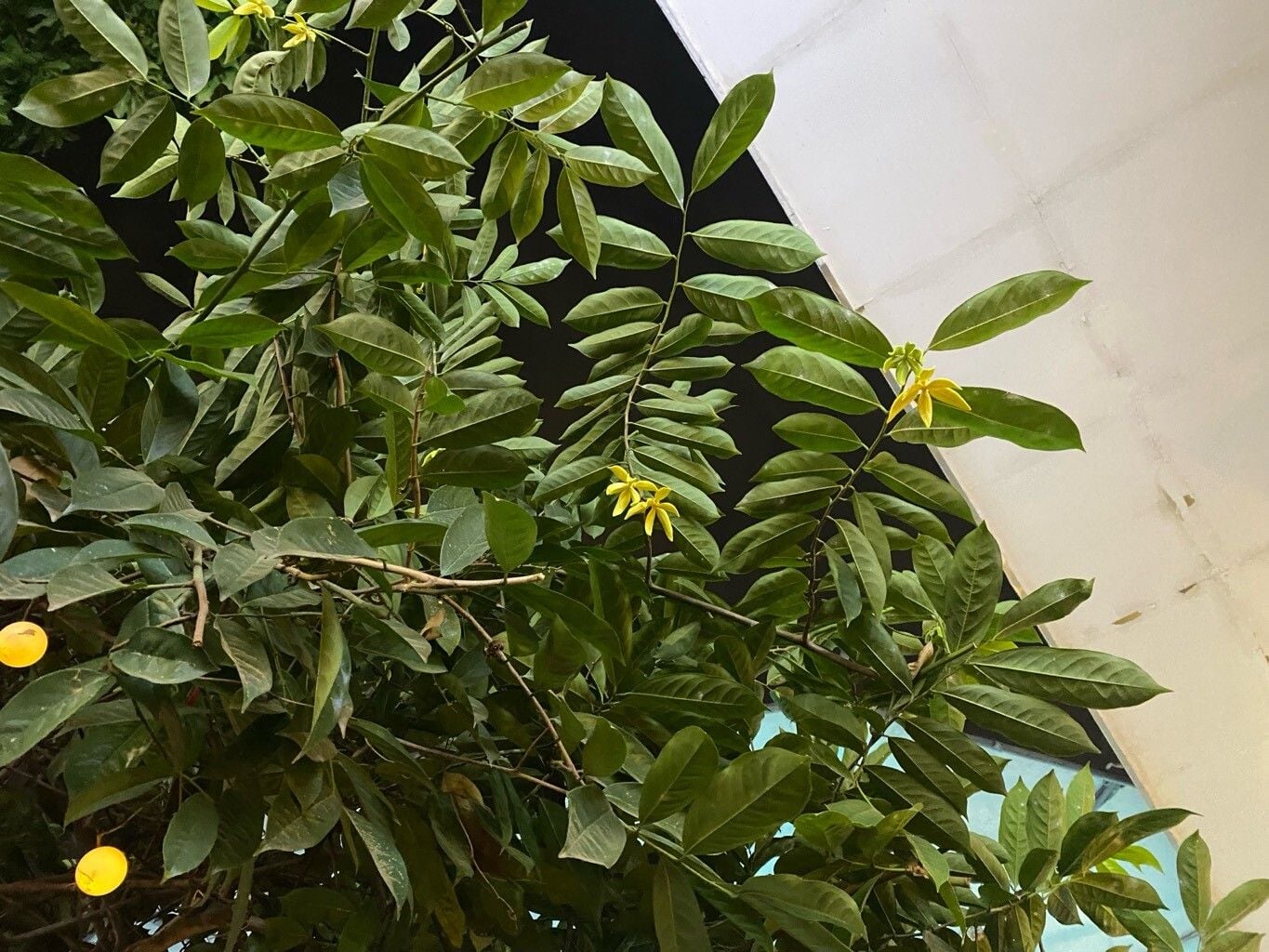
iNaturalist· cc-by-nc
(c) Gelio Marques, some rights reserved (CC BY-NC), uploaded by Gelio Marques
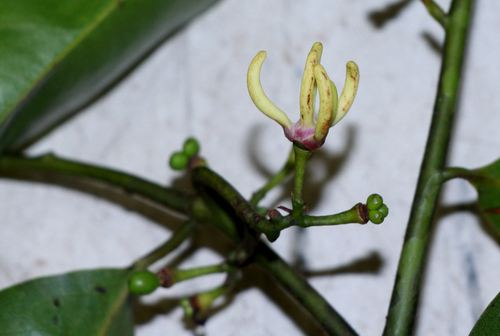
iNaturalist· cc-by
(c) Lera Miles, some rights reserved (CC BY)
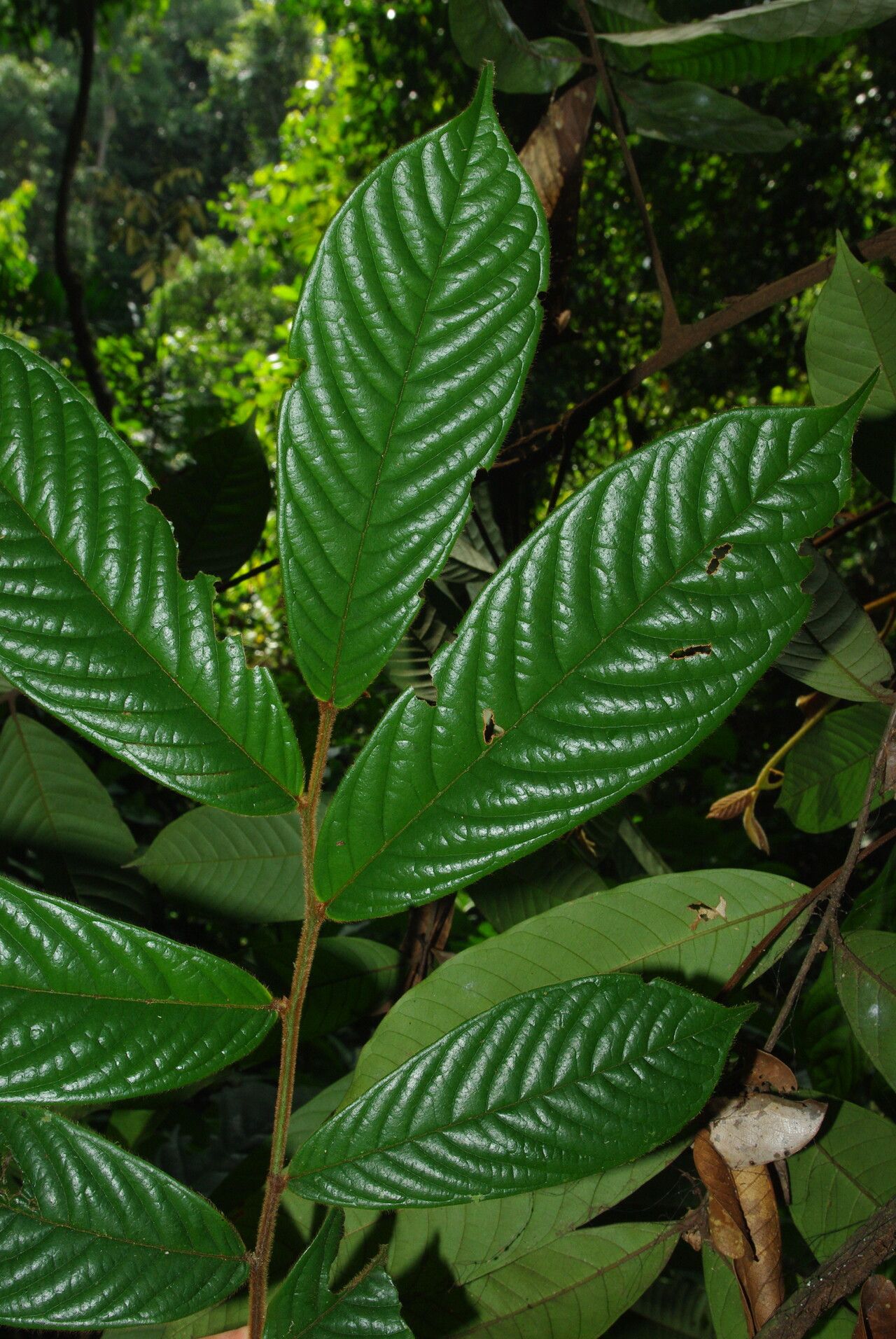
iNaturalist· cc-by
(c) Lera Miles, some rights reserved (CC BY)
Summary
Source: WikipediaXylopia brasiliensis, commonly known as pindaíba, is a species of plant in the family Annonaceae. It is native to Atlantic Forest and Cerrado ecoregions in eastern and southern Brazil.
Description
A tree. It grows 6-24 m tall. The leaves are 2-9 cm long by 0.5-1.6 cm wide. The fruit is 1-2.4 cm long by 0.3-0.8 cm wide. There are 1-4 seeds 7-8 mm long by 5 mm wide.
Edible Uses
The seeds are used as a spice.
Medicinal Uses
The seed and bark are carminative, febrifuge and stomachic. They are used in the treatment of stomach-aches, flatulence and malaria. Extracts from plants in this genus have proved active against Plasmodium falciparum with IC50 between 3 and 10 mcg/ml.
Distribution
It is a subtropical plant. In Argentina it grows below 500 m above sea level.
Where It Grows
Argentina, Brazil, Paraguay, South America*,
Cultivation
A plant of mainly low elevations in the tropics to the subtropics, it can be found at elevations up to 800 metres. Prefers a sunny position. Newly planted young trees are slow to establish and grow away slowly.
Propagation
Seed - germination rates and time are improved if the seed is scarified by lightly abrading the seedcoat prior to sowing. Sow the seeds in a nursery seedbed. Germination rates are usually low, with sprouting taking place within 30 - 50 days. Transplant the seedlings into individual containers when they are 4 - 6cm tall. Seedlings are quite slow growing and it will take 9 - 11 months from germination until they are ready to plant into their permanent positions.
Other Uses
The wood is moderately heavy, soft, straight-grained, medium-textured, of low natural durability even when protected. It is used internally in the construction of buildings, as board scantlings, beams and for making masts and boxes.
Synonyms
Also Known As
Embira, Envira-ferro, Pimenta-de-macaco, Pindaiba, Ybira catu, Yvyra jakatu
References (1)
- Kermath, B. M., et al, 2014, Food Plants in the Americas: A survey of the domesticated, cultivated and wild plants used for Human food in North, Central and South America and the Caribbean. On line draft. p 930