Uvaria littoralis
(Blume) Blume
Pepisangan uvaria
iNaturalist· cc-by
(c) Ioannis Magouras, some rights reserved (CC BY), uploaded by Ioannis Magouras
iNaturalist· cc-by-nc
(c) tracy_kuo, some rights reserved (CC BY-NC)
iNaturalist· cc-by-nc
(c) rozendaleagroforestry, some rights reserved (CC BY-NC), uploaded by rozendaleagroforestry
Description
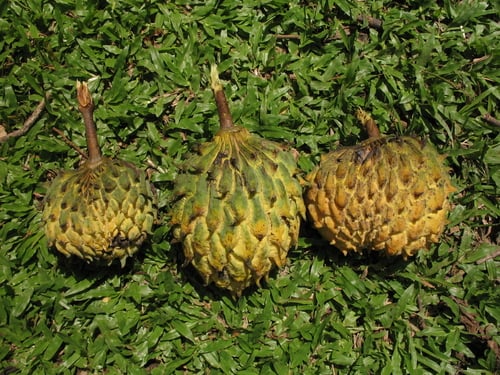
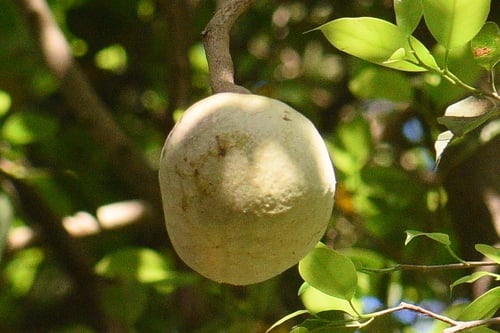
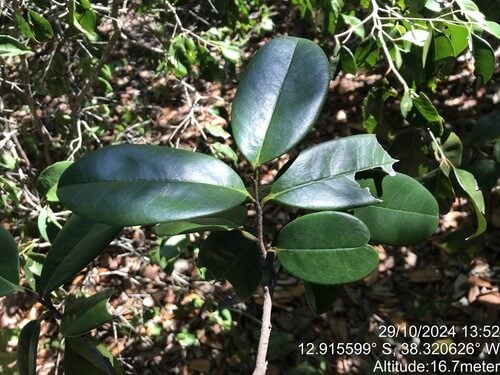
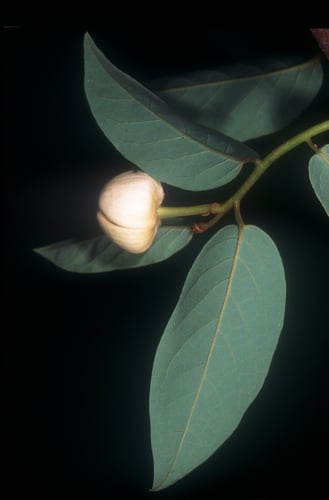
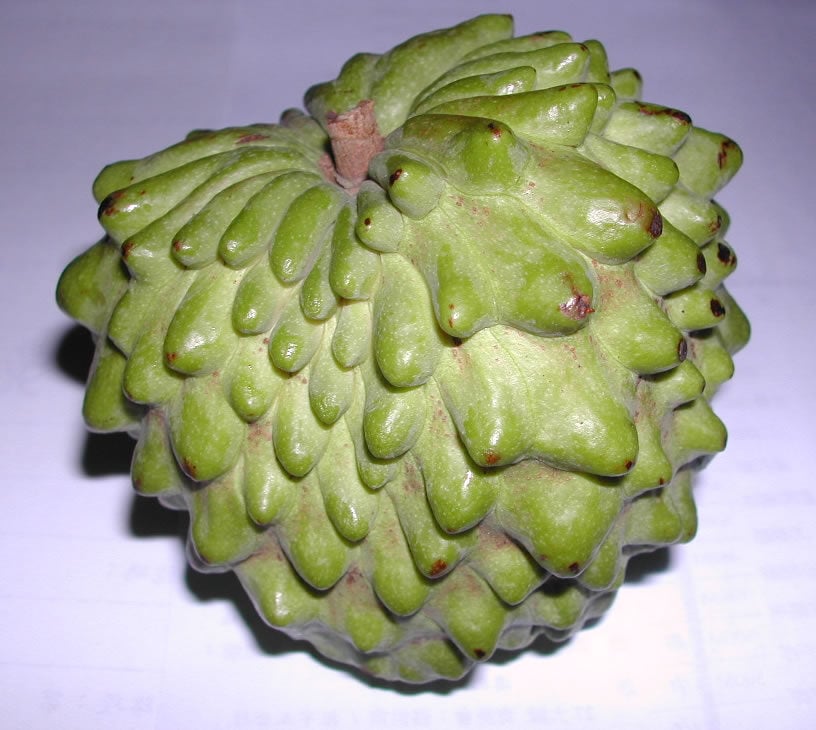
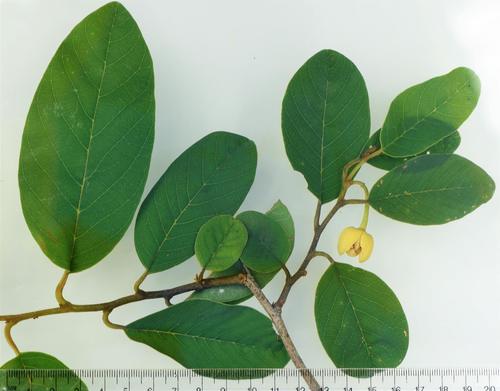
A woody climber or vine. It grows 2-4 m long. The leaves are large. The leaves are 30 cm long by 12 cm wide. The flowers are red or dark brown. There are a few flowers in a group. The fruit is made up of 5-50 small fruits. The fruit is round and 2.5 cm long. There are about 8 seeds in 2 rows.
Edible Uses
Fruit - sweetish. The fruit is composed of 5 - 50 distinct carpels (fruitlets); each fruitlet is berry-like, globose to cylindrical, up to 25mm long, containing a number of fairly large seeds.
Traditional Uses
The ripe fruit are fleshy, sweet and edible.
This uses section is brief — help expand it
Distribution
A tropical plant. It grows in the lowland in hedges and thickets.
Where It Grows
Asia, Cambodia, India, Indochina, Indonesia, Laos, Malaysia, Northeastern India, SE Asia, Sri Lanka, Thailand,
Cultivation
Plants can be grown from seeds.
Other Uses
The stems can be used like rope.
Synonyms
Also Known As
Akar pisang-pisang jantan, Bagh-ranga, Bagh-rungha, Bunga jari hutan, Kalak, Nom chang, Oyod kalah, Uvaria pepisangan, Vor chekprey
References (15)
- Ambasta, S.P. (Ed.), 2000, The Useful Plants of India. CSIR India. p 665 (As Uvaria cordata)
- Backer, C. A. &
- Burkill, I.H., 1966, A Dictionary of the Economic Products of the Malay Peninsula. Ministry of Agriculture and Cooperatives, Kuala Lumpur, Malaysia. Vol 2 (I-Z) p 2256 (As Uvaria macrophylla)
- Dobriyal, M. J. R. & Dobriyal, R., 2014, Non Wood Forest Produce an Option for Ethnic Food and Nutritional Security in India. Int. J. of Usuf. Mngt. 15(1):17-37 (As Uvaria cordata)
- Hedrick, U.P., 1919, (Ed.), Sturtevant's edible plants of the world. p 665 (As Uvaria cordata Schum. & Thonn. - Africa)
Show all 15 references Hide references
- Milow, P., et al, 2013, Malaysian species of plants with edible fruits or seeds and their evaluation. International Journal of Fruit Science. 14:1, 1-2 (As Uvaria cordata)
- Mohd, N. G. et al, 2014, A Preliminary Flora Survey in Gunung Kajang, Pulau Tioman, Pahang Darul Makmur, Malaysia. Malays. Appl. Biol. 43(2): 17-23 (As Uvaria macrophylla)
- PROSEA No. 2 (Also as Uvaria cordata)
- Singh, H.B., Arora R.K.,1978, Wild edible Plants of India. Indian Council of Agricultural Research, New Delhi. p 73 (As Uvaria cordata)
- Singh, V. B., et al, (Ed.) Horticulture for Sustainable Income and Environmental Protection. Vol. 1 p 220 (As Uvaria cordata)
- Sukarya, D. G., (Ed.) 2013, 3,500 Plant Species of the Botanic Gardens of Indonesia. LIPI p 986
- Turreira Garcia, N., et al, 2017, Ethnobotanical knowledgeof the Kuy and Khmer people in Prey Lang, Cambodia. Cambodian Journal of Natural History 2017 (1): 76-101
- WATT (As Uvaria macrophylla)
- Wild edible plants of Himachal Pradesh (As Uvaria cordata)
- World Checklist of Useful Plant Species 2020. Royal Botanic Gardens, Kew