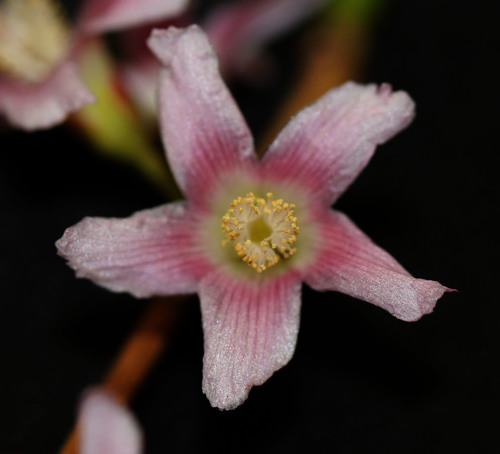
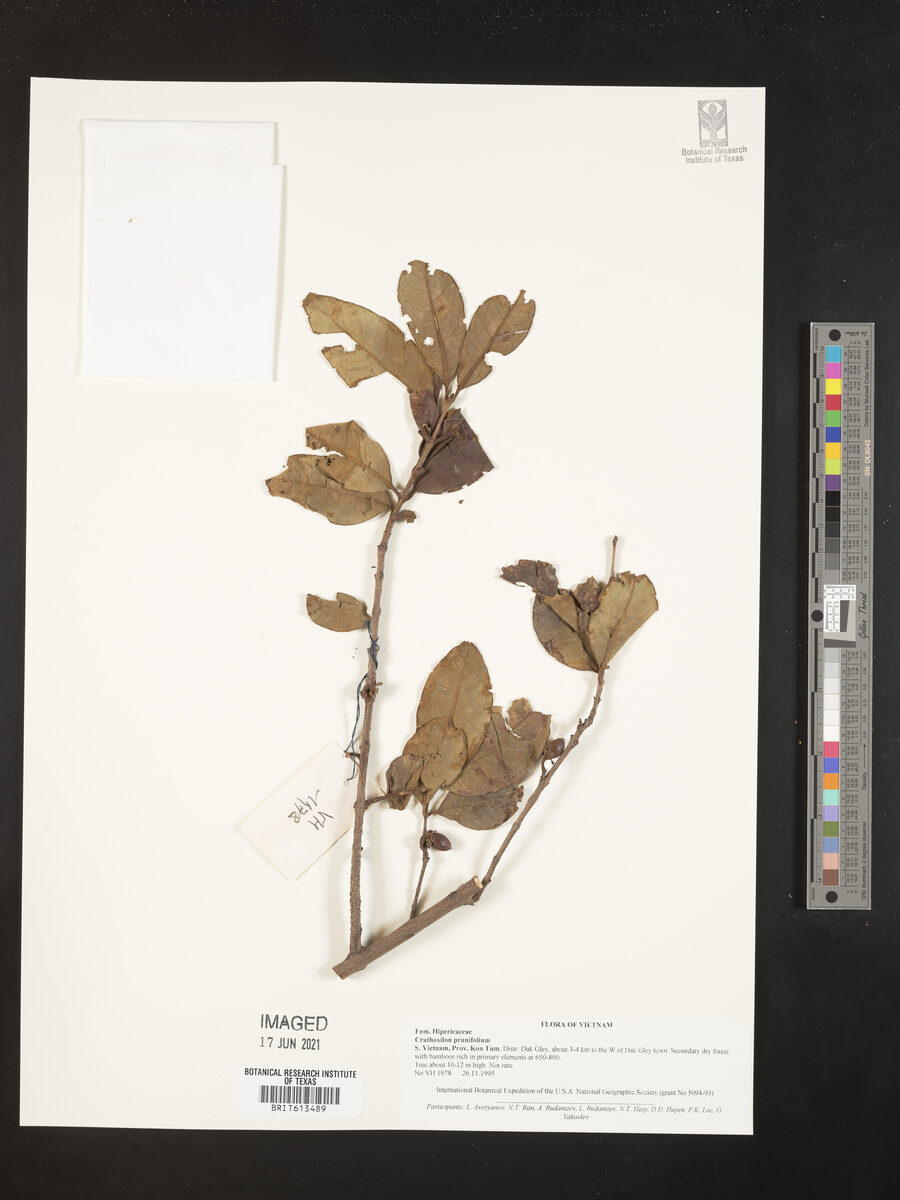
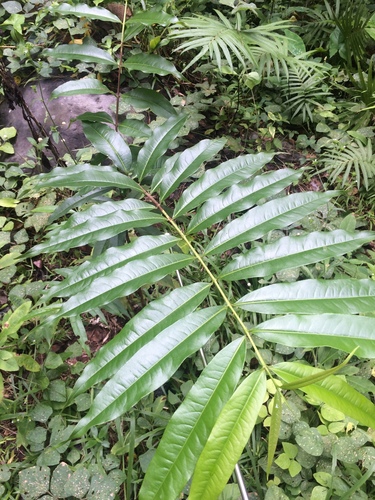
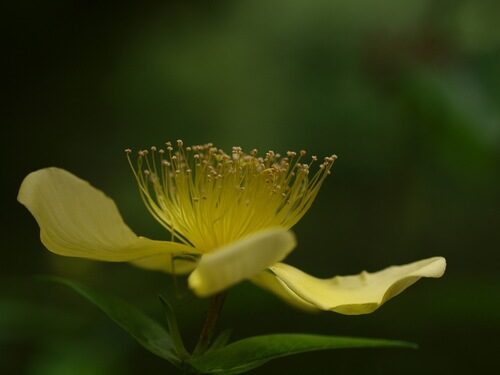
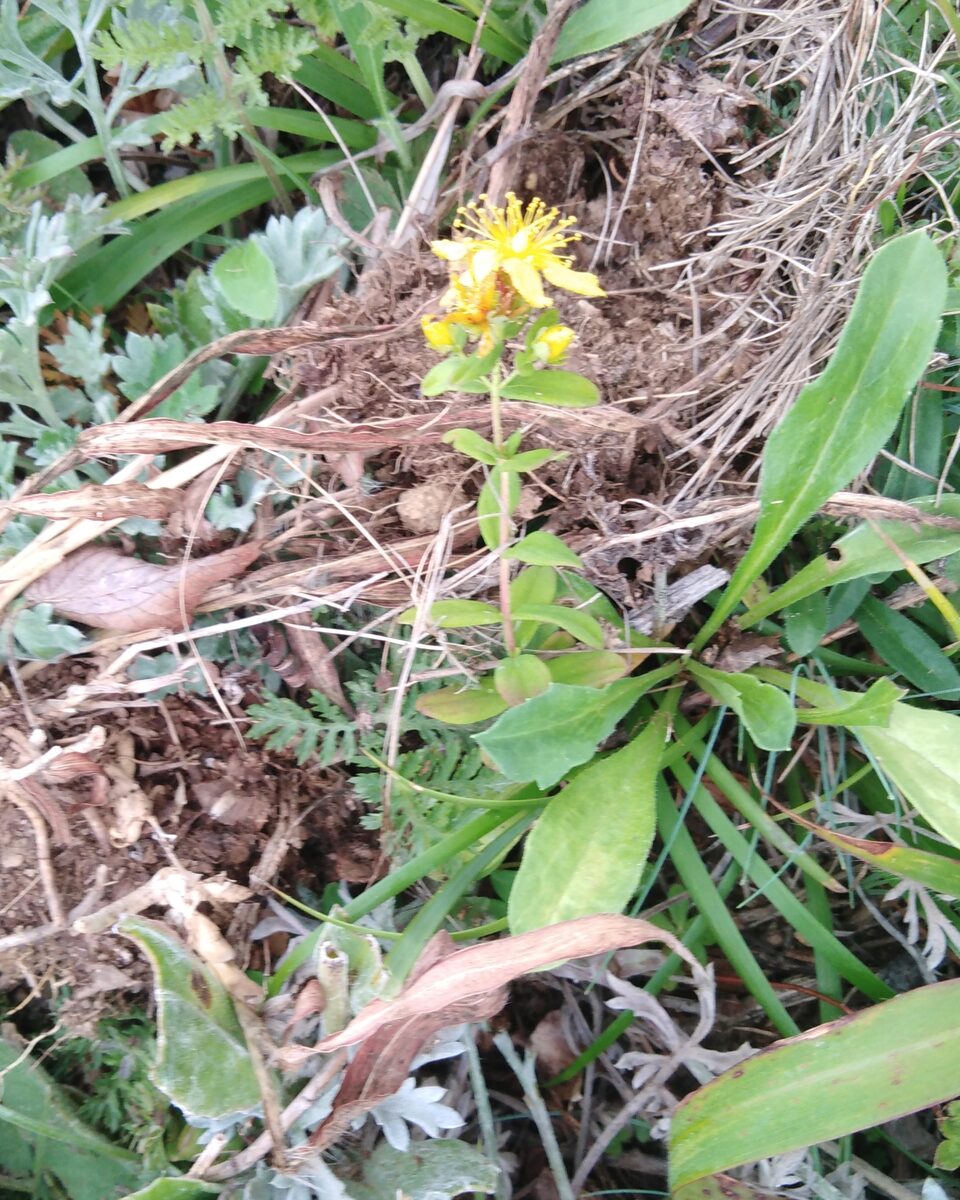
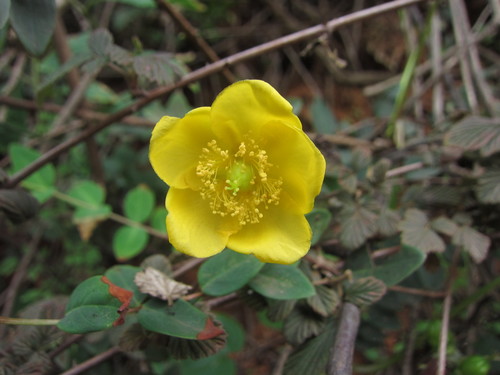
Vismia cayennensis
(Jacq.) Pers.
iNaturalist· cc-by-nc
(c) accidentalshrike, some rights reserved (CC BY-NC), uploaded by accidentalshrike
iNaturalist· cc-by-nc
(c) Olivier Fortune - Isabelle Delafosse, some rights reserved (CC BY-NC)
Description
A shrub or small tree in the Hypericaceae family, cultivated as a tropical plant.
This description is brief — help expand it
Edible Uses
The fruit are eaten.
Medicinal Uses
The juice from the macerated bark is applied around the groin region as an antiherpetic. An orange latex from inner bark is applied onto skin infections. The inner bark, with heavy latex content, is used in a decoction for a body-wash to treat skin rash, scabies and other cutaneous eruptions, dermatitis, and as a mouthwash for children's gum infections. The latex in the fruit is used for treating yaws and leishmaniasis. The latex is used in an ointment as an antipruritic, as an anti-fungal agent, or for treating scaling of the skin. Latex is used as an antiinfective agent. Latex is dropped into the eyes to cure infections.
Distribution
It is a tropical plant.
Where It Grows
Amazon, Brazil, Colombia, French Guiana, Guianas, Guyana, Peru, South America, Suriname, Trinidad & Tobago, Venezuela,
Cultivation
A plant of the moist tropics, most commonly found at lower elevations but also growing at elevations of 2,000 metres or more.
Other Uses
Although we have seen no specific information for this species, plants in this genus usually have a reddish to dark brown heartwood with a pinkish brown sapwood that often has a greyish cast, The wood is medium to fairly coarse textured; moderately light to medium in weight; inclined to be fibrous; brittle; easy to work; takes a fairly lustrous or lustrous finish; and is moderately durable. Because of its generally small size and low quality, it is only used locally - sometimes as a timber but more commonly for fuel.
Other Information
It is a cultivated plant.
Synonyms
Also Known As
Achiotillo, Carate, Lacre, Lacre-blanco, Manchamancha, Me pri re eijkwa kane, Papano, Pinga, Pinja, Pi pa nhe kati kayre, Sangregao, Sangro
References (4)
- Kermath, B. M., et al, 2014, Food Plants in the Americas: A survey of the domesticated, cultivated and wild plants used for Human food in North, Central and South America and the Caribbean. On line draft. p 916
- Kew Plants of the World Online
- Poset, D. A., 2002, Kayapo Ethnoecology and Culture. Routledge
- Roa, J. A. G. & Boada, D. S. G., 2018, Fundación para el Fortalecimiento de la Fruticultura y Plantas Alimenticias no Convencionales en Colombia.