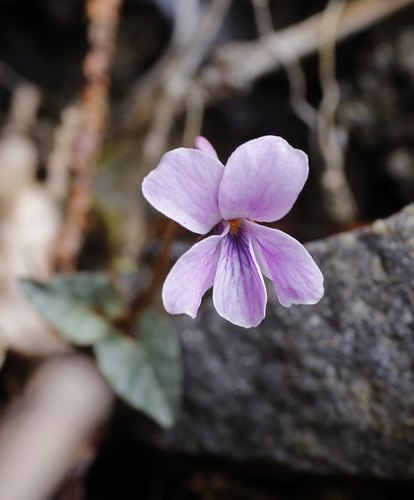
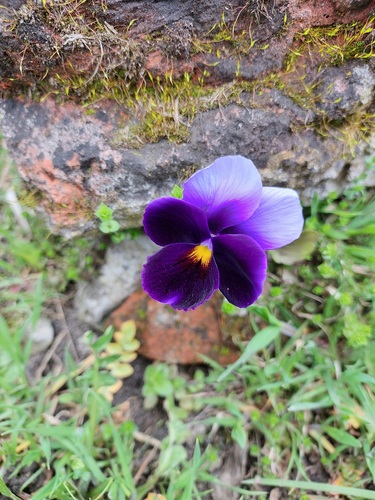
Viola tokubuchiana
Makino
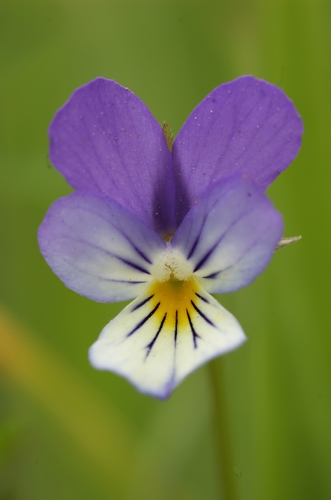
iNaturalist· cc-by-nc
(c) cochejobson, some rights reserved (CC BY-NC)
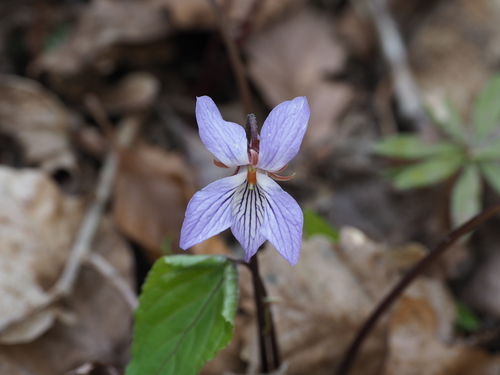
iNaturalist· cc-by-nc
(c) 空猫 T. N, some rights reserved (CC BY-NC), uploaded by 空猫 T. N
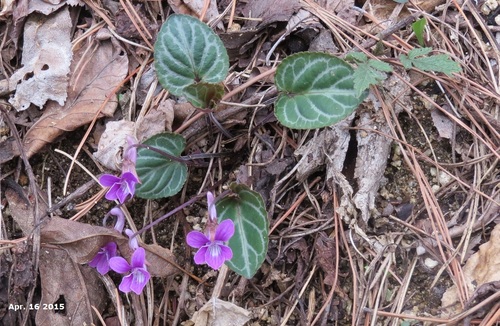
iNaturalist· cc-by-nc
(c) Mizuki Shimoda, some rights reserved (CC BY-NC), uploaded by Mizuki Shimoda
Summary
Viola tokubuchiana is a small perennial reaching 10cm tall, flowering April to May. It is hermaphroditic and insect-pollinated. This species tolerates light sandy, medium loamy, or heavy clay soils with good drainage, accepting mildly acidic to neutral pH. It grows in semi-shade or full sun and prefers moist soil.
Description
Viola tokubuchiana is a small perennial reaching 10cm tall, flowering April to May. It is hermaphroditic and insect-pollinated. This species tolerates light sandy, medium loamy, or heavy clay soils with good drainage, accepting mildly acidic to neutral pH. It grows in semi-shade or full sun and prefers moist soil.
Edible Uses
Young leaves and flower buds can be eaten raw or cooked. Added to soups, they work as a thickener in a similar way to okra. Some caution is advised if the plant produces yellow flowers, as these can cause diarrhoea when eaten in large quantities. The leaves can also be brewed into a tea.
Medicinal Uses
None known.
Distribution
It is a temperate plant.
Where It Grows
Asia, Japan, Korea, Manchuria,
Cultivation
We have very little information on this species and do not know if it will be hardy in Britain, though judging by its native range it should succeed outdoors in most parts of the country. The following notes are based on the general needs of the genus. Prefers a cool moist well-drained humus-rich soil in partial or dappled shade and protection from scorching winds. Tolerates sandstone and limestone soils but becomes chlorotic if the pH is too high. Prefers a pH between 6 and 6.5. All members of this genus have more or less edible leaves and flower buds, though those species with yellow flowers can cause diarrhoea if eaten in large quantities.
Propagation
Sow seed in autumn in a cold frame for best results; stored seed can be sown in early spring in a cold frame. Prick seedlings into individual pots once large enough to handle and plant out in summer. Divide plants in autumn or just after flowering. Larger divisions can go directly into their permanent positions, but smaller divisions do better potted up and grown on in light shade in a greenhouse or cold frame until established, then planted out in summer or the following spring.
Other Uses
None known.
Notes
There are about 500 Viola species.
References (2)
- Bot. Mag. (Tokyo) 16:129. 1902
- Plants for a Future database, The Field, Penpol, Lostwithiel, Cornwall, PL22 0NG, UK. http://www.scs.leeds.ac.uk/pfaf/