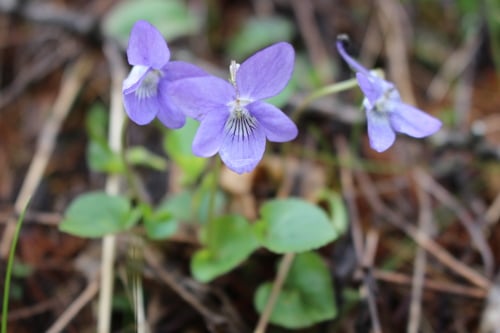
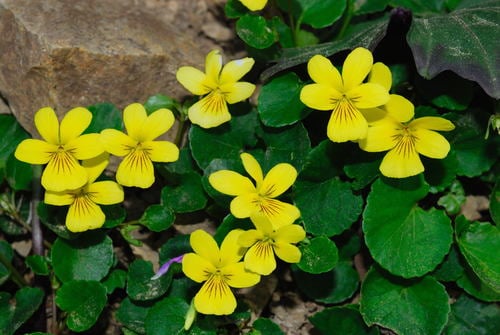
Viola striata
Aiton
Pale violet
iNaturalist· cc-by-nc
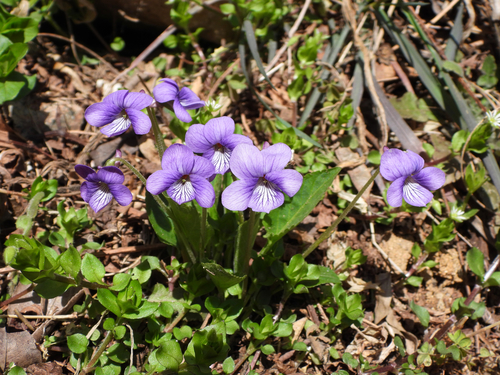
(c) Dan Spaulding, some rights reserved (CC BY-NC), uploaded by Dan Spaulding
iNaturalist· cc-by-nc
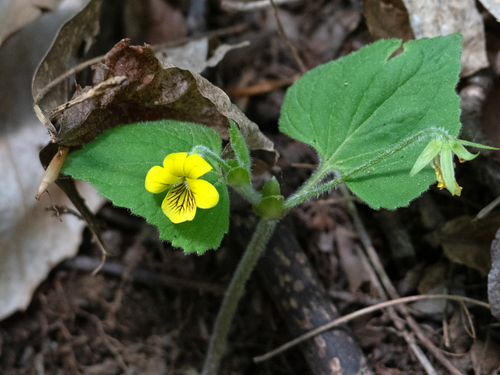
(c) Bill Stitt, some rights reserved (CC BY-NC), uploaded by Bill Stitt
iNaturalist· cc-by-nc
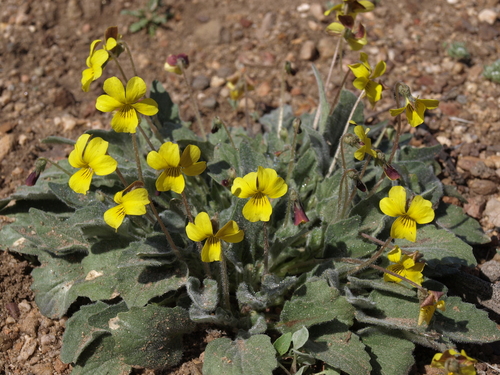
(c) theforeman, some rights reserved (CC BY-NC)
Summary
Source: WikipediaViola striata is a species of violet known by the common names striped cream violet and creamy violet. It is native to eastern North America, with its distribution being centered in interior areas away from the coastal plain. Its preferred habitat is mesic forests. It is a small, caulescent, perennial herb that has purple-striped white flowers in the spring. The leaves and blossoms are edible; the latter can be used to make jelly.
Description
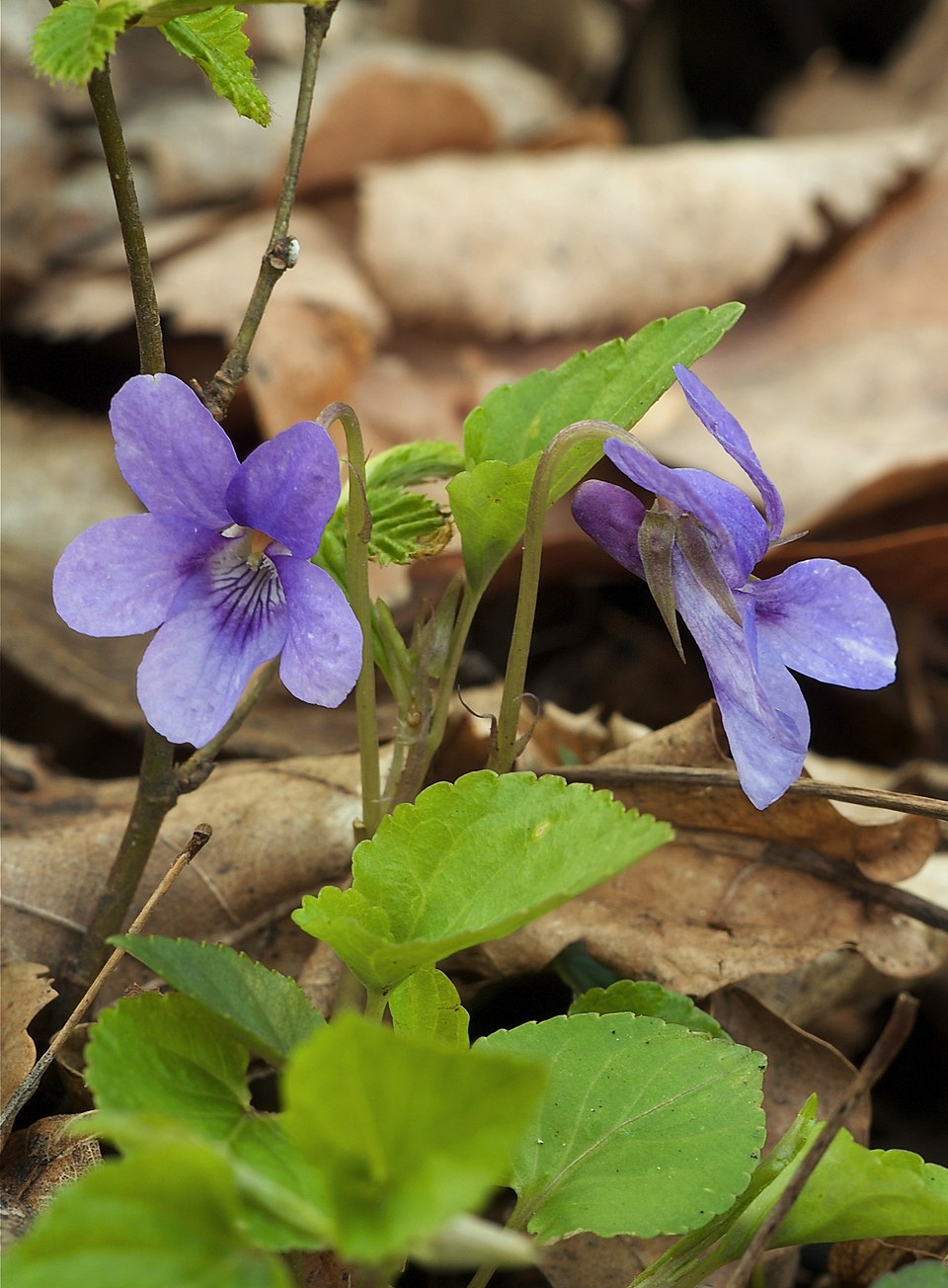
A low herb. It keeps growing from year to year. It has a short thick underground stem or rhizome. The leaves at the base turn white quickly. The leaves on the stem are simple and 3-8 cm long. They are almost round and wider near the base and with a pointed tip. There are teeth along the edge. The leaf stalk is long. The flowers are cream or white. Each flower has a slender stalk. The flowers have 5 petals with purple veins. The fruit are round capsules. These are 5-10 mm long.
Edible Uses
The blossoms can be eaten fresh or made into jams, jellies, syrup, or candy. The leaves and flowers can be eaten raw or boiled and served as a vegetable.
Traditional Uses
The blossoms can be eaten fresh or made into jams, jellies, syrup or candy. The leaves and flwoers can be eaten raw or boiled and served as a vegetable.
Distribution
It is a temperate plant. It grows in damp soil.
Where It Grows
North America, USA,
Cultivation
It can be grown from seeds.
Notes
There are about 500 Viola species. It is rich in Vitamin C.
References (3)
- Elias, T.S. & Dykeman P.A., 1990, Edible Wild Plants. A North American Field guide. Sterling, New York p 96
- Esperanca, M. J., 1988. Surviving in the wild. A glance at the wild plants and their uses. Vol. 2. p 126
- Hort. kew. ed. 1, 3:290. 1789