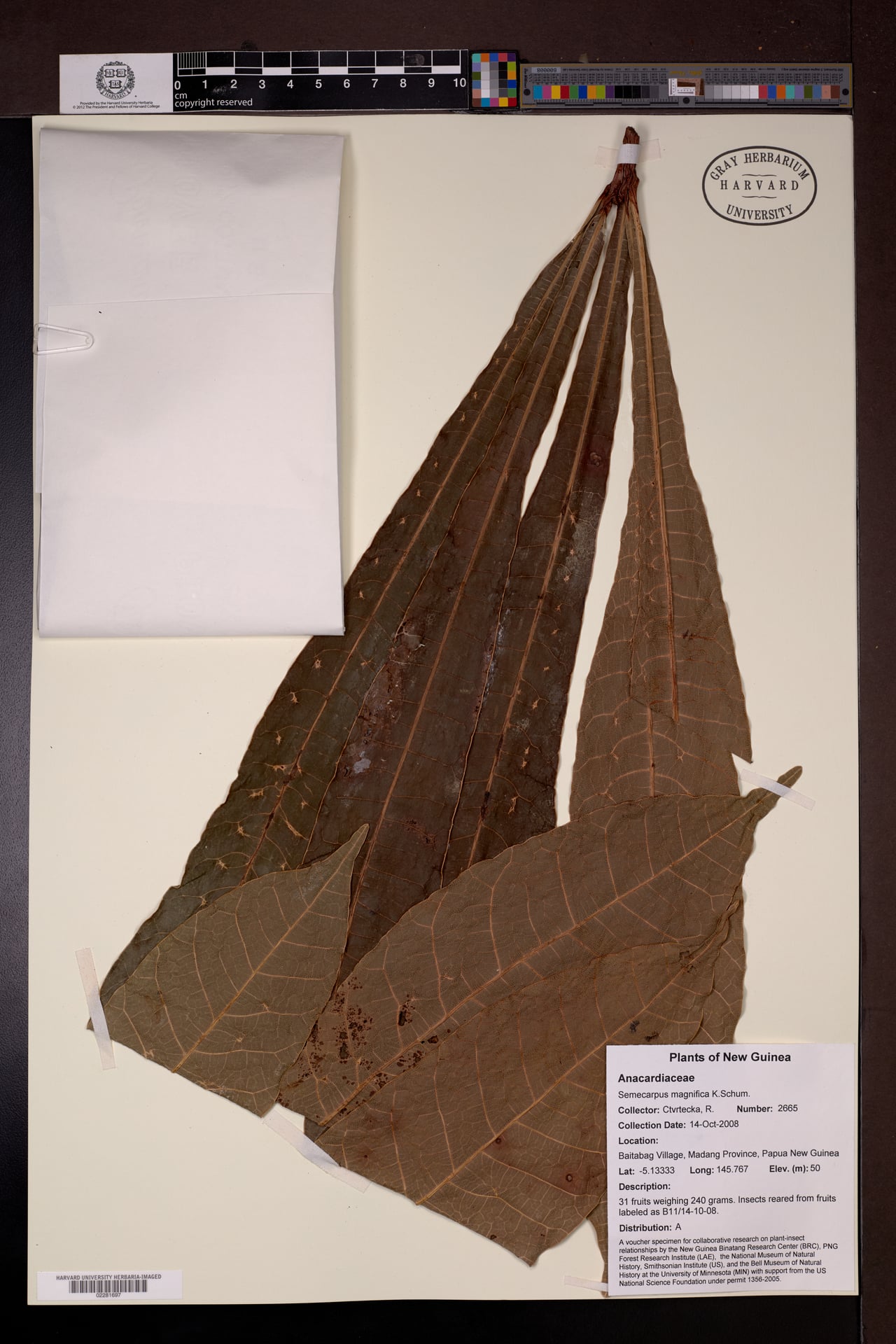
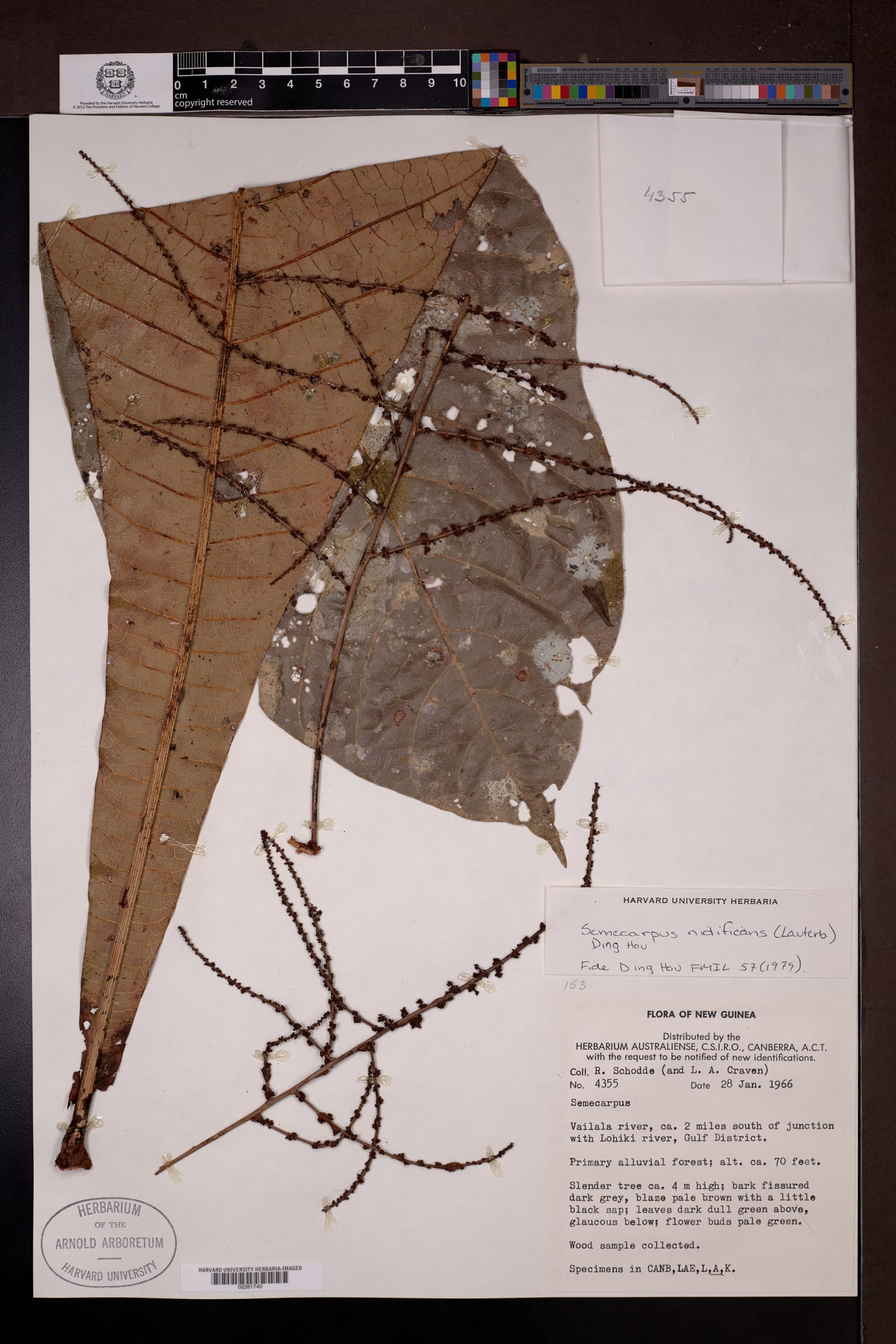
Tapirira obtusa
(Benth.) J. D. Mitch.
Jaobo, Jobo
iNaturalist· cc-by-nc
(c) Sébastien SANT, some rights reserved (CC BY-NC), uploaded by Sébastien SANT
iNaturalist· cc-by-nc
(c) Sébastien SANT, some rights reserved (CC BY-NC)
Summary
Source: WikipediaTapirira obtusa is a species of plant in the family Anacardiaceae. It is native to South America and can be found in Bolivia, Brazil, Colombia, Ecuador, French Guiana, Guyana, Suriname, and Venezuela.
Description
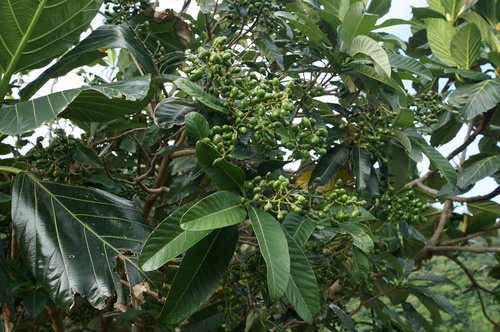
An evergreen tree. It grows 8-12 m tall. The trunk is 40-60 cm across. The crown is rounded. The fruit are dark purple and 10-15 mm long. They have a juicy pulp.
Edible Uses
The fruit are eaten fresh for their juicy pulp.
Medicinal Uses
The fruits are used as a treatment for ulcers.
Distribution
It is a tropical plant. It grows in the rainforest and the savannah. It is often near rivers and at the bottom of slopes.
Where It Grows
Amazon, Bolivia*, Brazil, Colombia, Ecuador, Guyana, Peru, South America, Venezuela,
Cultivation
Plants are grown from fresh seed.
Propagation
Seed - best sown as soon as it is ripe in a partially shaded position in a nursery seedbed. A high germination rate can usually be expected, with the seed sprouting within 15 - 30 days. When the seedlings are 4 - 6cm tall, pot them up into individual containers and they should be ready to plant out when 30cm tall. The seed has a short viability of around 60 days.
Other Uses
The wood is light in weight, soft, moderately durable in contact with the soil and easy to work with. It is used in ship building, cabinet making, for light wooden crates and boxes, general carpentry etc.
Production
It is reasonably fast growing.
Synonyms
Also Known As
Cajui, Pau-pombo, Peito-de-pomba, Tatapiririca
References (5)
- http://floradobrasil.jbrj.gov.br/jabot/floradobrasi (syn. Tapirira marchandii)
- Johnson, M. and Colquhoun, A., 1996, Preliminary Ethnobotanical Survey of Kurupukari: An Amerindian Settlement of Central Guyana. Economic Botany, Vol. 50, No. 2, pp. 182-194 (As Tapirira marchandii)
- Kermath, B. M., et al, 2014, Food Plants in the Americas: A survey of the domesticated, cultivated and wild plants used for Human food in North, Central and South America and the Caribbean. On line draft. p 857
- Roa, J. A. G. & Boada, D. S. G., 2018, Fundación para el Fortalecimiento de la Fruticultura y Plantas Alimenticias no Convencionales en Colombia.
- www.colecionandofrutas.org