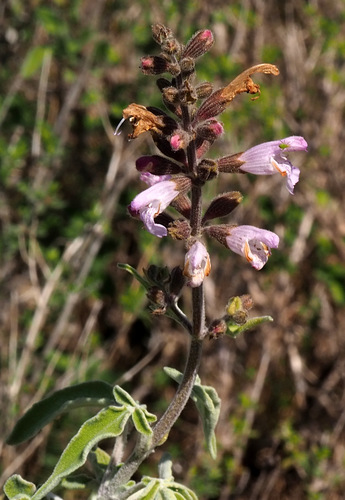
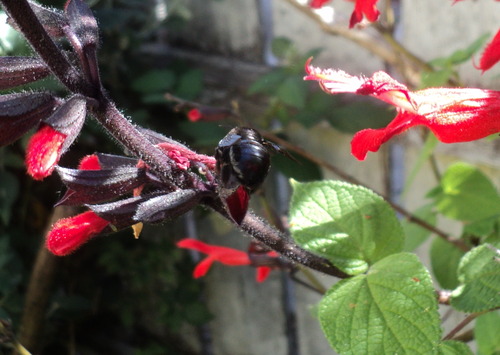
Thymus sipyleus
Boiss.
iNaturalist· cc-by-nc
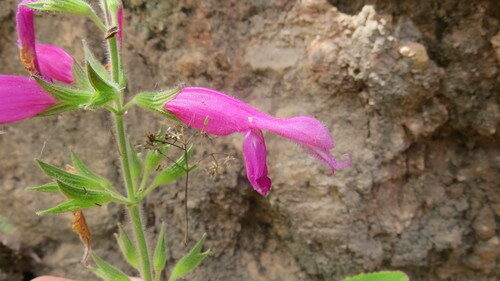
(c) kemytkawon, some rights reserved (CC BY-NC)
iNaturalist· cc-by-nc
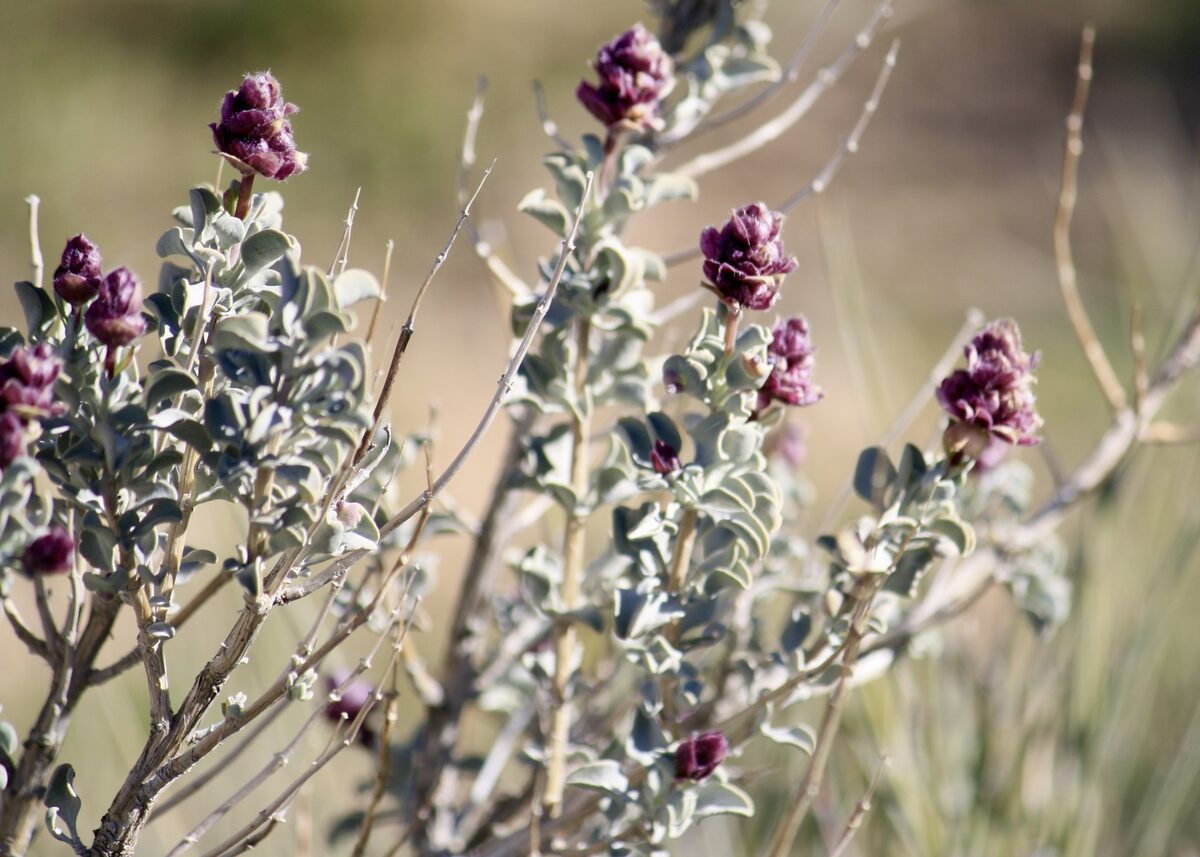
(c) albach, some rights reserved (CC BY-NC)
iNaturalist· cc-by-nc
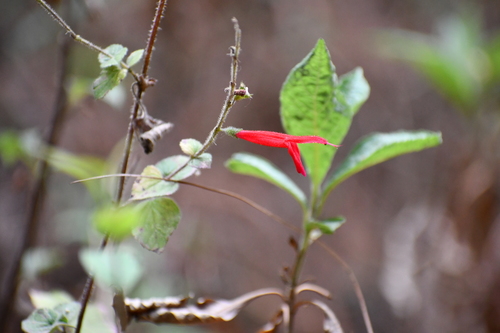
(c) albach, some rights reserved (CC BY-NC)
Description
A temperate or Mediterranean herb in the mint family (Lamiaceae) sold in local markets. The leaves are commonly used as a spice and flavouring, while the flowers and leaves can also be prepared as tea.
Edible Uses
The leaves are used as a spice or flavouring, and can be made into tea. The flowers are also edible.
Traditional Uses
The leaves are used as a spice or flavouring.
This uses section is brief — help expand it
Medicinal Uses
The leaves are used as a spice or flavouring.
Distribution
It is a temperate or Mediterranean plant.
Where It Grows
Armenia, Caucasus, Mediterranean, Turkey, Türkiye,
Other Information
It is sold in local markets.
Synonyms
Also Known As
Anix, Kekik, Onix, Sipil kekigi
References (8)
- Dogan, Y., et al, 2004, The Use of Wild Edible Plants in Western and Central Anatolia (Turkey). Economic Botany 58(4) pp. 684-690
- Ertug, F, Yenen Bitkiler. Resimli Türkiye Florası -I- Flora of Turkey - Ethnobotany supplement
- Gunes, S. et al, 2018, Survey of wild food plants for human consumption in Karaisali (Adana-Turkey). Indian Journal of Traditional Knowledge. Vol. 17(2), April 2018, pp 290-298 (As Thymus sipyleus subsp. sipyleus)
- Hovsepyan, R., et al, 2016, Food as a marker for economy and part of identity: traditional vegetal food of Yezidis and Kurds in Armenia. Journal of Ethnic Foods. 3:32-41 (As Thymus rariflorus)
- Nanagulyan, S., et al, 2020, Wild plants and fungi sold in the markets of Yerevan (Armenia). Journal of Ethnobiology and Ethnomedicine 16:26 (As Thymus rariflorus)
Show all 8 references Hide references
- Polat, R., et al, 2017, Survey of wild food plants for human consumption in Bingol, (Turkey). Indian Journal of Traditional Knowledge. Vol. 16(3) July 2017, pp. 378-384
- Rivera, D. et al, 2006, Gathered Mediterranean Food Plants - Ethnobotanical Investigations and Historical Development, in Heinrich M, Müller WE, Galli C (eds): Local Mediterranean Food Plants and Nutraceuticals. Forum Nutr. Basel, Karger, 2006, vol 59, pp 18–74
- Senkardes, I & Tuzlaci, E., 2016, Wild Edible Plants of Southern Part of Nevsehir inTurkey. Marmara Pharmaceutical Journal 20:34-43