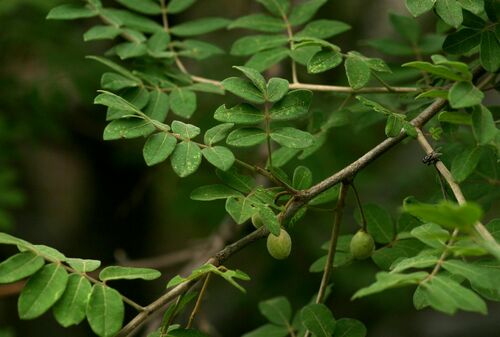
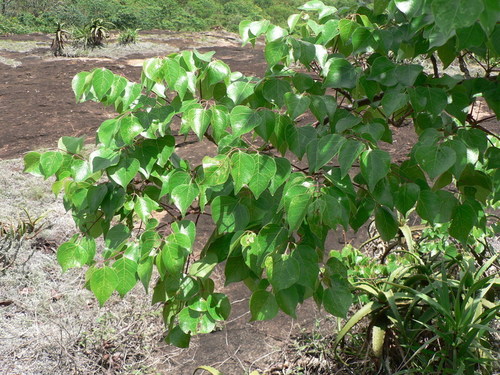
Protium giganteum
Engl.
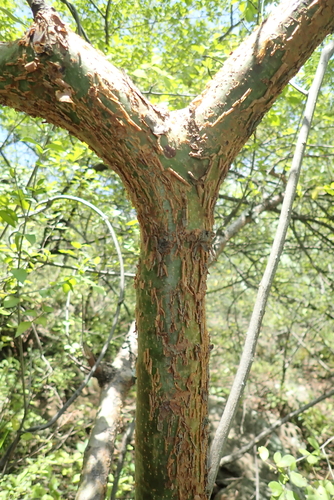
iNaturalist· cc-by-nc
(c) Tarciso Leão, some rights reserved (CC BY-NC), uploaded by Tarciso Leão
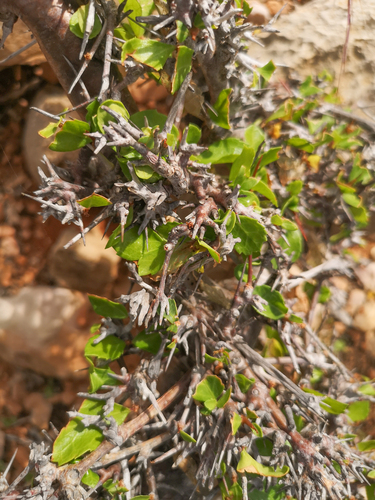
iNaturalist· cc-by-nc
(c) Tarciso Leão, some rights reserved (CC BY-NC), uploaded by Tarciso Leão
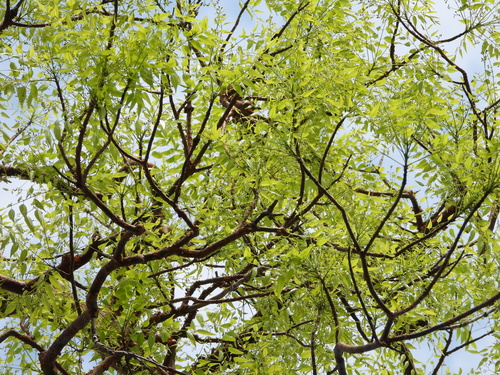
iNaturalist· cc-by-nc
(c) Tarciso Leão, some rights reserved (CC BY-NC), uploaded by Tarciso Leão
Description
A tropical tree in the Burseraceae family that produces edible fruit.
This description is brief — help expand it
Edible Uses
The fruit is eaten.
Distribution
It is a tropical plant.
Where It Grows
Amazon, Brazil, South America,
Cultivation
Most, if not all, species in this genus are dioecious, both male and female forms need to be grown if fruit and seed are required.
Other Uses
We have no specific information for this species, but many members of this genus are valued for the whitish and fragrant resin (suggesting incense) that exudes freely from the bark, and which hardens upon exposure to the air. The heartwood is a dark, reddish-brown; it is clearly demarcated from the deep, pinkish-brown sapwood. The texture is medium; the grain straight or roey. The wood is heavy, hard, strong, compact and durable. It is not difficult to work and takes a smooth polish. It is used for general construction. We have no more information on the wood of this species, but a general description of the wood for tropical American members of this genus is as follows:- The heartwood is brown or reddish-brown, sometimes with irregularly spaced darker brown lines; it is not always sharply demarcated from the pale buff to pinkish sapwood. The texture varies from rather fine to fairly coarse; grain straight to very irregular and interlocked; lustre is rather high; dry specimens are without any distinctive odour or taste. Silica is reported for some species. The wood is generally reported to have a low resistance to attack by decay fungi and is vulnerable to dry-wood termites; it has no appreciable resistance to marine borers. Reports on seasoning vary from fairly easy to air dry to moderately difficult. Logs should be debarked prior to sawing to avoid resin accumulation on cutters and equipment. The dry wood works easily and rates fair to good in all operations; it cuts easily into veneers but tends to buckle on drying; some species are abrasive because of the silica content. The wood is used for purposes such as furniture, millwork, veneer and plywood, general construction, particleboard; it is a possible substitute for birch.
Synonyms
Also Known As
Breu-branco
References (1)
- Kermath, B. M., et al, 2014, Food Plants in the Americas: A survey of the domesticated, cultivated and wild plants used for Human food in North, Central and South America and the Caribbean. On line draft. p 706