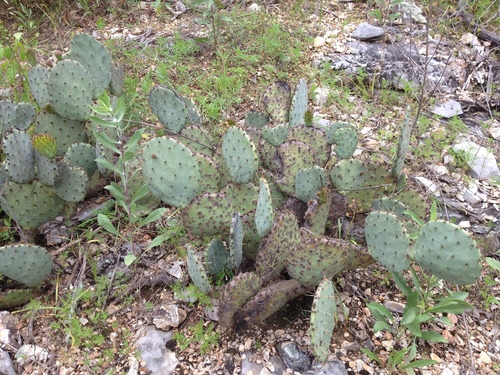
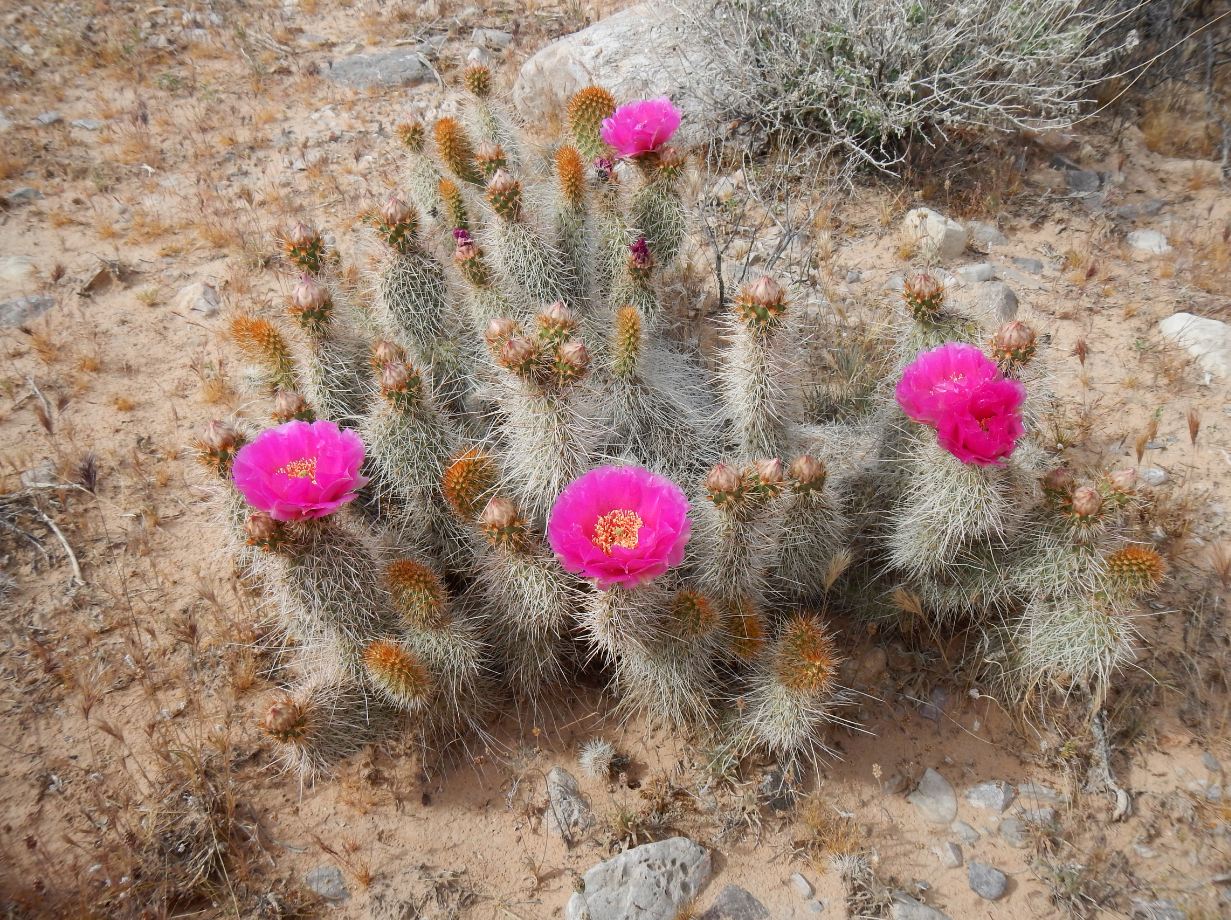
Opuntia joconostle
F. A. C. Weber
Xoconostle
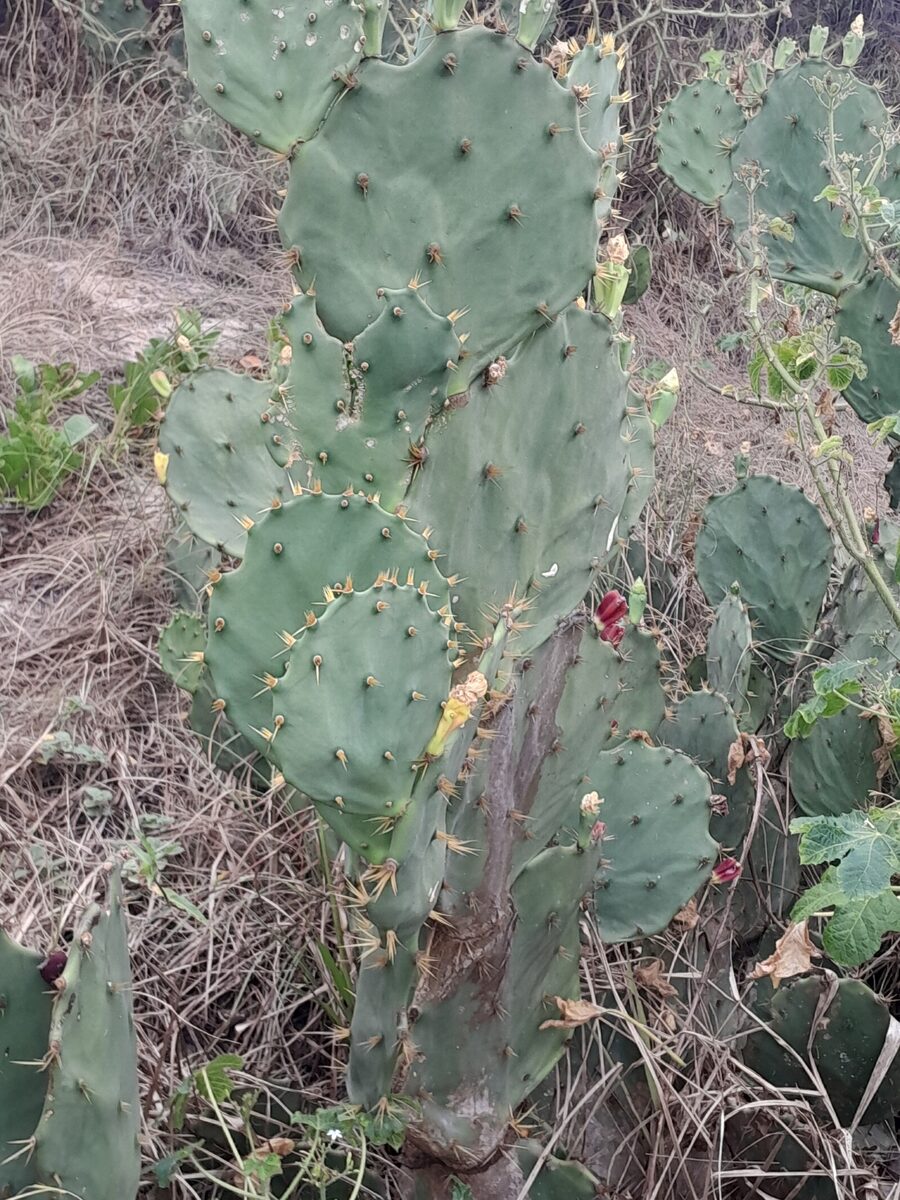
iNaturalist· cc-by-nc
(c) Pedro Nájera Quezada, some rights reserved (CC BY-NC), uploaded by Pedro Nájera Quezada
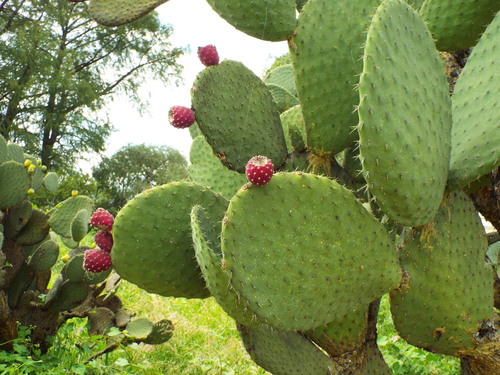
iNaturalist· cc-by-nc
(c) Pedro Nájera Quezada, some rights reserved (CC BY-NC), uploaded by Pedro Nájera Quezada
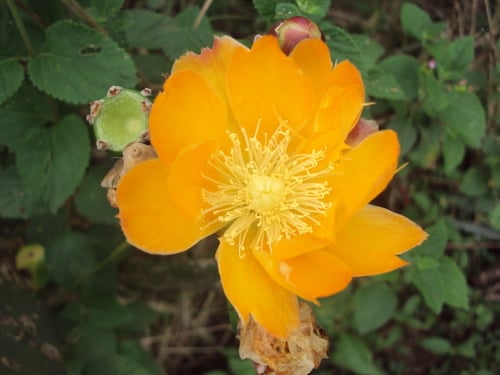
iNaturalist· cc-by-nc
(c) Pedro Nájera Quezada, some rights reserved (CC BY-NC), uploaded by Pedro Nájera Quezada
Description
A tropical cactus in the family Cactaceae with pink fruit. Both the stems and fruit are edible and commonly used.
This description is brief — help expand it
Edible Uses
The fruits were a reliable summer food for Native American tribes. The Tohono O'odham of the Sonoran Desert in particular classified the fruits by color, time of ripening, and how well they kept in storage. O. engelmannii is cultivated as an ornamental plant, for use in drought tolerant gardens, container plantings, and natural landscaping projects. O. engelmannii has also been used as a living hedge and cattle fodder. These functions, paired with a capacity to survive drought, led to its import to various locations in Africa.
Medicinal Uses
The fruits and stem segments of this and many other species of Opuntia are commonly used in traditional medicine in Mexico as a treatment and prevention of type 2 diabetes. Research has shown that the mesocarp of the fruit and the stem segments (but especially the mesocarp of the fruit) possess a glucose- and lipid-lowering effect in both healthy people and those suffering from type 2 diabetes. This suggests that the frequent consumption of the plant in the diet helps to prevent and control the complications associated with type-2 diabetes mellitus..
Known Hazards
The plant has numerous minutely barbed glochids - these are barbed spines that are usually small to minute and are very sharp and brittle. The glochids are very easily dislodged when the plant is touched and can penetrate the skin where, because of their barbs, they become stuck and are very difficult to see and remove. They can cause considerable irritation and discomfort. Opuntia species can contain quite high levels of oxalic acid, especially in older parts of the plant. Perfectly alright in small quantities, foods containing oxalic acid should not be eaten in large amounts since it can lock-up other nutrients in the food, especially calcium, thus causing mineral deficiencies. The oxalic acid content will be reduced if the plant is cooked. People with a tendency to rheumatism, arthritis, gout, kidney stones or hyperacidity should take especial caution if including this plant in their diet since it can aggravate their condition.
Distribution
It is a tropical plant.
Where It Grows
Mexico,
Cultivation
The mature fruit is persistent on the plant, it has been observed to remain on the cladodes for 12 months or more in edible condition
Also Known As
Joconoxtle, Manso, Manzano, Nopal hediondo, Tempranilla, Xoconostle
References (6)
- Caballero, J. N., & Mapes, C. S., 1985, Gathering and Subsistence Patterns among the P'urhepecha Indians of Mexico. J. Ethnol. 5(1): 31-47
- Gallegos-Vazquez, C., et al, 2012, Morphological diversity of xoconostles (Opuntia spp.) or acidic cactus pears: A Mexican contribution to functional foods. Fruits, Vol. 67, p. 109-220
- Hernandez-Fuentes, A. D., et al, 2015, Physicochemical variability and nutritional and functional characteristics of xoconostles (Opuntia spp.) accessions from Mexico. Fruits, Vol. 70(2), p. 109-116
- Kermath, B. M., et al, 2014, Food Plants in the Americas: A survey of the domesticated, cultivated and wild plants used for Human food in North, Central and South America and the Caribbean. On line draft. p 587
- Mapes, C. & Basurto, F., 2016, Biodiversity and Edible Plants of Mexico. Chapter 5 in R. Lira, et al. (eds.), Ethnobotany of Mexico, Ethnobiology, Springer. p 95
Show all 6 references Hide references
- Segura, S. et al, 2018, The edible fruit species in Mexico. Genet Resour Crop Evol (2018) 65:1767–1793