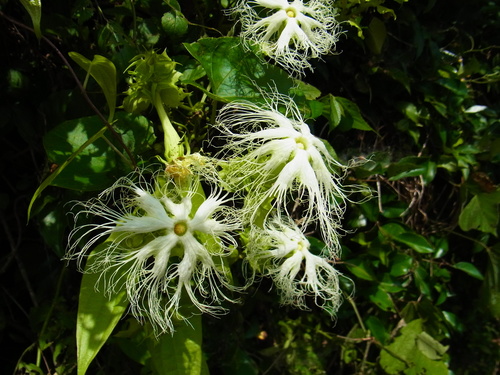
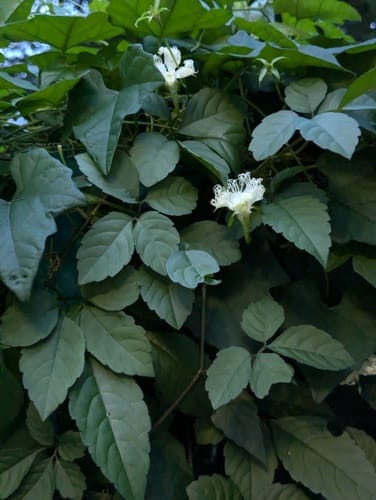
Luffa operculata
(L.) Cogn.
Sponge cucumber
iNaturalist· cc-by
(c) Francisco Farriols Sarabia, some rights reserved (CC BY), uploaded by Francisco Farriols Sarabia
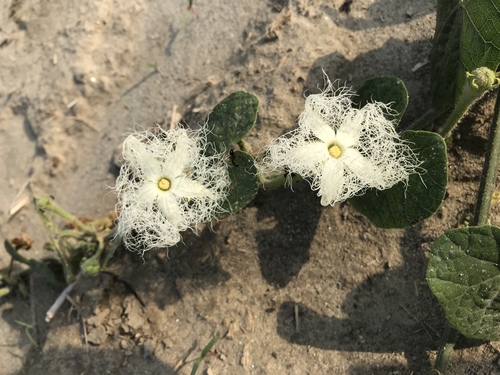
iNaturalist· cc-by-sa
(c) H. Zell, some rights reserved (CC BY-SA)
iNaturalist· cc-by-nc
(c) J. Fernando Pío León, some rights reserved (CC BY-NC), uploaded by J. Fernando Pío León
Summary
Source: WikipediaLuffa operculata (common name, sponge cucumber, wild loofa, buchinha in Brazil or mướp xơ in Vietnamese) is a species of Luffa native to South and Central America. It is cultivated for its fruit, which when fully ripe is strongly fibrous and is used as a fibrous scrubbing sponge for household cleaning. The fruit is a capsule with spikes. The fruit is dark-brown when mature. It is also grown in gardens and yards as an ornamental plant. In colder places they can be grown indoors as a houseplant. The species name is derived from the word, operculum, meaning "little lid." When the fruits are mature, and the seeds are ready to be dispersed, a small part of the bottom tip (blossom end) opens up. Then, the seeds fall to the ground. Luffa is used as an herbal remedy, with some pharmacological activity found in animal tests and insufficient data proving effectiveness in humans. Its use in homeopathy is diluted many times, with insufficient material to produce any effect, and not approved by any official United States government regulatory agencies.
Description
A pumpkin family herb. The flowers are yellow. The fruit is dark brown when mature.
This description is brief — help expand it
Edible Uses
Young fruits of non-bitter varieties are eaten cooked.
Traditional Uses
Young fruits of non-bitter varieties are eaten cooked.
This uses section is brief — help expand it
Distribution
It is a tropical plant.
Where It Grows
Asia, Brazil, SE Asia, South America, Vietnam,
Synonyms
Also Known As
Buchinha-do-nordeste, Cabacinha, Esponja vegetal
References (1)
- Kermath, B. M., et al, 2014, Food Plants in the Americas: A survey of the domesticated, cultivated and wild plants used for Human food in North, Central and South America and the Caribbean. On line draft. p 497