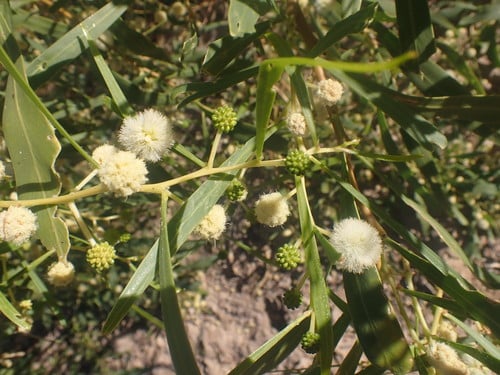
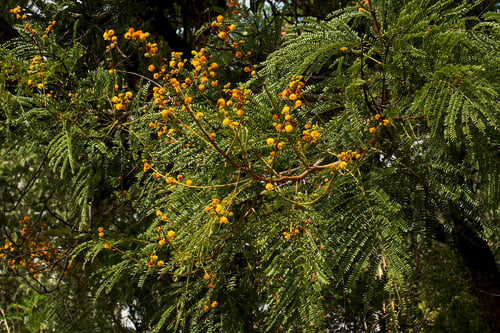
Inga pruriens
Poepp.
Irritant inga
gbif· cc-by-nc
Louisiana State University, Shirley C. Tucker Herbarium (LSU-Vascular Plants)
gbif· cc-by-nc
Arizona State University Vascular Plant Herbarium (ASU-Plants)
gbif· cc-by-nc
Arizona State University Vascular Plant Herbarium (ASU-Plants)
Description
A tropical tree in the Fabaceae family with long pod fruits. It grows readily from fresh seeds, which germinate within 1-2 weeks in moist, shaded conditions.
Edible Uses
The pulp of the fruit pods is eaten.
Traditional Uses
The pulp of the fruit is eaten.
This uses section is brief — help expand it
Distribution
It is a tropical plant.
Where It Grows
Amazon, Brazil, Colombia, Ecuador, Peru, South America,
Cultivation
Plants grow easily from fresh seeds. Seeds germinate in 1-2 weeks given moisture and shade.
Synonyms
Also Known As
Coto shupa shimbillo, Huapo shimbillo, Pacae colorado, Rosca pacai
References (6)
- Grandtner, M. M. & Chevrette, J., 2013, Dictionary of Trees, Volume 2: South America: Nomenclature, Taxonomy and Ecology. Academic Press p 325
- Kermath, B. M., et al, 2014, Food Plants in the Americas: A survey of the domesticated, cultivated and wild plants used for Human food in North, Central and South America and the Caribbean. On line draft. p 444
- Kew Plants of the World On line
- Lopez-Diago, D. & Garcia, N., 2021, Wild edible fruits of Colombia. Biota ColomBiana 22 (2) p 38
- Roa, J. A. G. & Boada, D. S. G., 2018, Fundación para el Fortalecimiento de la Fruticultura y Plantas Alimenticias no Convencionales en Colombia.
Show all 6 references Hide references
- Vasquez, R. and Gentry, A. H., 1989, Use and Misuse of Forest-harvested Fruits in the Iquitos Area. Conservation Biology 3(4): 350f