Samanea tubulosa
(Benth.) Barneby & J. W. Grimes
Tubular saman
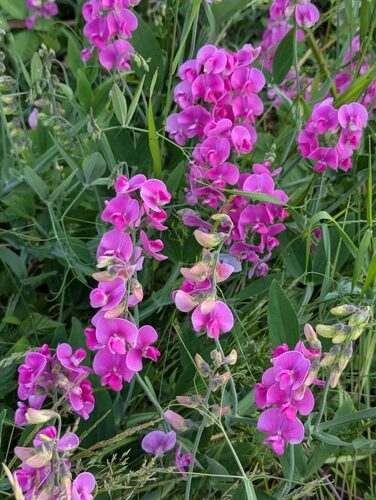
iNaturalist· cc-by-nc
(c) Laurent Quéno, some rights reserved (CC BY-NC), uploaded by Laurent Quéno
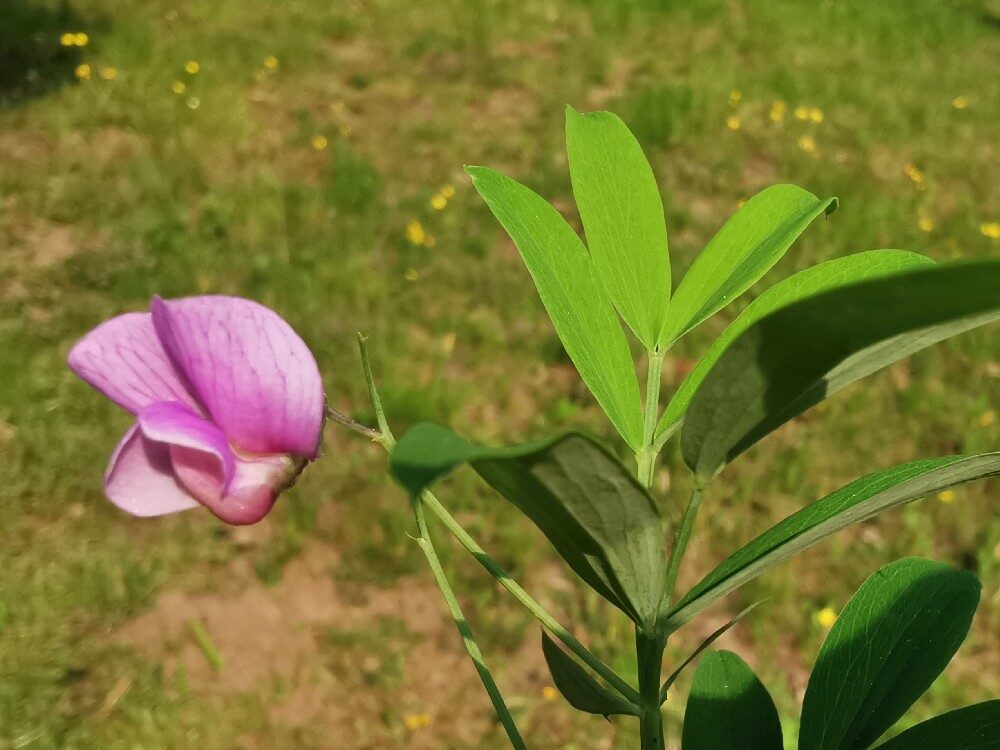
iNaturalist· cc-by-nc
(c) Laurent Quéno, some rights reserved (CC BY-NC), uploaded by Laurent Quéno
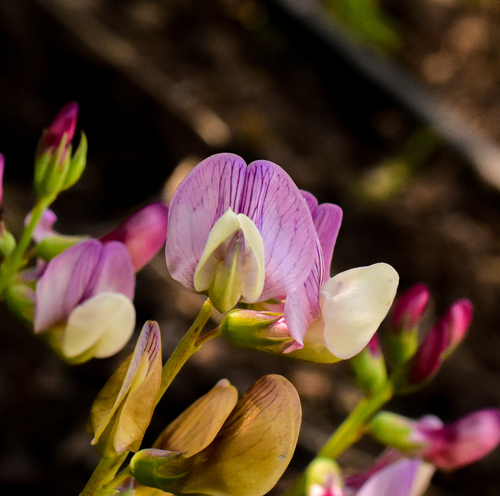
iNaturalist· cc-by-nc
(c) Laurent Quéno, some rights reserved (CC BY-NC), uploaded by Laurent Quéno
Description
A tree. It grows 8-25 m tall. The trunk is 20-100 cm across. The tree can be shorter in dry condirions. It has a spongy or corky bark.
This description is brief — help expand it
Edible Uses
The fruit is potentially edible, though this requires caution.
Known Hazards
Caution is advised regarding the fruit.
Distribution
It is a tropical plant. It can grow up to 1,800 m above sea level.
Where It Grows
Amazon, Bolivia, Brazil, Ecuador, Paraguay, Peru, South America, Venezuela,
Cultivation
Grows best in a sunny position, Prefers moist, fertile soils. A fast-growing plant when young. This species has a symbiotic relationship with certain soil bacteria; these bacteria form nodules on the roots and fix atmospheric nitrogen. Some of this nitrogen is utilized by the growing plant but some can also be used by other plants growing nearby.
Propagation
Seed - it has a hard seedcoat and may benefit from scarification before sowing to speed up and improve germination. This can usually be done by pouring a small amount of nearly boiling water on the seeds (being careful not to cook them!) and then soaking them for 12 - 24 hours in warm water. By this time they should have imbibed moisture and swollen - if they have not, then carefully make a nick in the seedcoat (being careful not to damage the embryo) and soak for a further 12 hours before sowing. Sow the treated seed in a sunny position in a nursery seedbed. A low germination rate can be expected from untreated seed, with the seed sprouting within 28 - 42 days.
Other Uses
The wood is medium-textured, straight-grained, heavy, hard, with moderate mechanical properties and moderately durable. It is only used locally for purposes such as light cabinet making and fence posts. The wood is used for fuel. A fast-growing natural pioneer species that fixes atmospheric nitrogen, it can be used for restoring native woodland and also for establishing woodland gardens.
Synonyms
Also Known As
Abobreira, Alfarobo, Bananinha, Burdao-de-velho, Farinha-seca, Feijao-cru, Ichizozo, Inga-de-pobre, Pau-de-cangalha, Sete-cascas, Lluicho vaina, Illuicho vainilla, Mani, Nino azote, Penoco
References (2)
- Bortolotto, I. M., et al, 2018, Lista preliminar das plantas alimenticias nativas de Mato Grosso do Sul, Brasil. Iheringia, Serie Botanica, Porto Alegre, 73 (supl.):101-116
- Grandtner, M. M. & Chevrette, J., 2013, Dictionary of Trees, Volume 2: South America: Nomenclature, Taxonomy and Ecology. Academic Press p 582