Ephedra antisyphilitica
Berland. ex C. A. Mey.
California desert tea, Erect ephedra
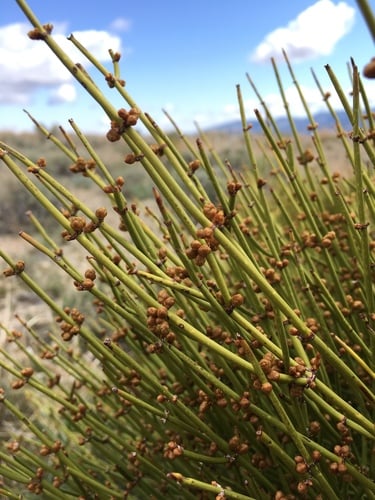
iNaturalist· cc-by-nc
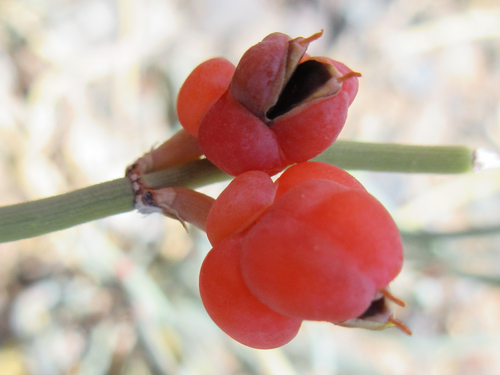
(c) Rich Kostecke, some rights reserved (CC BY-NC), uploaded by Rich Kostecke
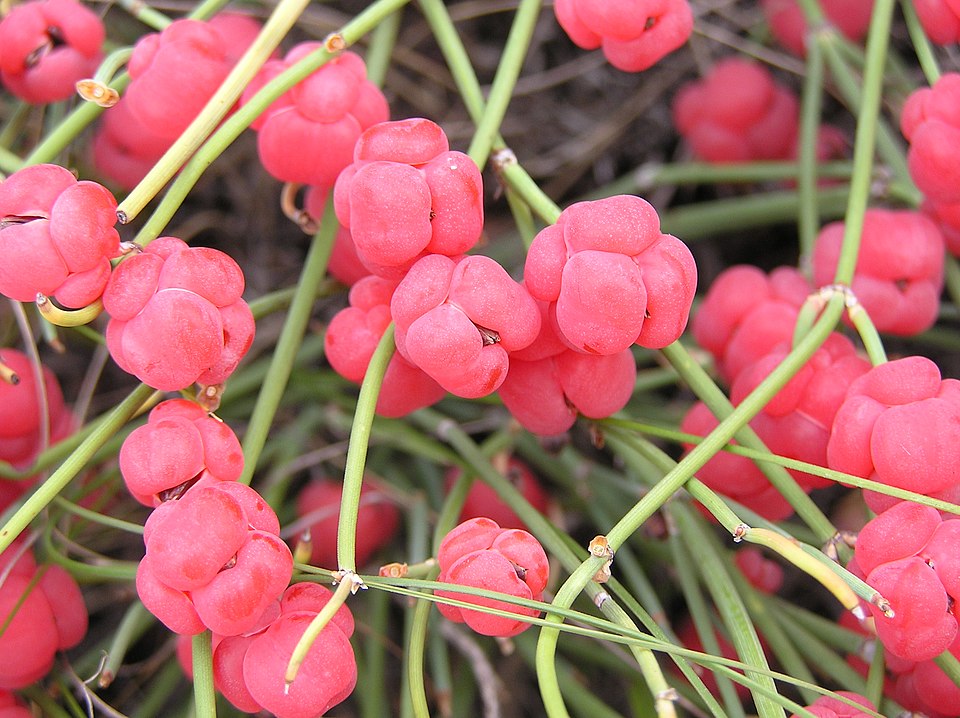
iNaturalist· cc-by-nc
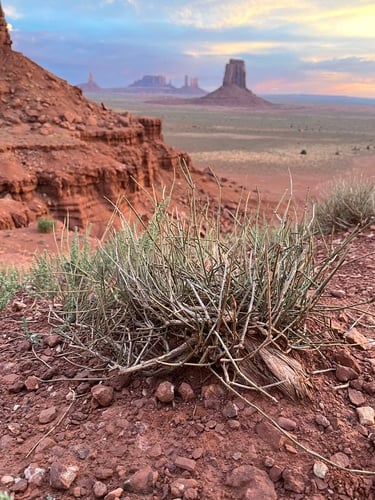
(c) Chuck Sexton, some rights reserved (CC BY-NC)
Summary
Source: WikipediaEphedra antisyphilitica is a plant species native to the southern Great Plains of the United States (Oklahoma, New Mexico, Texas), and also to northeastern Mexico (Nuevo León, Coahuila, San Luis Potosí). This species should not be confused with the 1871 name Ephedra antisyphilitica S.Wats., native to further west in the Southwestern US and in Baja California. Meyer's use of the name dates from 1846, so it has priority over Watson's later application of the same name to a different plant. Watson's plant is now called Ephedra nevadensis.
Description
A subtropical shrub in the Ephedraceae family with seeds that can be ground into flour.
This description is brief — help expand it
Edible Uses
The seeds are ground into flour to make bread.
Traditional Uses
The seeds are ground into flour to make bread.
This uses section is brief — help expand it
Distribution
It is a subtropical plant.
Where It Grows
Mexico, North America, USA,
Synonyms
Also Known As
Belcho, Canadillo, Clapweed, Popote
References (1)
- Kermath, B. M., et al, 2014, Food Plants in the Americas: A survey of the domesticated, cultivated and wild plants used for Human food in North, Central and South America and the Caribbean. On line draft. p 336