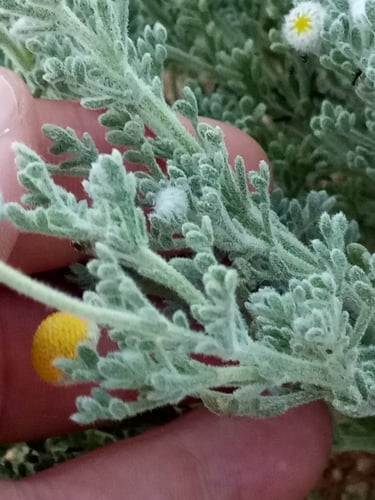
Chromolaena collina
(DC.) R, M. King and H. Rob.
iNaturalist· cc-by-nc
(c) Pablo Carrillo-Reyes, some rights reserved (CC BY-NC), uploaded by Pablo Carrillo-Reyes
iNaturalist· cc-by
(c) Neptalí Ramírez Marcial, some rights reserved (CC BY), uploaded by Neptalí Ramírez Marcial
iNaturalist· cc-by-nc
(c) Eduardo Soto Flores, some rights reserved (CC BY-NC), uploaded by Eduardo Soto Flores
Description
A tropical herb in the Asteraceae family with leaves used in culinary applications.
This description is brief — help expand it
Edible Uses
Eupatorium are grown as ornamental plants, particularly in Asia. A number of popular ornamental plants formerly included in Eupatorium have been moved to other genera, such as Bartlettina and Conoclinium. Tobacco leaf curl virus is a pathogen occasionally affecting plants of this genus. The foliage is eaten by some Lepidoptera larvae, including those of Orthonama obstipata (The Gem).
Traditional Uses
It is used as a hops substitute in beer.
This uses section is brief — help expand it
Medicinal Uses
The common names for the plants are all based on the previous usage of one species, Eupatorium perfoliatum, as an herbal medicine. Despite its name, boneset is not used to treat broken bones, instead the common name apparently derives from the herb's use to treat dengue fever, which was also called breakbone fever because of the pain that it caused. The name thoroughwort also comes from Eupatorium perfoliatum, and refers to the perfoliate leaves, in which the stem appears to pierce the leaf (i.e. go through, note that in older usage "thorough" was not distinguished from "through", compare for example the word thoroughfare). Boneset, although poisonous to humans and grazing livestock, has been used in folk medicine, for instance to excrete excess uric acid which causes gout. Caution is advised when using boneset, since it contains toxic compounds that can cause liver damage. Side effects include muscular tremors, weakness, and constipation; overdoses may be deadly.
Distribution
It is a tropical plant.
Where It Grows
Central America, Mexico,
Synonyms
Also Known As
Yerba de Angel
References (1)
- Kermath, B. M., et al, 2014, Food Plants in the Americas: A survey of the domesticated, cultivated and wild plants used for Human food in North, Central and South America and the Caribbean. On line draft. p 221