Aristolochia maxima
Jacq.
Dutchman's pipe
Wikipedia· cc-by-sa
Wikimedia Commons - Aristolochia_maxima4.jpg
iNaturalist· cc-by-nc
(c) Cesia, some rights reserved (CC BY-NC)
iNaturalist· cc-by-nc
(c) Oscar Enciso, some rights reserved (CC BY-NC)
Summary
Source: WikipediaAristolochia maxima is a plant species native to Central and South America, naturalized in southern Florida. Common names include Florida Dutchman's-pipe (US), canastilla (Guatemala), guaco (El Salvador), and tecolotillo (Mexico). In Florida, it grows in hammocks in the Everglades at elevations below 50 m (170 feet). Aristolochia maxima is a liana (woody vine) that can reach a height of 20 m (67 feet), twining over other plants. Leaves are truncate to cuneate at the base. Flowers are brownish-purple.
Description
A woody vine. It can grow 20 m long. The leaves large and rounded and are wedge shaped at the base. The flowers are brownish-purple. They can be 25 cm long. The fruit are seed capsules 12 cm long.
Edible Uses
The fruit are edible.
Distribution
It is a tropical plant. It is often on limestone soils.
Where It Grows
Central America, Costa Rica, Mexico, North America, USA,
Synonyms
Also Known As
Batatillo, Canastilla, Guaco, Tecolotillo
References (1)
- Kermath, B. M., et al, 2014, Food Plants in the Americas: A survey of the domesticated, cultivated and wild plants used for Human food in North, Central and South America and the Caribbean. On line draft. p 88
More from Aristolochiaceae
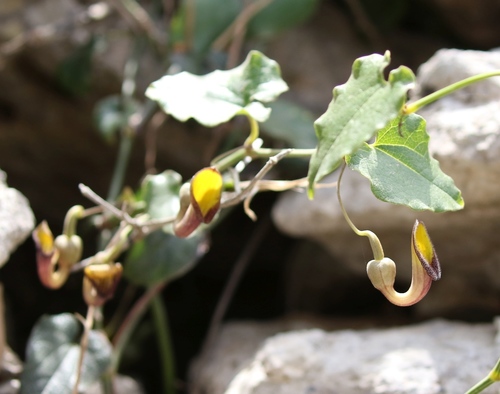
Aristolochia sempervirens
Green Dutchman's pipe
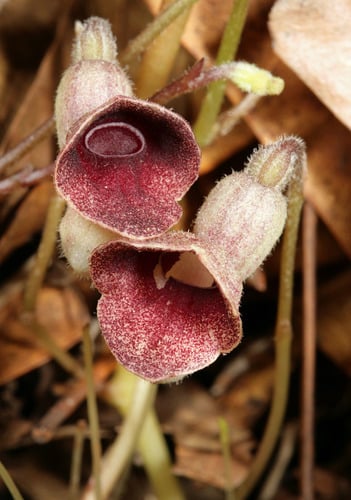
Aristolochia serpentaria
Virginia snakeroot, Serpentary
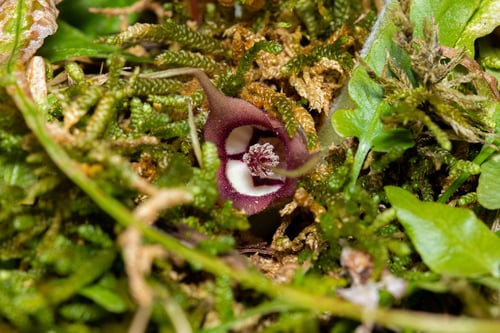
Asarum canadense
Wild ginger, Canada Snakeroot, Vermont snakeroot, Heart snakeroot, American wild ginger
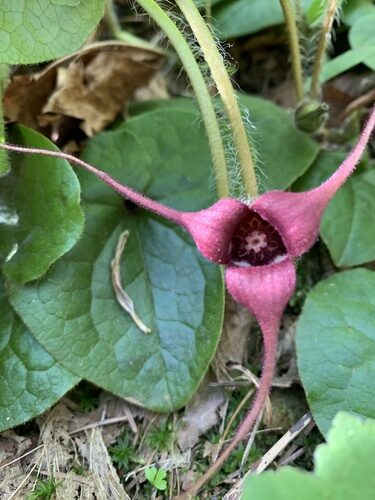
Asarum caudatum
Wild Ginger, British Columbia wildginger
Asarum dilatatum
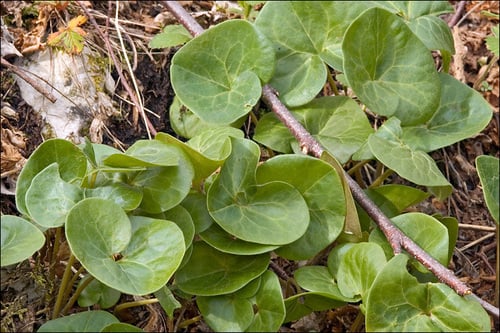
Asarum europaeum
European wild ginger