Rubus croceacanthus
H. Lev.
iNaturalist· cc0
no rights reserved, uploaded by 葉子
iNaturalist· cc0
no rights reserved, uploaded by 葉子
iNaturalist· cc0
no rights reserved, uploaded by 葉子
Description
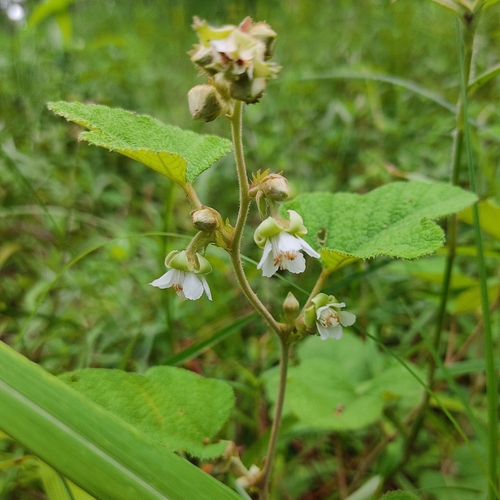
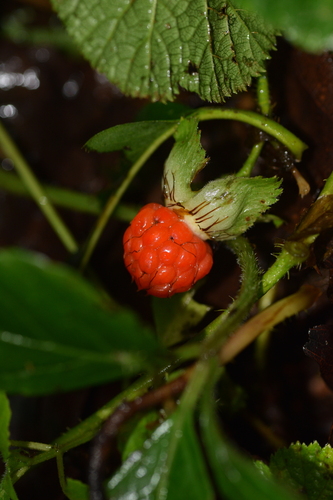
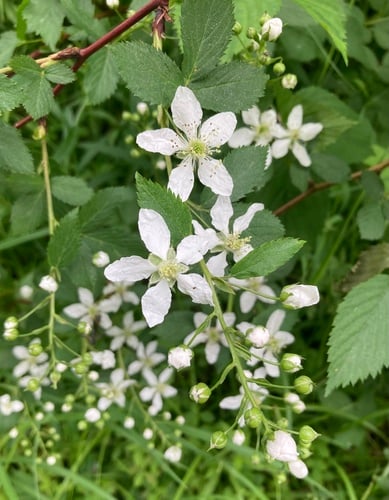
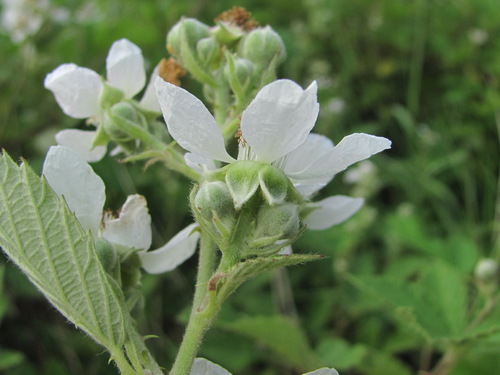
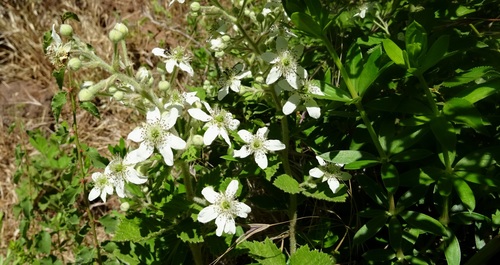
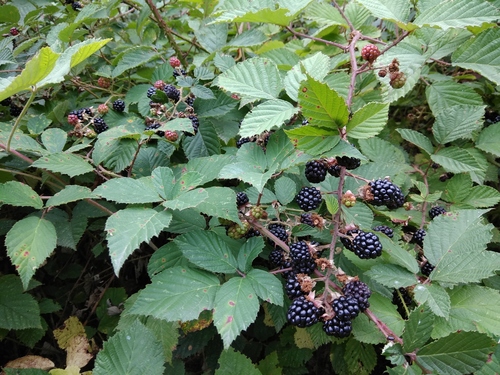
A shrub. The branches have small prickles. These can be 4 mm long. The leaves are compound and have a leaflet at the end. The leaves are 20 cm long and there are usually 3-5 leaflets. These are 3-7 cm long by 3-5 cm wide. The flowers often occur singly at the ends of branches. The fruit is 1-2 cm across and red when ripe.
Edible Uses
Fruit - raw or cooked. The red, subglobose or ovoid, rarely ellipsoid fruit is 10 - 20mm in diameter
Traditional Uses
The fruit is used for wine.
This uses section is brief — help expand it
Distribution
It is a subtropical plant. It grows in open spaces in forests and in grassland. In Taiwan it grows from sea level to 1,000 m altitude.
Where It Grows
Asia, Cambodia, China, Indochina, Japan, Korea, Laos, Myanmar, SE Asia, Taiwan, Thailand,
Cultivation
Rubus croceacanthus grows from near sea level to elevations in excess of 3,500 metres from the warm temperate zone of southern China and Japan, south to the more tropical regions of southeastern Asia. It is unlikely to succeed outdoors in areas of the temperate zone with very cold winters. Species in this genus are generally easily grown in a good well-drained loamy soil in sun or semi-shade. Plants in this genus are notably susceptible to honey fungus.
Propagation
Seed - germinates best if given a period of cold stratification prior to sowing in containers. Stored seed requires one month stratification at about 3°c and is best sown as early as possible in the growing season. Prick out the seedlings when they are large enough to handle and grow on until large enough to plant out. Cuttings of half-ripe wood in a frame. Tip layering towards the end of the growing season Division just before the plant comes into new growth or as it enters dormancy.
Notes
There are about 250 Rubus species.
Dangerous Lookalikes
This plant can be confused with the following toxic species. Always verify identification carefully before consuming any wild plant.
Red Baneberry
Actaea rubra
Walter Siegmund (talk)
Rubus croceacanthus
Rubus croceacanthus
no rights reserved, uploaded by 葉子
Red Baneberry: Short herbaceous plant (no thorns), berries on thick red stems, each berry has a single seed, compound sharply-toothed leaves.
Rubus croceacanthus: Thorny woody canes (brambles), aggregate berry made of many drupelets, berries pull easily from receptacle.
Also Known As
Geomeunttalgi
References (6)
- Flora of China @ efloras.org Volume 9
- Flora of Taiwan Vol. 3:125, 126
- Kuo, W. H. J., (Ed.) Taiwan's Ethnobotanical Database (1900-2000), http://tk.agron.ntu.edu.tw/ethnobot/DB1.htm
- Plants for a Future database, The Field, Penpol, Lostwithiel, Cornwall, PL22 0NG, UK. http://www.scs.leeds.ac.uk/pfaf/
- Repert. Spec. Nov. Regni Veg. 11:33. 1912
Show all 6 references Hide references
- Song, M., et al, 2013, Traditional knowledge of wild edible plants in Jeju Island, Korea. Indian Journal of Traditional Knowledge. 12(2) pp 177-194