Adenostoma sparsifolium
Torr.
Red shanks, Ribbonwood
iNaturalist· cc-by-nc
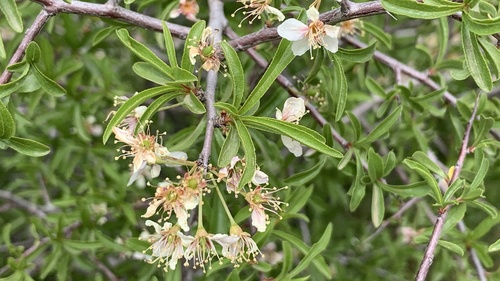
(c) Erin Whitfield, some rights reserved (CC BY-NC), uploaded by Erin Whitfield
iNaturalist· cc-by-nc
(c) quandary, some rights reserved (CC BY-NC)
iNaturalist· cc-by-nc
(c) BJ Stacey, some rights reserved (CC BY-NC)
Summary
Source: WikipediaAdenostoma sparsifolium, commonly known as redshanks or less commonly (outside of area of its principal distribution), ribbonwood or ribbon bush, is a multi-trunked tree or shrub native to dry slopes or chaparral of Southern California and northern Baja California.
Description
Evergreen shrub growing to 6 m with hermaphrodite flowers blooming May to June. Hardy to UK zone 8. Adapts to light sandy, medium loamy, and heavy clay soils with mildly acid to basic pH. Requires full sun and well-drained soil. Tolerates drought and poor soil nutrition.
Edible Uses
The seeds are edible. No further information is available.
Medicinal Uses
The plant is cathartic and has been used externally to treat arthritis. A leaf infusion treats colds and chest complaints, and doubles as a mouthwash for toothaches. An infusion of dried leaves or branches has been used for stomach ailments, inducing either bowel movements or vomiting. Crushed twigs mixed with oil have been applied as a salve.
Distribution
It is a Mediterranean climate plant. It grows on dry slopes.
Where It Grows
Mexico, North America, USA,
Cultivation
Requires a sheltered sunny position in a well-drained soil and protection from cold winds. Plants are not very hardy in Britain and do not withstand exposure to prolonged winter frosts though they succeed outdoors in the milder areas of the country. In colder areas they are best grown against a south or south-west facing wall. The leaves are resinous and catch fire easily. They have a pleasant aroma.
Propagation
Seed should be sown in a greenhouse in early spring. Prick seedlings out into individual pots once large enough to handle, and grow on for at least the first winter under cover before planting out in late spring or early summer after the last expected frosts. Half-ripe wood cuttings, preferably with a heel, can be tried in August in a frame. Layering is also an option.
Other Uses
The fibrous bark has been stripped and used to make women's skirts. The wood serves as fencing posts and construction material, and burns well at high intensity. The plant is noted as scented.
Also Known As
Cana roja, Chamizo colorado
References (1)
- Kermath, B. M., et al, 2014, Food Plants in the Americas: A survey of the domesticated, cultivated and wild plants used for Human food in North, Central and South America and the Caribbean. On line draft. p 23
More from Rosaceae
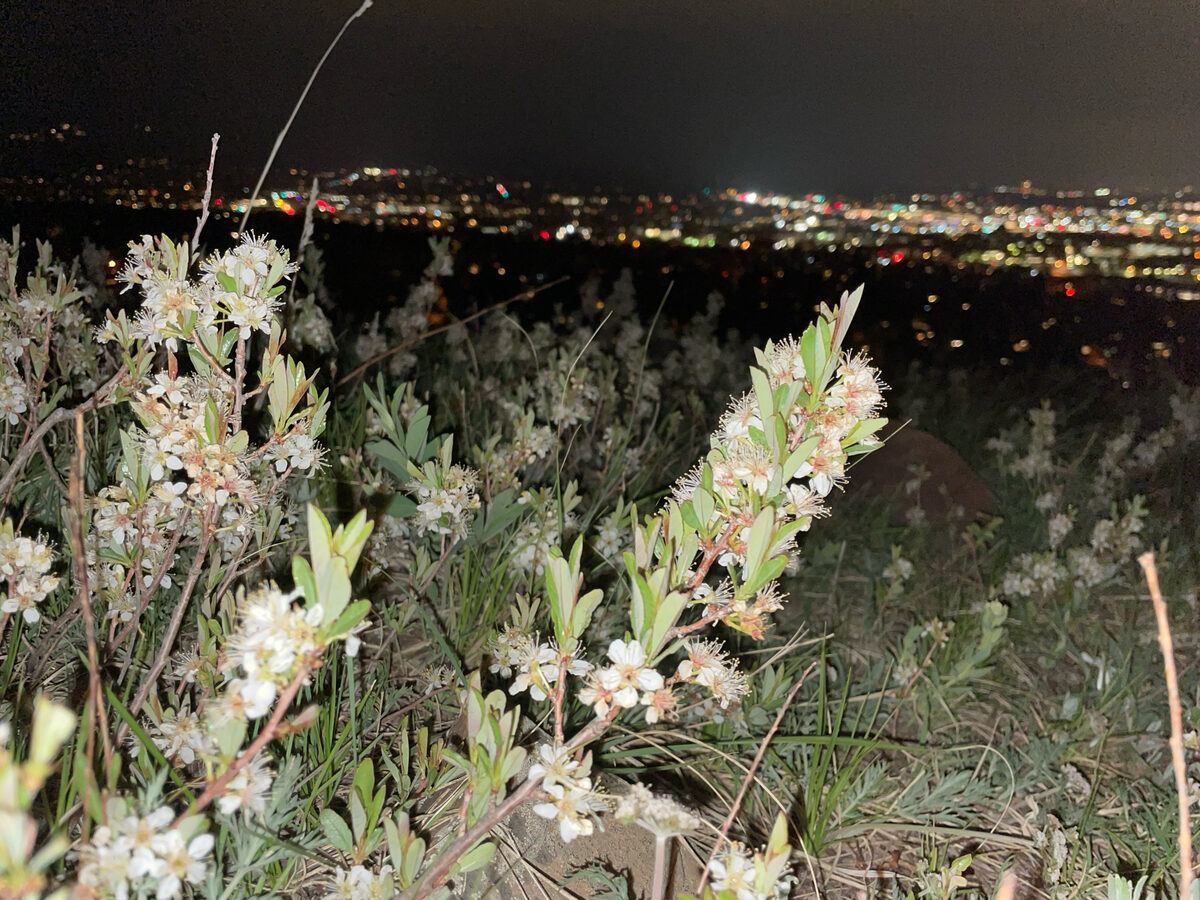
Prunus pumila besseyi - (L.H.Bailey) Waugh
Sand cherry, Rocky Mountain cherry
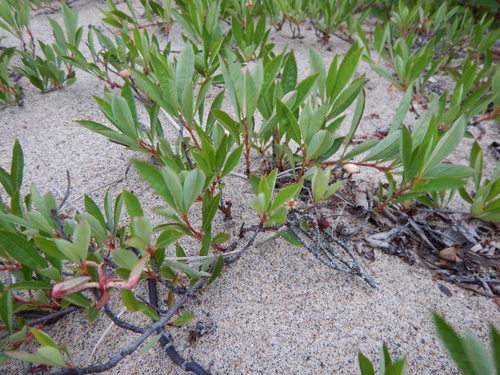
Prunus pumila subsp. susquehanae
Dwarf American cherry, Appalachian cherry
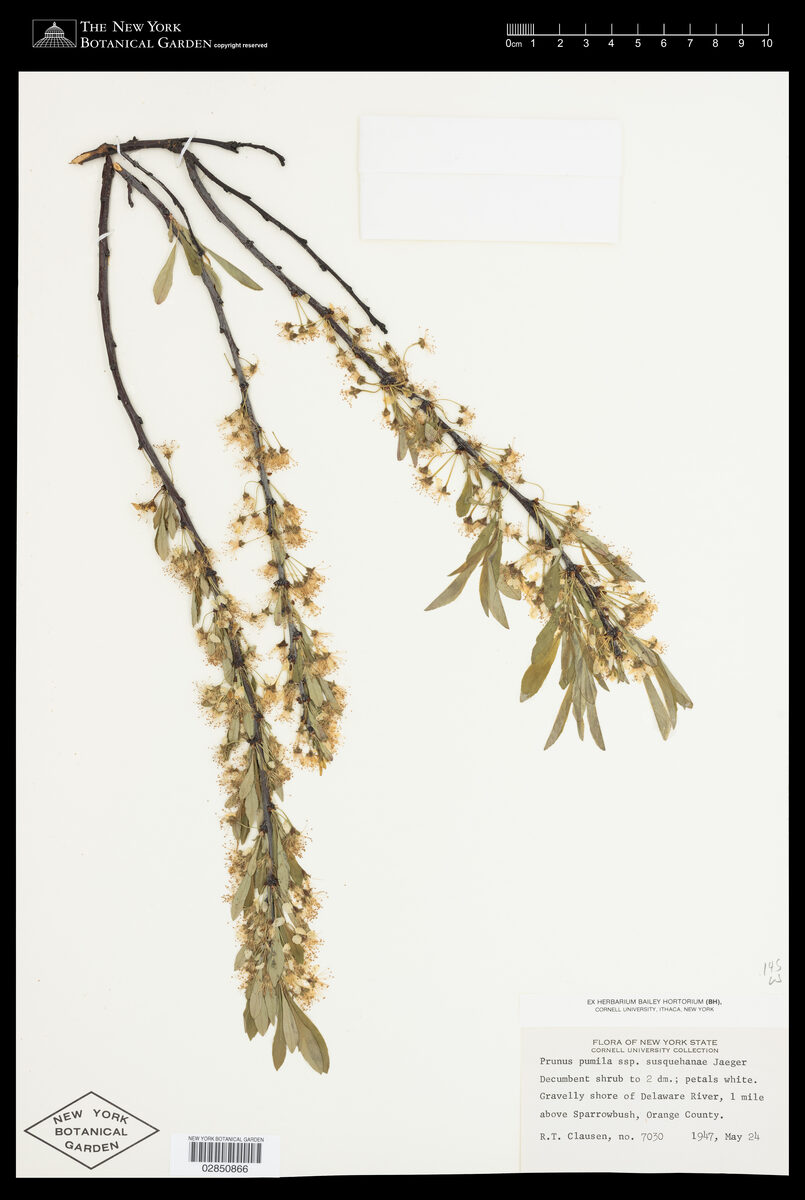
Prunus pumila susquehanae - (Willd.)Jaeger.
Dwarf American Cherry
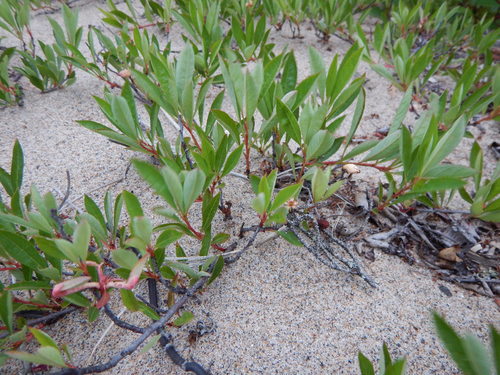
Prunus pumila var. depressa
Sand cherry, Eastern sandcherry
Prunus ramburii
Sloe of Sierra Nevada, Black hawthorn
Prunus rhamnoides