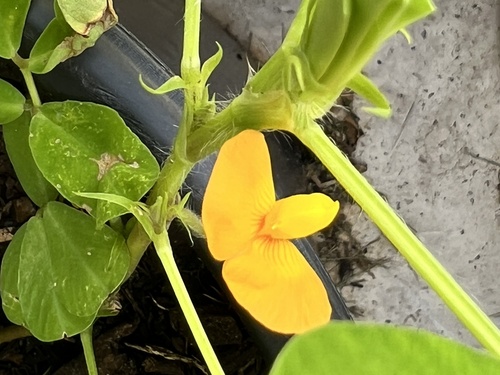
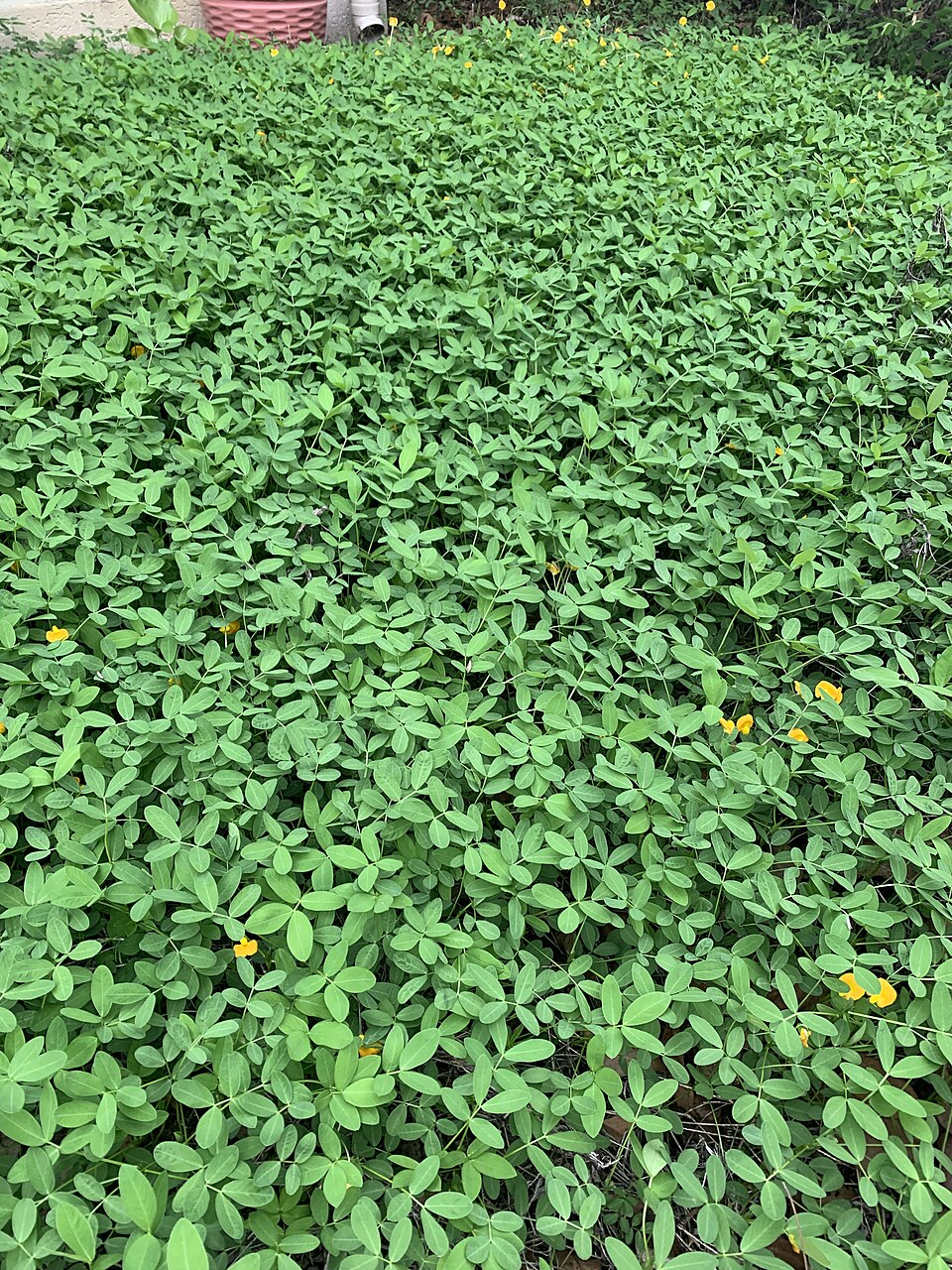
Genista tridentata
L.
iNaturalist· cc-by-nc
(c) Franck Le Driant, some rights reserved (CC BY-NC), uploaded by Franck Le Driant
iNaturalist· cc-by-sa
(c) Júlio Reis, some rights reserved (CC BY-SA)
iNaturalist· cc-by-nc
(c) reisegali, some rights reserved (CC BY-NC), uploaded by reisegali
Summary
An evergreen shrub growing to 1 m tall and wide at a fast rate. Hardy to UK zone 10. Flowers are pollinated by bees and insects. Fixes nitrogen and attracts wildlife. Grows in light sandy, medium loamy, and heavy clay soils, prefers well-drained conditions, and tolerates nutritionally poor soil. Suitable for mildly acid and neutral pH, including very acid soils. Capable of growth in semi-shade or full sun and tolerates both dry conditions and moist soil.
Description
An evergreen shrub growing to 1 m tall and wide at a fast rate. Hardy to UK zone 10. Flowers are pollinated by bees and insects. Fixes nitrogen and attracts wildlife. Grows in light sandy, medium loamy, and heavy clay soils, prefers well-drained conditions, and tolerates nutritionally poor soil. Suitable for mildly acid and neutral pH, including very acid soils. Capable of growth in semi-shade or full sun and tolerates both dry conditions and moist soil.
Edible Uses
Genista tridentata is used on the Iberian Peninsula as a seasoning and flavouring agent. Like other plants from the Lamiaceae and Apiaceae families, it enhances the taste and aroma of food while also contributing bioactive properties that help preserve it. Historically, it played an important nutritional role during famine periods. In traditional practice, it was used to prepare sauces and pastes — including the Portuguese "piso," made from crushed herbs mixed with garlic, salt, and olive oil — which could be stored for extended periods without losing their properties. The plant is also used in beverages, liqueurs, and herbal teas consumed on a regular basis.
Traditional Uses
The flowers are young buds are used to flavour a rice dish. It is also used to flavour meat dishes. The flowering parts are used for a herbal tea.
This uses section is brief — help expand it
Medicinal Uses
Genista tridentata is used in Portuguese traditional medicine to treat inflammation-related diseases, with its health benefits largely attributed to its flavonoid content. Scientific literature — drawn mainly from the Scopus database — documents its use for conditions including high blood sugar, hypertension, and inflammation. The plant is rich in flavonoids such as genistein, biochanin A, rutin, and daidzein, which are noted for their anti-inflammatory potential. It is considered a valuable source of bioactive flavonoids that support its traditional use in treating inflammation.
Distribution
It is a Mediterranean climate plant.
Where It Grows
Europe, Spain,
Cultivation
Genista tridentata is a hardy phanerophyte shrub that thrives with minimal care. It prefers well-draining soil and plenty of sunlight to bloom. Adapted to harsh environments with sporadic rainfall, this plant requires little watering. Symbiotic nitrogen fixation: symbiosis with rhizobia. Prefers an acid soil and will not tolerate an alkaline soil. It has a dense array of tiny, trifoliate leaves adapted to conserve water in its arid native habitat. It has vibrant yellow flowers. Genista tridentata's compact growth and ability to thrive on poor, rocky soils make it emblematic of Mediterranean resilience.
Propagation
Propagated by seed.
Other Uses
A good understory plant and nitrogen fixer.
Synonyms
Also Known As
Carquesa, Carquexa
References (3)
- Pardo-de-Santayana et al, 2006, Diversity and selection of wild food plants. Proceedings of the IVth International Congress of Ethnobotany (ICEB) 2005) p 53 (As Pterospartum tridentatum)
- Pardo-de-Santayana, M., et al, 2007, Traditional knowledge of wild edible plants used in the northwest of the Iberian Peninsula (Spain and Portugal): a comparative study. Journal of Ethnobiology and Ethnomedicine 2007, 3:27 (As Pterospartum tridentatum)
- Tardio, J., et al, Ethnobotanical review of wild edible plants in Spain. Botanical J. Linnean Soc. 152 (2006), 27-71 (As Pterospartum tridentatum)