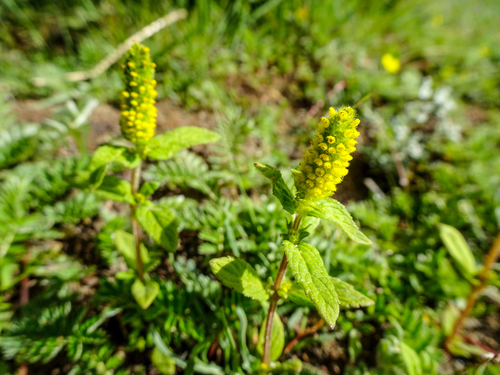
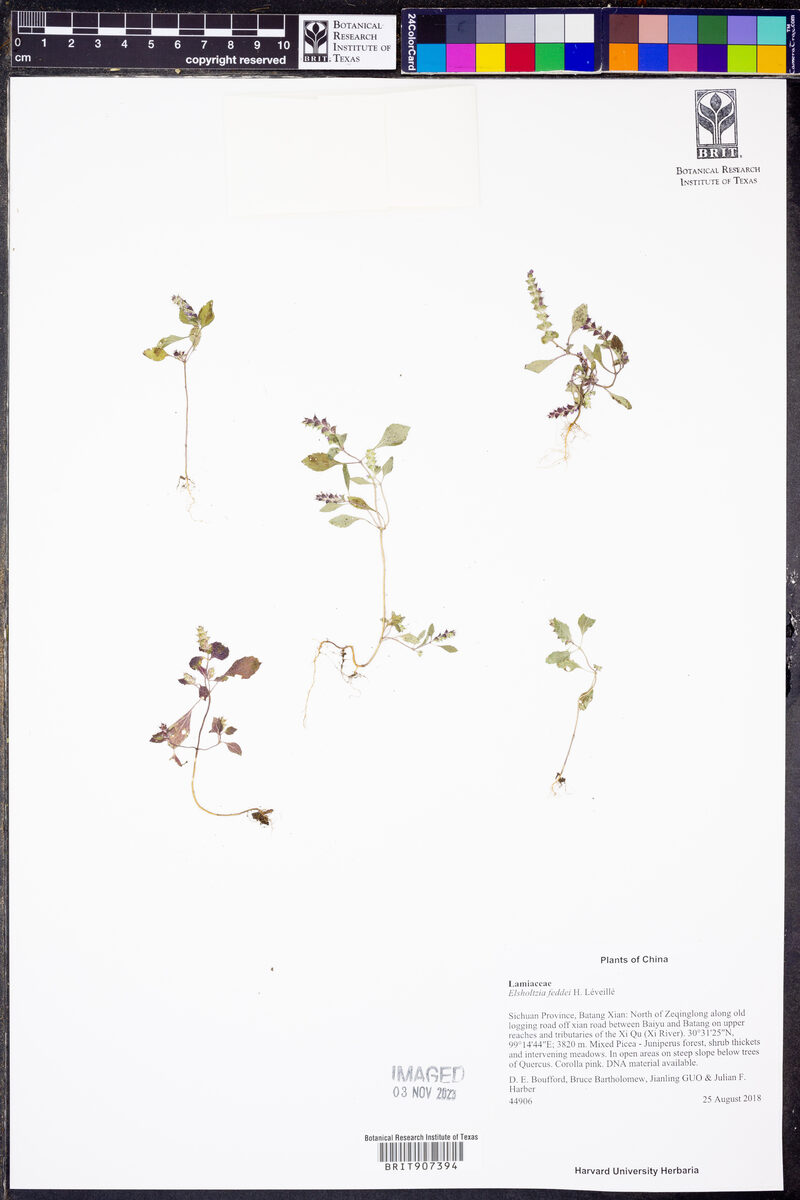
Clerodendrum bungei
Steud.
iNaturalist· cc-by
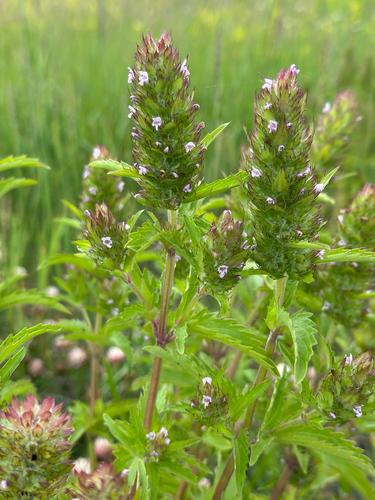
(c) Carminda Santos, some rights reserved (CC BY), uploaded by Carminda Santos
iNaturalist· cc-by-nc
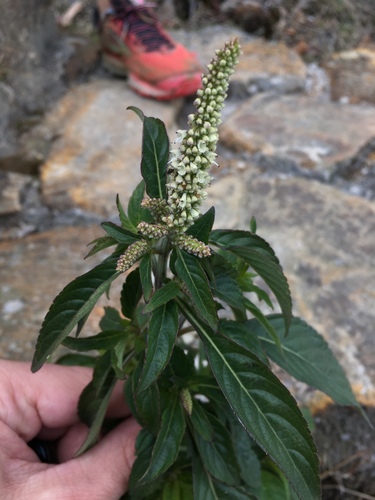
(c) camilleeck, some rights reserved (CC BY-NC)
iNaturalist· cc-by-nc
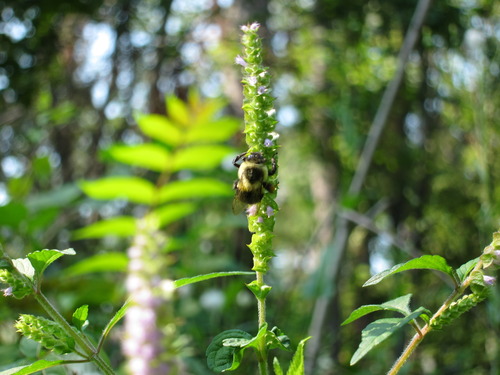
(c) MP Zhou, some rights reserved (CC BY-NC), uploaded by MP Zhou
Summary
Source: WikipediaClerodendrum bungei, commonly known as rose glory bower, glory flower or Mexican hydrangea (though neither a Hydrangea nor from Mexico), is a species of flowering plant in the deadnettle family, Lamiaceae. Native to China, it is commonly grown in gardens as an ornamental shrub. It has escaped from cultivation and is naturalized in the Americas.
Description
A shrub. It grows 1-2 m tall. The leaves are broadly oval and 8-20 cm long by 5-15 cm wide. They have a few hairs underneath. The base is wedge shaped and their are teeth along the edge. The flowers are in dense flat topped groups at the ends of the branches. They are pink, red or purple.
Edible Uses
No edible uses are known for this plant.
Traditional Uses
The leaves and roots are used for herbal teas.
This uses section is brief — help expand it
Medicinal Uses
A decoction of the leaves is applied externally and acts as an anodyne, anthelmintic, anti-inflammatory and carminative.
Distribution
It is a tropical plant. In Sichuan and Yunnan.
Where It Grows
Asia, China, Dominican Republic, SE Asia, Taiwan, Vietnam, West Indies,
Cultivation
Succeeds in a sunny position in ordinary garden soil but prefers a fertile humus-rich well-drained soil. The soil must not be allowed to dry out in the growing season. Requires a position sheltered from cold drying winds. Plants are hardy to about -10°c, they can be cut to the ground in severe winters but usually resprout from the base, especially if they have been well mulched, they will then flower in late summer. Plants succeed in an open position at Wisley in Surrey. Spreads rapidly by suckers. Flowers are produced on the current seasons growth. They have a delicious scent. The leaves are foetid when crushed.
Propagation
Seed is best sown as soon as possible in a greenhouse. Germination can be erratic but usually takes place within 20–60 days at 20°c. Prick seedlings into individual pots when large enough to handle and grow on in the greenhouse for at least their first winter. Plant out in late spring or early summer after the last expected frosts. Root cuttings 6–8cm long can be taken in December in a greenhouse with a high success rate. Division of suckers can be done in the dormant season and is very straightforward — divisions can be planted directly into their permanent positions if required.
Other Uses
No other uses are known for this plant.
Other Information
It is sold in local markets in China. It is cultivated.
Synonyms
Also Known As
Chuan long, Jia long
References (2)
- Li, D. et al, 2017, Ethnobotanical survey of herbal tea plants from the traditional markets in Chaoshan, China. Journal of Ethnopharmacology. 205 (2017) 195-206
- Liu, Yi-tao, & Long, Chun-Lin, 2002, Studies on Edible Flowers Consumed by Ethnic Groups in Yunnan. Acta Botanica Yunnanica. 24(1):41-56