Eremophila longifolia
(R. Br.) F. Muell.
Emu bush, Berrigan
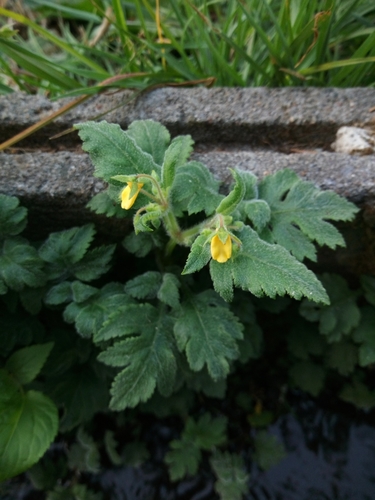
iNaturalist· cc-by
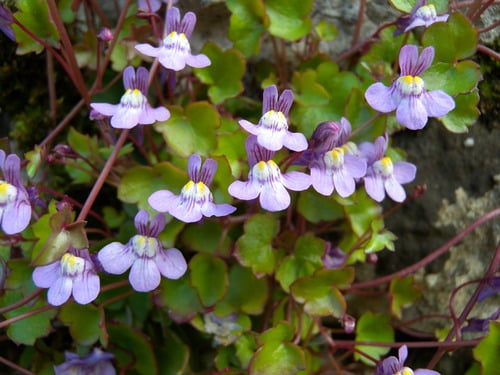
(c) Russell Best, some rights reserved (CC BY), uploaded by Russell Best
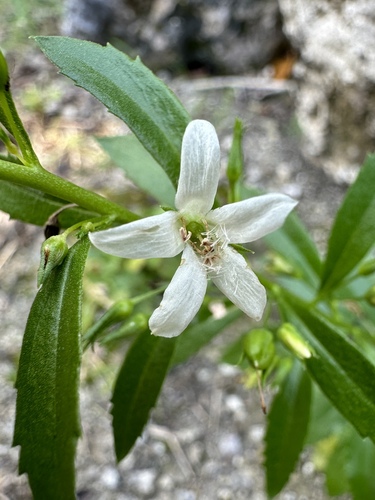
iNaturalist· cc-by-nc
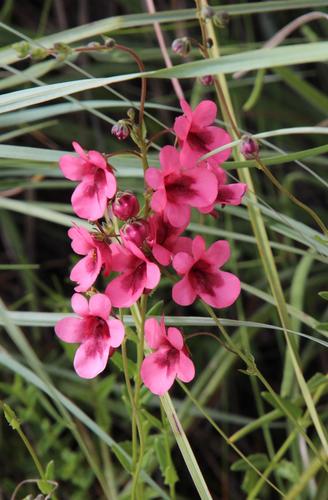
(c) warren cameron, some rights reserved (CC BY-NC), uploaded by warren cameron
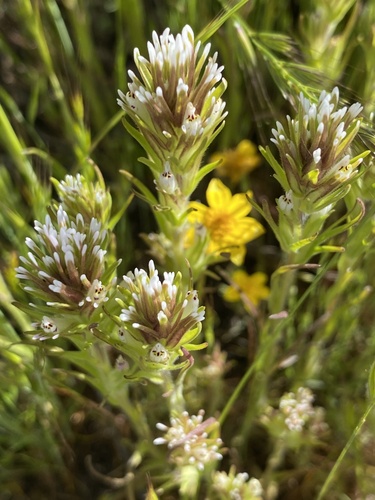
iNaturalist· cc-by-nc
(c) cinclosoma, some rights reserved (CC BY-NC), uploaded by cinclosoma
Summary
Source: WikipediaEremophila longifolia, known by a range of common names including berrigan, is a flowering plant in the figwort family, Scrophulariaceae and is endemic to Australia. It is a shrub or small tree with weeping branches, long, narrow leaves and brick-red or pink flowers and is found in all Australian mainland states and the Northern Territory.
Description
A shrub. It grows 8 m tall. The branches are drooping. The leaves are long and thin. They are 20 cm long by 1.5 mm wide. The flowers are pink to red. The fruit are black to purple.
Edible Uses
None known
Medicinal Uses
Used to treat sores and colds.
Known Hazards
The plant is toxic.
Distribution
It is a subtropical plant.
Where It Grows
Australia*,
Cultivation
Plants are hardy to about -7°c in Australian gardens.
Propagation
Seed.
Other Uses
The wood is hard, close-grained, durable, and brittle, and can be difficult to work. It is used for veneer, inlay work, and cabinet making.
Synonyms
Also Known As
Ngawil
References (5)
- Cancilla, D., 2018, Ethnobotanical and Ethnozoological Values Desktop Assessment - Eliwana Project. p 12
- Hunter, J. T. et al, Budjiti traditional use of plants on Naree Station. p 9
- Hunter, J.T., 2017, Is there a relationship between contemporary high Aboriginal plant resource locations and mapped vegetation communities? Cunninghamia 17:27-34. The Royal Botanic Garden Sydney. ISSN 2200 - 405X
- McKerney, M. & White, H., 2011, Bush Tucker, Boomerangs & Bandages. Border River-Gwyder Catchment Management Authority p 105
- Williams A. & Sides, T., 2008, Wiradjuri Plant Use in the Murrumbidgee Catchment. Murrumbidgee Catchment Management Authority. Wagga Wagga, p 48