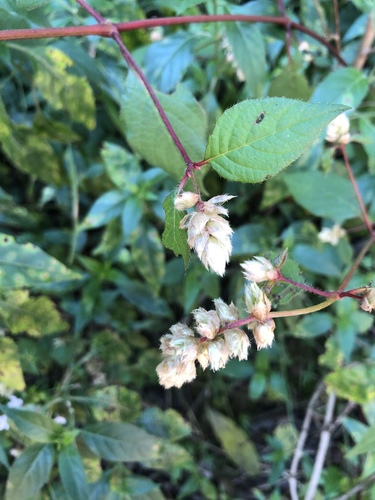
Halogeton arachnoideus
Moq.
iNaturalist· cc-by-nc
(c) Jean-François Olivier, some rights reserved (CC BY-NC)
iNaturalist· cc-by-nc
(c) Jean-François Olivier, some rights reserved (CC BY-NC)
iNaturalist· cc-by
(c) Urgamal Magsar, some rights reserved (CC BY)
Summary
Source: WikipediaAnnual plant growing to 0.3 m tall with flowers and seed ripening from July to August. Hermaphroditic flowers. Tolerates light sandy, medium loamy, and heavy clay soils with a preference for well-drained conditions and poor nutritional soils. Grows in mildly acidic to basic soils. Can grow in semi-shade or full sun and prefers moist soil.
Description
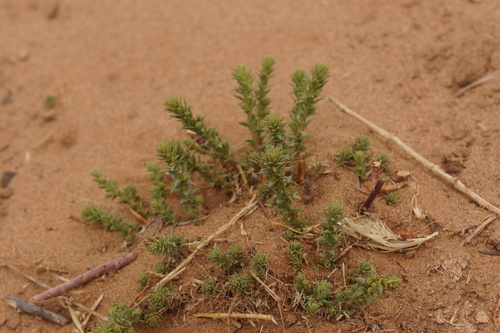
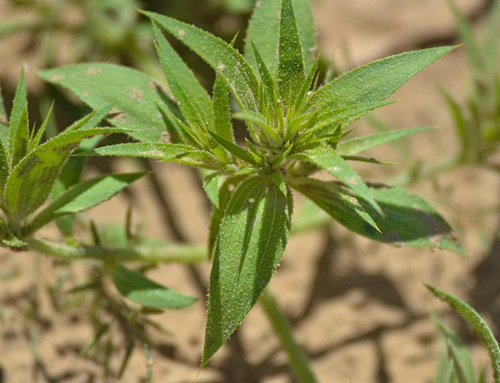
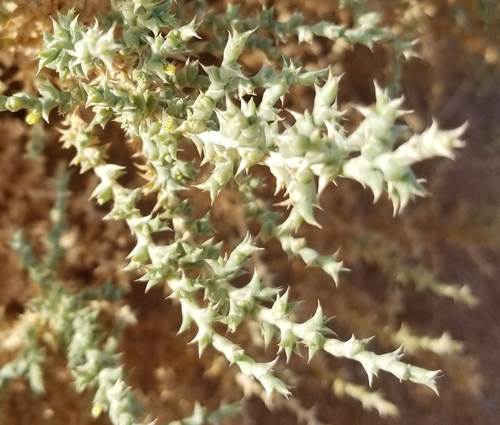
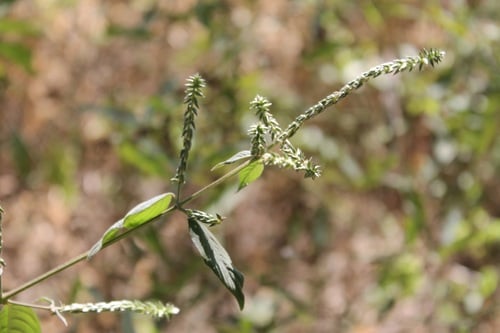
A herb. It grows 10-40 cm tall. The branches are alternate. They are grey-white and hairy when young. The leaves are 3-10 mm long by 1-2 mm wide.
This description is brief — help expand it
Edible Uses
The plant is burned to obtain soda, which is used as a cooking condiment — particularly for preparing foods such as noodles.
Traditional Uses
The plant is burnt to produce soda for cooking.
This uses section is brief — help expand it
Medicinal Uses
None known
Distribution
It is a temperate plant. It grows in arid places and in sandy soils.
Where It Grows
Asia, China,
Cultivation
We have very little information on this species and do not know if it will be hardy in Britain, though judging by its native habitat it is likely to succeed in many parts of the country, particularly the drier areas. It is likely to prefer a well-drained soil and a sunny position.
Propagation
Seed.
Other Uses
None known Special Uses
Synonyms
References (2)
- Brevard Country Edible Acres
- www.eFloras.org Flora of China