Camphorosma monspeliaca
L.
iNaturalist· cc-by-nc
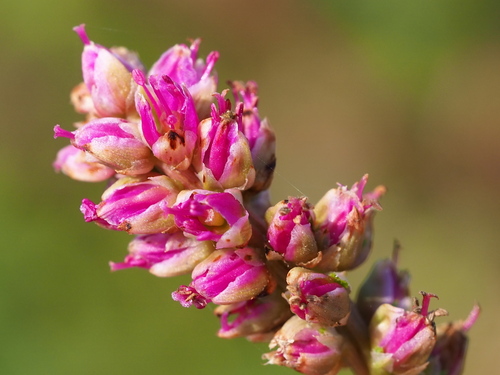
(c) Nina Išić, some rights reserved (CC BY-NC), uploaded by Nina Išić
iNaturalist· cc-by-nc
(c) Сергей, some rights reserved (CC BY-NC)
Summary
An evergreen shrub reaching 0.6 m tall with hermaphroditic flowers pollinated by insects. Maintains foliage year-round, flowering in July with seeds ripening August through September. Prefers well-drained, light sandy to medium loamy soil tolerating mildly acid to very alkaline and saline pH. Requires full sun and adapts to dry or moist soil with drought tolerance. Hardy to UK zone 8.
Description
A small shrub. It puts up branches each year. They are 10-50 cm. The leaves are 3-10 mm long and densely hairy.
This description is brief — help expand it
Edible Uses
None known.
Medicinal Uses
The plant is used as an antiasthmatic, diaphoretic, diuretic, emmenagogue, expectorant, and stimulant.
Known Hazards
None known.
Distribution
It is a temperate plant. It grows in the Gobi desert and in dunes and wasteland.
Where It Grows
Asia, Central Asia, China, Europe, Mongolia, Russia, Siberia, Tajikistan,
Cultivation
Prefers a sandy soil. It succeeds on sunny slopes in the warmer maritime areas of Britain, it is probably not hardy in other areas of the country. The stems and leaves emit a powerful camphor-like scent.
Propagation
Sow seed in late winter or early spring in a freely draining compost in a greenhouse, covering it only just barely. Prick seedlings into individual pots when large enough to handle. Grow plants on in the greenhouse through at least their first winter and plant out in late spring or early summer.
Other Uses
No known other uses. The plant is noted for its scent.
Synonyms
References (2)
- Brevard Country Edible Acres
- www.eFloras.org Flora of China
More from Amaranthaceae
Dendrocalamus brandesii - (Munro) Kurz
Velvet Leaf Bamboo, Clumping Bamboo
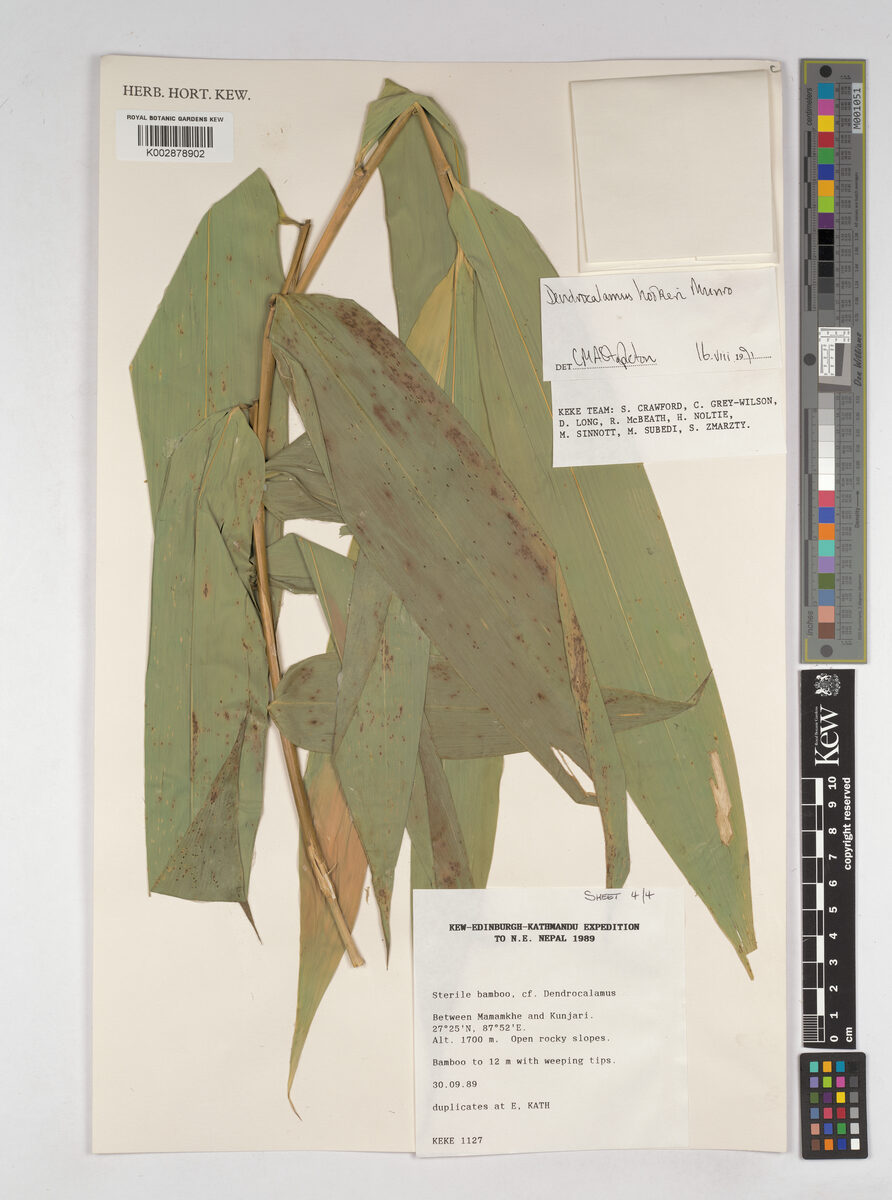
Dendrocalamus hookeri
Bhalu bans, Bhutan Green Bamboo
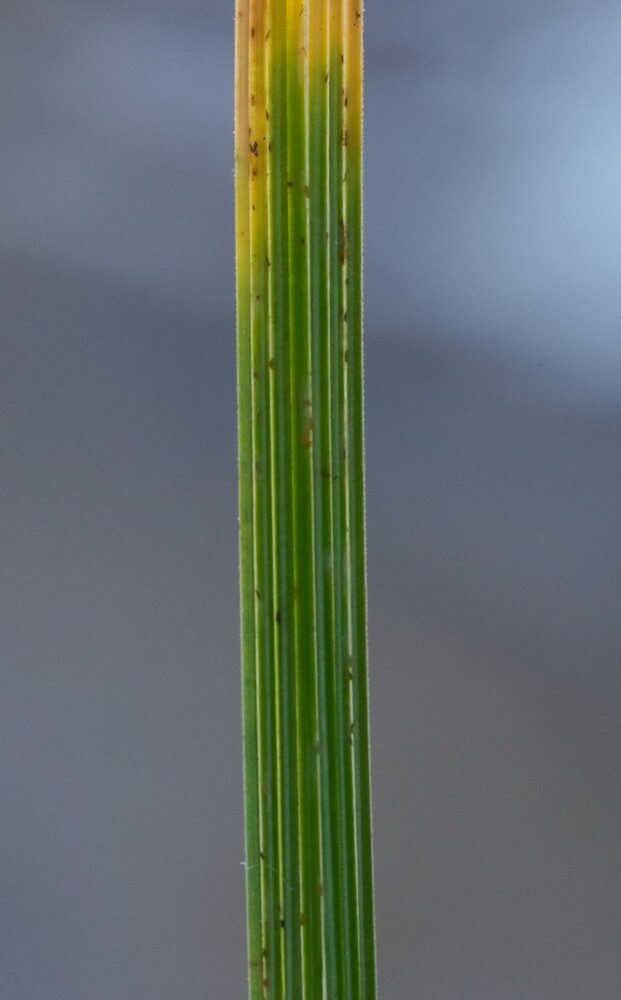
Deschampsia caespitosa - (L.)P.Beauv.
Tussock Grass, Tufted Hair Grass, Hair Grass
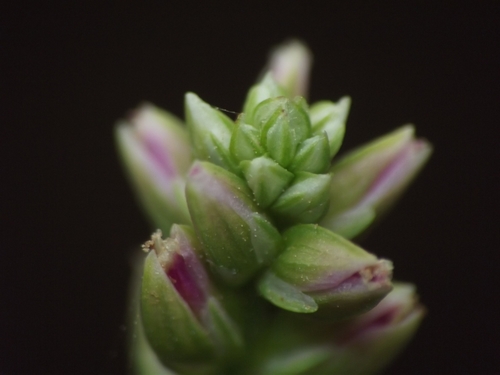
Digera muricata
Wild rhubarb, False amaranth
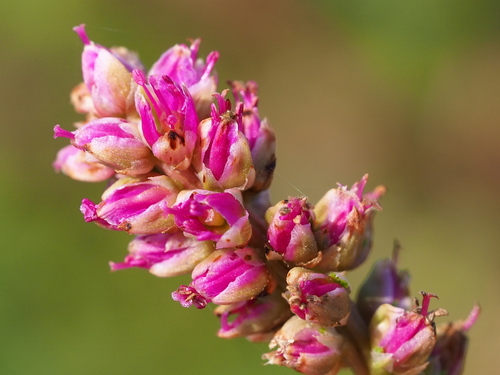
Digera muricata subsp. trinervis
Digera muricata var. patentipilosa