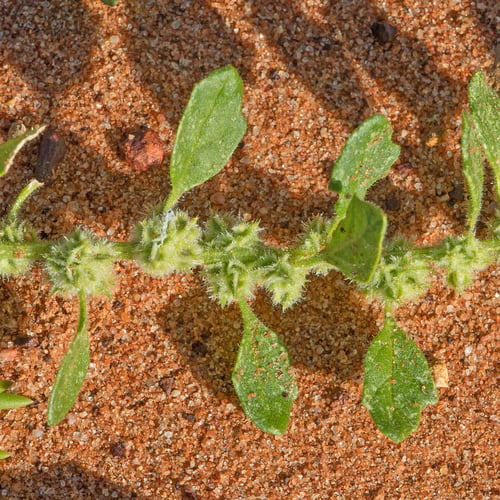
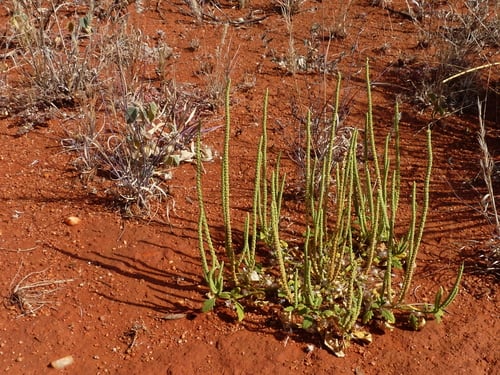
Amaranthus crassipes
Schltdl.
Clubfoot amaranth
iNaturalist· cc-by-nc-sa
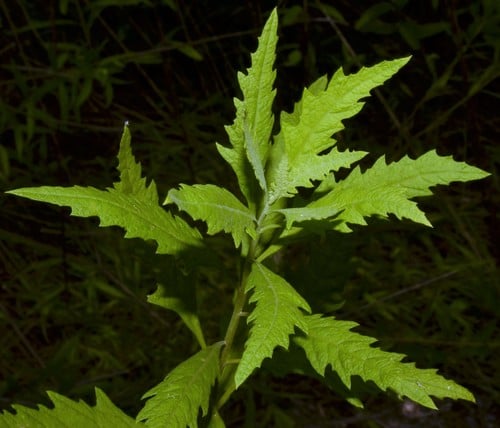
(c) Mateo Hernandez Schmidt, some rights reserved (CC BY-NC-SA), uploaded by Mateo Hernandez Schmidt
iNaturalist· cc-by-nc
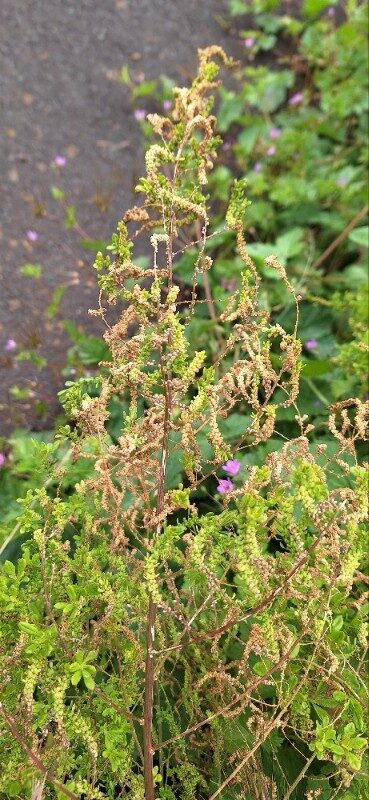
(c) Nate Hunt, some rights reserved (CC BY-NC)
iNaturalist· cc-by
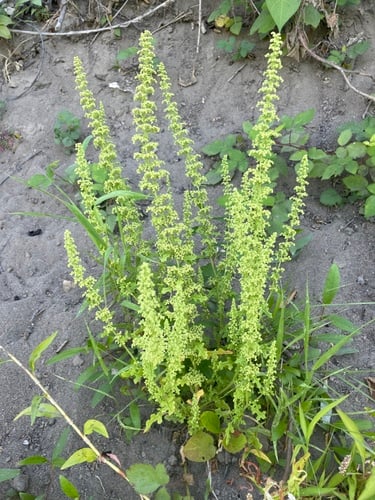
(c) Steve Matson, some rights reserved (CC BY)
Summary
Source: WikipediaAmaranthus crassipes, also known as spreading amaranth, is a glabrous annual plant that is both native and introduced in the United States. In the U.S., it is found in New Mexico, Arizona, Texas, Alabama, South Carolina, and Louisiana. It is also found in Mexico, the West Indies, and South America. The plant can grow up to two feet in height. It flowers in the summer and fall. It is usually found near wet habitats or disturbed areas. Two varieties of A. crassipes have been described: A. crassipes var. crassipes and A. crassipes var. warnockii. The major difference appears to be the leaf structure.
Description
A temperate to subtropical herb in the Amaranthaceae family.
This description is brief — help expand it
Edible Uses
The leaves are cooked and eaten.
Traditional Uses
The leaves are cooked and eaten.
This uses section is brief — help expand it
Distribution
It is a temperate to subtropical plant.
Where It Grows
Mexico, North America, South America, USA, Venezuela,
Also Known As
Bledo de clavo, Bledo manso, Spreading amaranth
References (2)
- Kermath, B. M., et al, 2014, Food Plants in the Americas: A survey of the domesticated, cultivated and wild plants used for Human food in North, Central and South America and the Caribbean. On line draft. p 51
- Kew Plants of the World onLine