Cimicifuga dahurica
(Turcz. ex Fisch. & C. A. Mey.) Maxim.
Xing an sheng ma
iNaturalist· cc-by-nc
(c) sergeyprokopenko, some rights reserved (CC BY-NC)
iNaturalist· cc-by-nc
(c) Valery Kambalin, some rights reserved (CC BY-NC)
iNaturalist· cc-by-nc
(c) Шильников Дмитрий Сергеевич, some rights reserved (CC BY-NC)
Summary
A perennial reaching 1.5 m tall by 0.8 m wide. Hardy to UK zone 5. Flowers August to September with seed ripening September to October. Hermaphroditic flowers adapted to light, medium, or heavy soils. Tolerates semi-shade in light woodland settings and prefers moist soil. Adapts to mildly acidic through basic soil pH.
Description
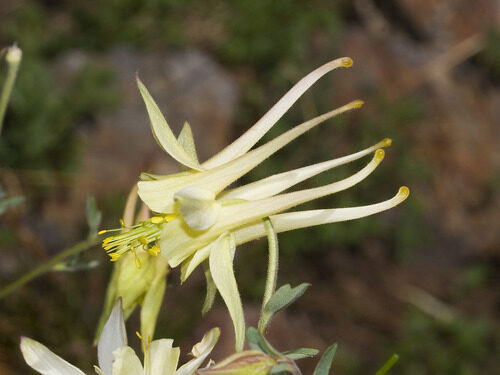
A herb. It keeps growing from year to year. It grows 2 m high. The stems are blackish. The leaves are much divided and have teeth along the edge. The flowers are fluffy and widely spaced. They are creamy white.
Edible Uses
Young leaves can be eaten cooked. Some caution is advised given the plant's noted toxicity.
Traditional Uses
CAUTION:
This uses section is brief — help expand it
Medicinal Uses
This plant is an anti-infective herb that reduces fever and relieves pain. The root is analgesic, antibacterial, antiviral, depurative, diaphoretic, diuretic, febrifuge, sedative, and tonic. It is used internally to treat coughs, colds, headaches, gum diseases, and feverish infections such as measles. The root is harvested in autumn and used fresh or dried. Use with caution given the plant's noted toxicity.
Distribution
It is a temperate plant. In northern China it grows in forest and grassland between 300-1,200 m above sea level.
Where It Grows
Asia, China, Japan, Korea, Mongolia, Siberia,
Propagation
Seed is best sown as soon as it is ripe in a cold frame, barely covered. Germination occurs in 1–12 months or longer at 15°C. Seed does not store well and quickly loses viability; stored seed may germinate better after 6–8 weeks of warm stratification at 15°C followed by 8 weeks of cold stratification. Prick out seedlings into individual pots when large enough and grow on in a frame through their first winter, then plant out in late spring or early summer. Divide in spring or autumn — larger clumps can go directly into permanent positions, while smaller clumps are best potted up and grown on in a cold frame until rooting well, then planted out in summer or the following spring.
Other Uses
None known.
Notes
There are about 18 Cimicifuga species.
References (4)
- Hwang, HS, et al, 2014, Distribution characteristics of plant in the Ungseokbong Mountain, Gyeongsangnam-do, Korea. Journal of Asia-Pacific Biodiversity. 7(2014) e164-e178
- Mem. Acad. Imp. Sci. St.-Petersbourg Divers Savans 9:28. 1859 (Prim. fl. amur.)
- Plants for a Future database, The Field, Penpol, Lostwithiel, Cornwall, PL22 0NG, UK. http://www.scs.leeds.ac.uk/pfaf/
- Slocum, P.D. & Robinson, P., 1999, Water Gardening. Water Lilies and Lotuses. Timber Press. p 113