Anemone blanda
Schott & Kotschy
iNaturalist· cc-by-nc
(c) Sami Tamson, some rights reserved (CC BY-NC)
iNaturalist· cc-by-nc
(c) Sami Tamson, some rights reserved (CC BY-NC)
iNaturalist· cc-by-nc
(c) Sami Tamson, some rights reserved (CC BY-NC)
Description
A herbaceous plant in the buttercup family (Ranunculaceae) found in temperate and Mediterranean climate regions.
This description is brief — help expand it
Edible Uses
The shoots are edible.
Medicinal Uses
Herbalists in the Middle Ages used A. blanda as treatment for gout and headaches. Due to their toxicity, they are no longer used as medications. The purple petals of the plant were used for dyeing purposes by boiling them to produce a light green color.
Known Hazards
It is considered to be poisonous if ingested in large quantities, and causes pain and irritation in the mouth. The plant can cause contact dermatitis by touching of the following poisonous parts of the plant: bark, flowers, fruits, leaves, roots, stems, and seeds. Some other symptoms of being poisoned are inflammation, blistering from contact with fresh sap, vomiting, and diarrhea.
Distribution
It is a temperate and Mediterranean climate plant.
Where It Grows
Albania, Europe, Turkey, Türkiye,
Synonyms
Also Known As
Daglalesi
References (1)
- Ertug, F, Yenen Bitkiler. Resimli Türkiye Florası -I- Flora of Turkey - Ethnobotany supplement
More from Ranunculaceae
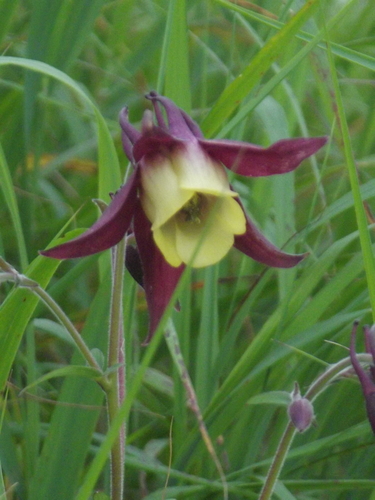
Aquilegia buergeriana
Yama-odamaki
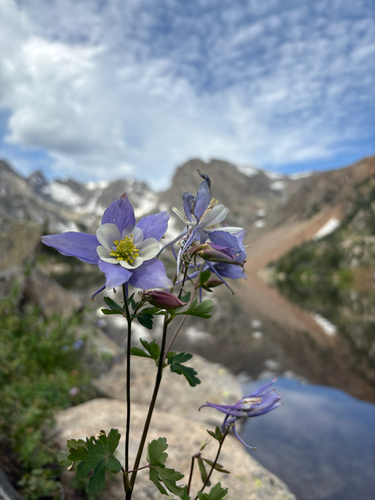
Aquilegia caerulea
Rocky mountain columbine
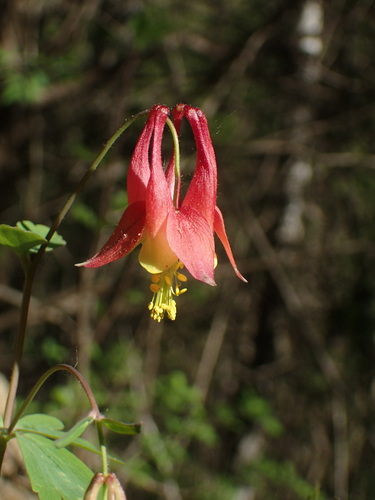
Aquilegia canadensis
Wild columbine, Fairy flower, Canada columbine, Meeting houses, Rock bells
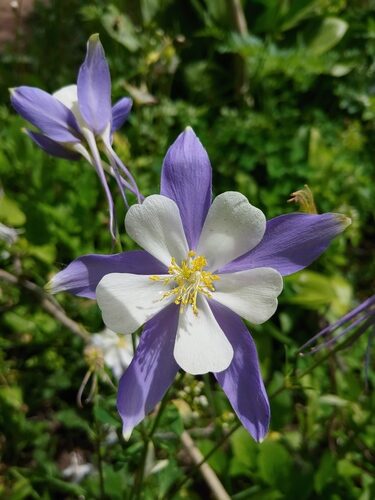
Aquilegia coerulea
Rocky Mountain Columbine
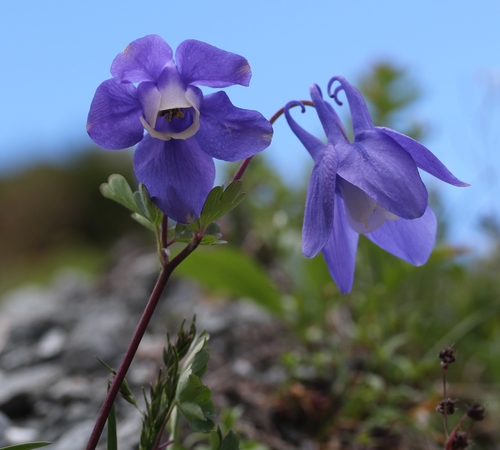
Aquilegia flabellata
Fan columbine, Fan-shaped Funnel Vegetable
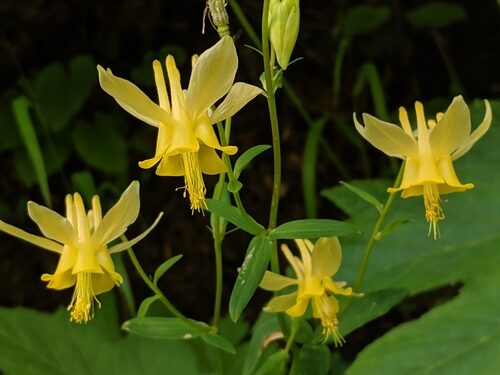
Aquilegia flavescens
Columbine, Yellow columbine